

Building Homes, Hope, Justice for 600,000+ families Across APAC
THE Asia-Pacific region is home to over 60% of the world’s population and many of its communities are on the frontlines of climate change.
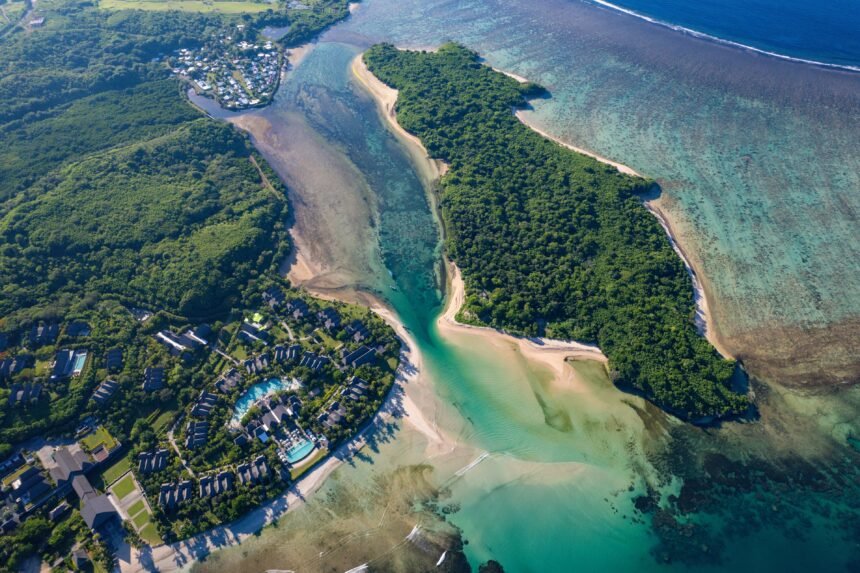
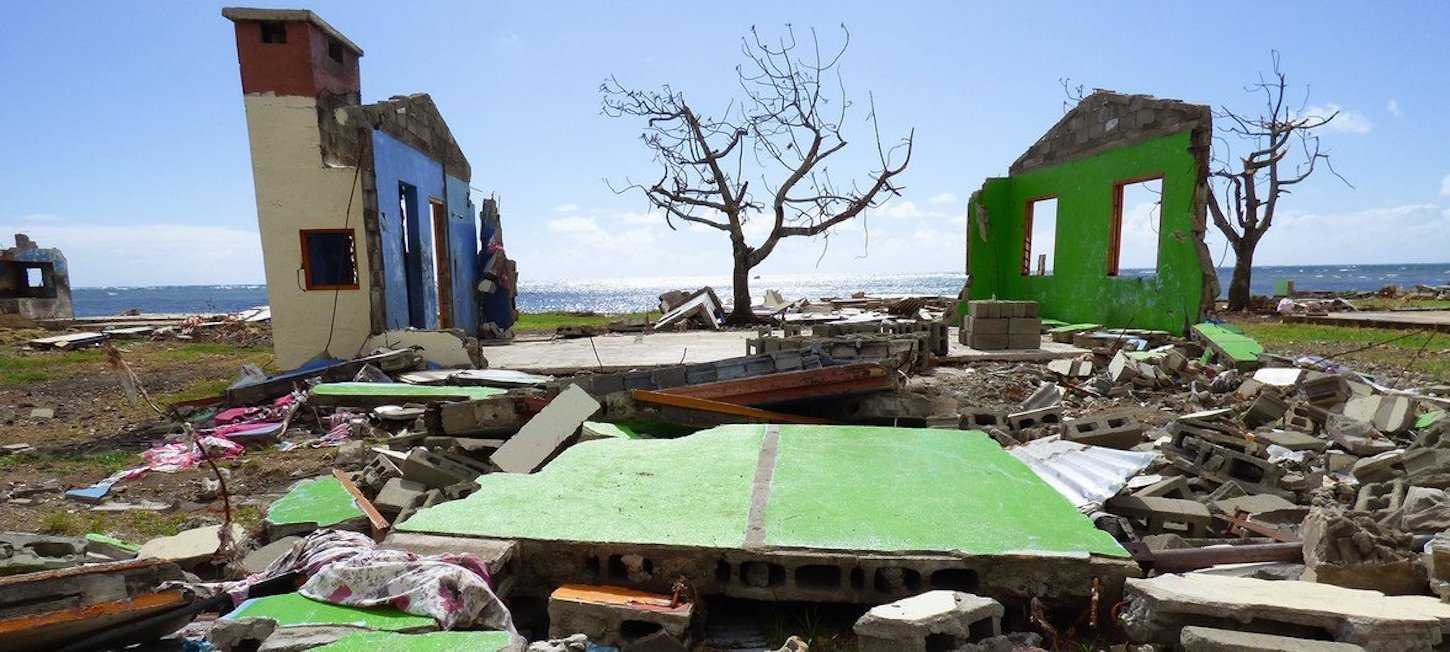
Cyclone Winston tore through Fiji in 2016 and remains the most powerful storm ever recorded in the Southern Hemisphere. It didn’t just destroy homes, it shattered communities, displaced thousands, and left families sleeping under tarps and tin sheets for months.
According to the United Nations, Cyclone Winston left about 14,000 people sheltered in evacuation centres. But within weeks, teams from Habitat for Humanity were on the ground, not just distributing emergency shelter kits, but working alongside villagers to rebuild with resilience in mind. This model has defined Habitat’s work across the Asia-Pacific region for more than four decades: community-driven, dignity-centred, and built to last.
Climate Readiness Program
Working with Habitat New Zealand and local partners, the organisation launched a Climate Readiness Program designed to help communities adapt their homes and infrastructure before the next disaster strikes.
“We’re not waiting for the next cyclone,” says Fijian community leader involved in the program.
“We are rebuilding smarter now, using materials that can withstand high winds, raising foundations to avoid flooding, and training our young people to maintain these homes for decades to come.”
Habitat For Humanity has become one of the world’s most influential housing movements.
Since its inception in 1976 in rural Georgia USA, Habitat for Humanity has evolved from a modest Christian housing cooperative into one of the world’s most influential housing movements.
Celebrating its 60-year anniversary, Habitat for Humanity now operates in over 70 countries.
The organisation has helped more than 62 million people access safe and decent housing. But numbers alone don’t capture the full story.
What makes Habitat unique is its refusal to treat housing as charity. Instead, it treats it as a partnership, offering zero-interest loans that homeowners repay over time, with those funds recycled to help the next family. It’s a model that respects human dignity while building financial sustainability into the very foundation of each home.
A Regional Footprint Built On Trust
Habitat’s presence in the Asia-Pacific began quietly in 1983 with a pilot project in Khammam, India. Over the next four decades, that single experiment grew into a sprawling network of national affiliates, disaster response teams, and grassroots partnerships spanning Bangladesh to the Solomon Islands.
In fiscal year 2025 alone, Habitat served 1.25 million people across the region through direct housing services, including new construction, home repairs, incremental building projects, and market development initiatives aimed at improving access to housing finance.
The scale is staggering, but so is the intimacy. In Vietnam, where Habitat has served 152,000 individuals since its inception, the organisation has helped 19,000 households improve their living conditions through everything from climate-resilient upgrades to sanitation infrastructure.
In Bangladesh, Habitat teams have focused on urban slum upgrading in Dhaka, where thousands of residents now have access to clean water, functioning toilets, and drainage systems that reduce flooding during monsoon season.
Storm‑Proofing Homes in Rural Vietnam
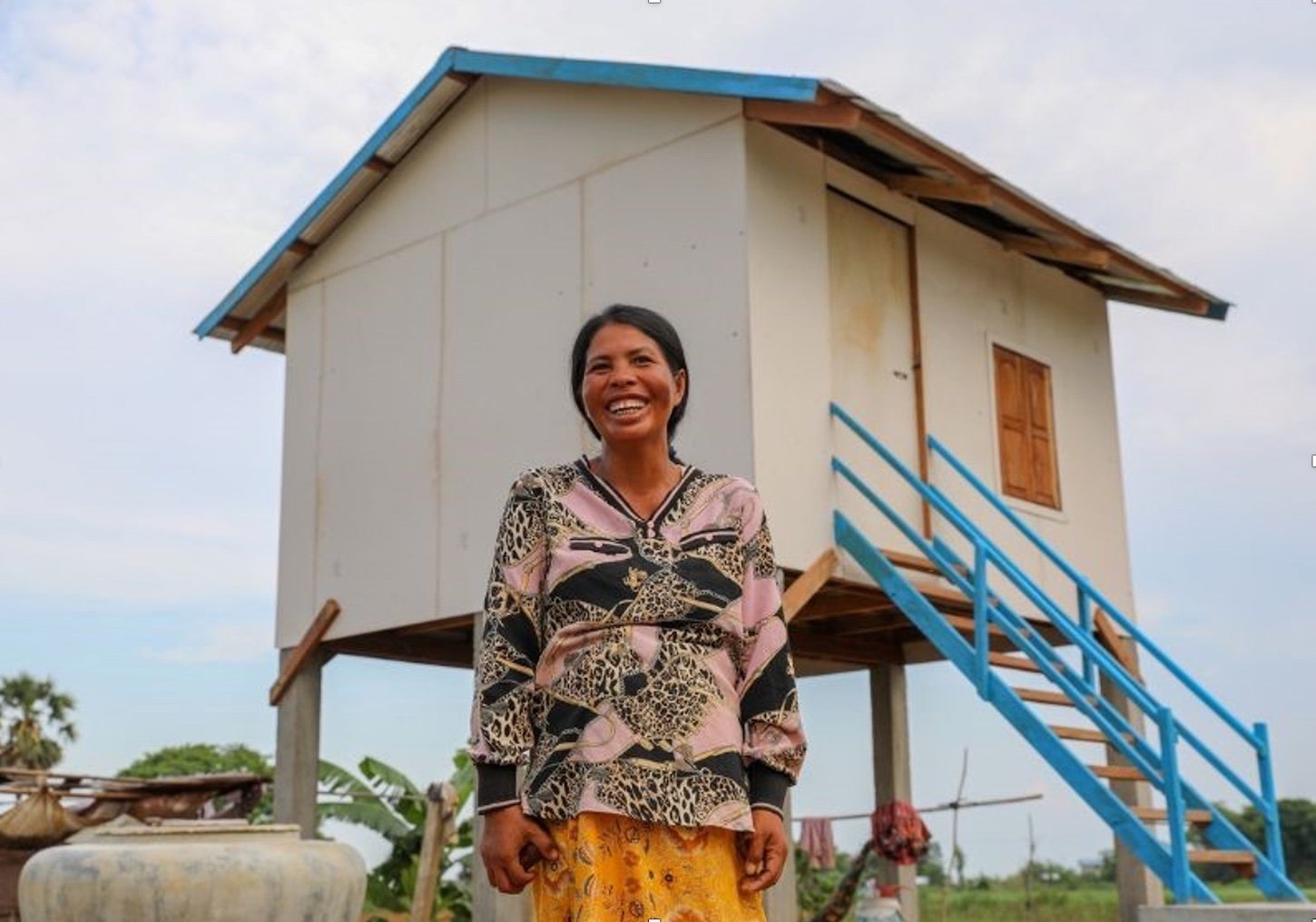
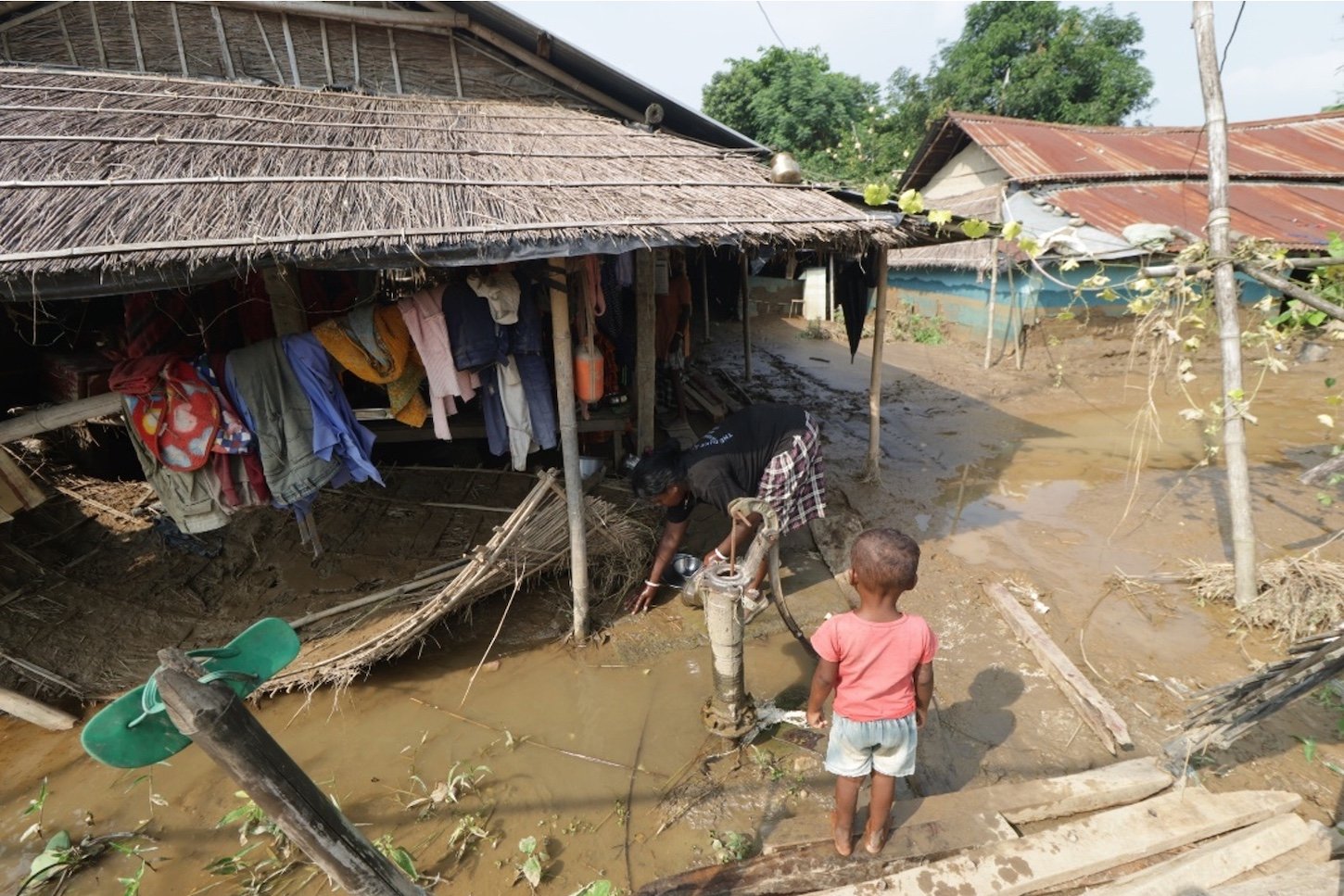
In Vietnam’s remote highlands, many traditional houses were simply not designed for the harsher weather now arriving with climate change. Leaky roofs, unstable walls and poor sanitation left families vulnerable to storms, floods and health risks.
Through an initiative with Habitat for Humanity Vietnam, villagers like Mr. Phang A De, a member of the H’Mong ethnic group, saw their old, dilapidated home transformed into a climate‑resilient shelter that could withstand seasonal storms and protect the family’s health.
“This new home is not just a building,” Mr. De said. “It is protection for my children’s health and our peace of mind.”
The project incorporated locally appropriate materials and practical design elements to reduce storm and dampness impacts, while also adding proper sanitation facilities — crucial elements for long‑term resilience and dignity.
When Disaster Strikes, Habitat For Humanity Responds
The Asia-Pacific region is no stranger to natural disasters.
Earthquakes, tsunamis, cyclones, and floods have devastated communities repeatedly over the past two decades.
Habitat’s disaster response work has become a cornerstone of its regional strategy, combining immediate relief with long-term resilience building.
After the 2004 Indian Ocean tsunami, Habitat mobilised across multiple countries to provide shelter and recovery support. Following the 2008 Sichuan earthquake in China and the 2015 Nepal earthquake, teams not only delivered emergency housing but training in disaster risk reduction, teaching communities how to build back safer.
Youth-Led Housing Innovation
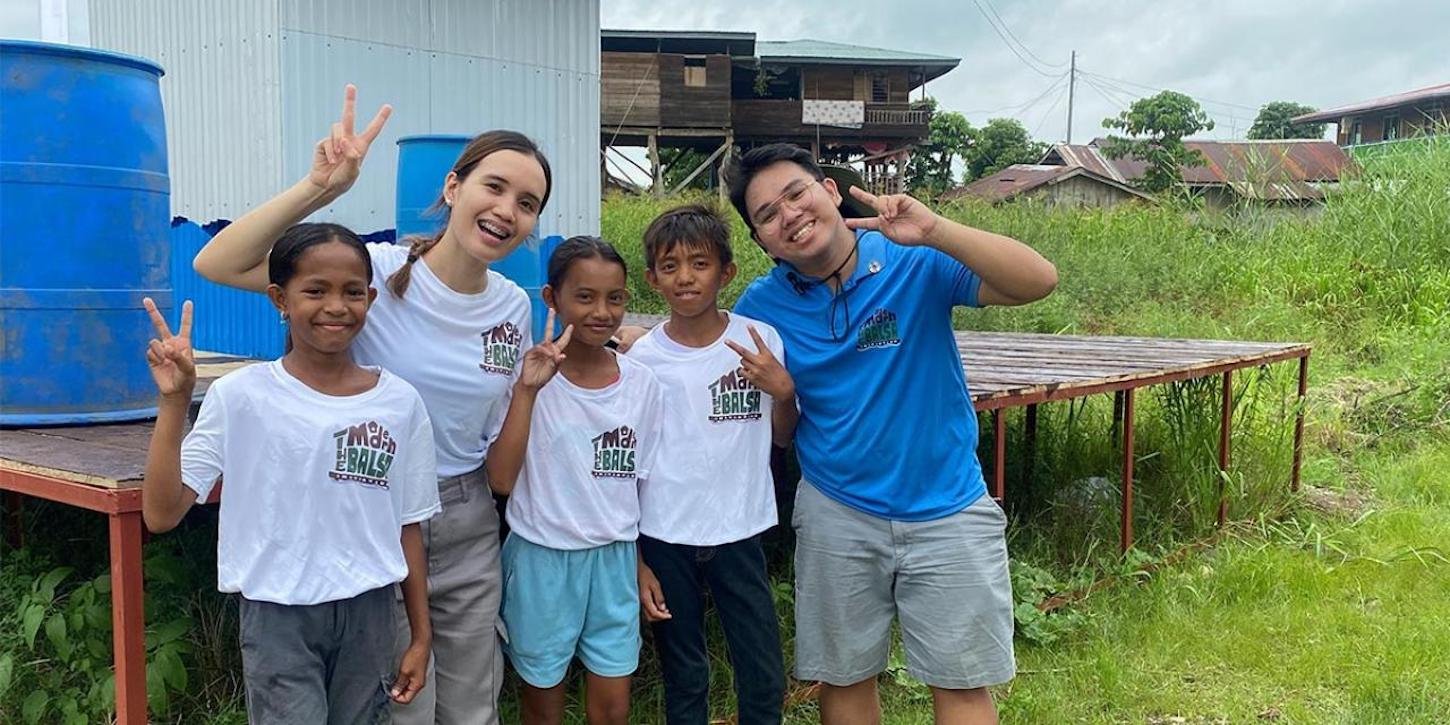
One of Habitat’s most exciting recent initiatives is its investment in youth-led housing innovation.
Through the Youth Solutions Grants program, young leaders across the Asia-Pacific receive funding and support to develop creative solutions to local housing challenges.
Projects range from earthquake retrofit workshops in Nepal to ventilation blocks made from recycled plastics in Indonesia. In 2025, the Habitat Youth Assembly in Cebu, Philippines, brought together innovators from across the region and awarded 10 projects grants of up to $4000 each. These initiatives are expected to benefit approximately 4000 people across ten communities by the end of the year.
“Habitat doesn’t just give us money,” a Habitat Youth Leader says. “They connected us with mentors, other youth leaders, and technical experts. They believed in our ideas when no one else did. Now we’re training entire villages on how to reinforce their homes with local materials.”
The organisation is also pioneering sustainable building practices across the region. In the Philippines, Habitat is promoting bamboo-based construction as an affordable, environmentally sustainable alternative to concrete and timber. Bamboo grows quickly, sequesters carbon, and when properly treated, is incredibly strong. Habitat is working with local governments to update building codes to recognise bamboo as a legitimate construction material and training workers in bamboo building techniques.
In Cilegon, Indonesia, Habitat For Humanity partnered with POSCO and local volunteers in August 2025 to construct six eco-friendly homes featuring recycled plastic eco-bricks, rainwater harvesting systems, and improved sanitation.
ALSO CHECK OUT WHERE DARKNESS FALLS: REWRITING THE STORY OF ENERGY POVERTY
Australia’s Dual Mission, Local and Global
Habitat for Humanity Australia operates with a dual mandate, addressing housing insecurity both domestically and across the broader Asia-Pacific region.
In the 2024-2025 fiscal year, Habitat Australia mobilised over 2000 volunteers who transformed more than 160 properties for individuals and families facing housing insecurity.
Through the Brush with Kindness program, volunteers provide everything from fresh paint and minor repairs to complete yard transformations, helping vulnerable households maintain dignity and safety in their homes.
Habitat Women a Powerful Model in Construction
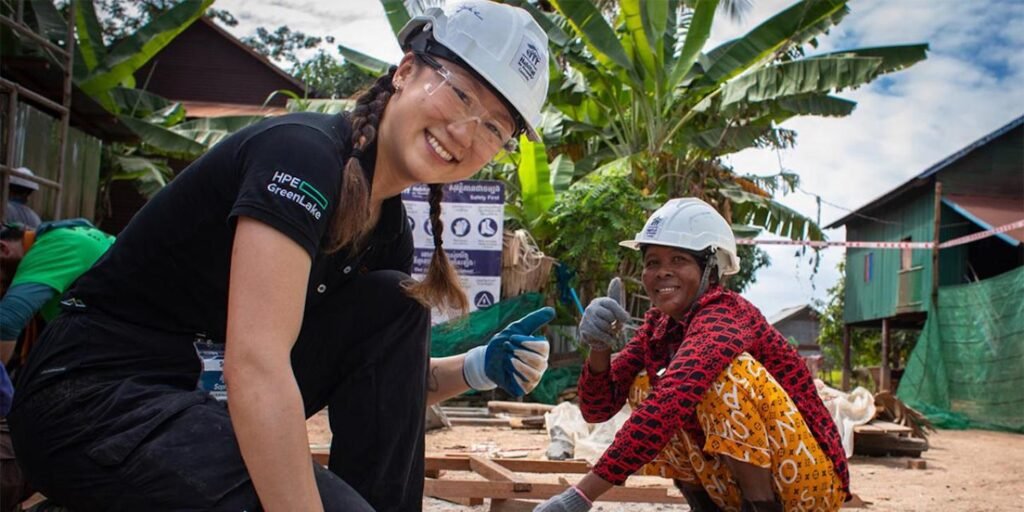
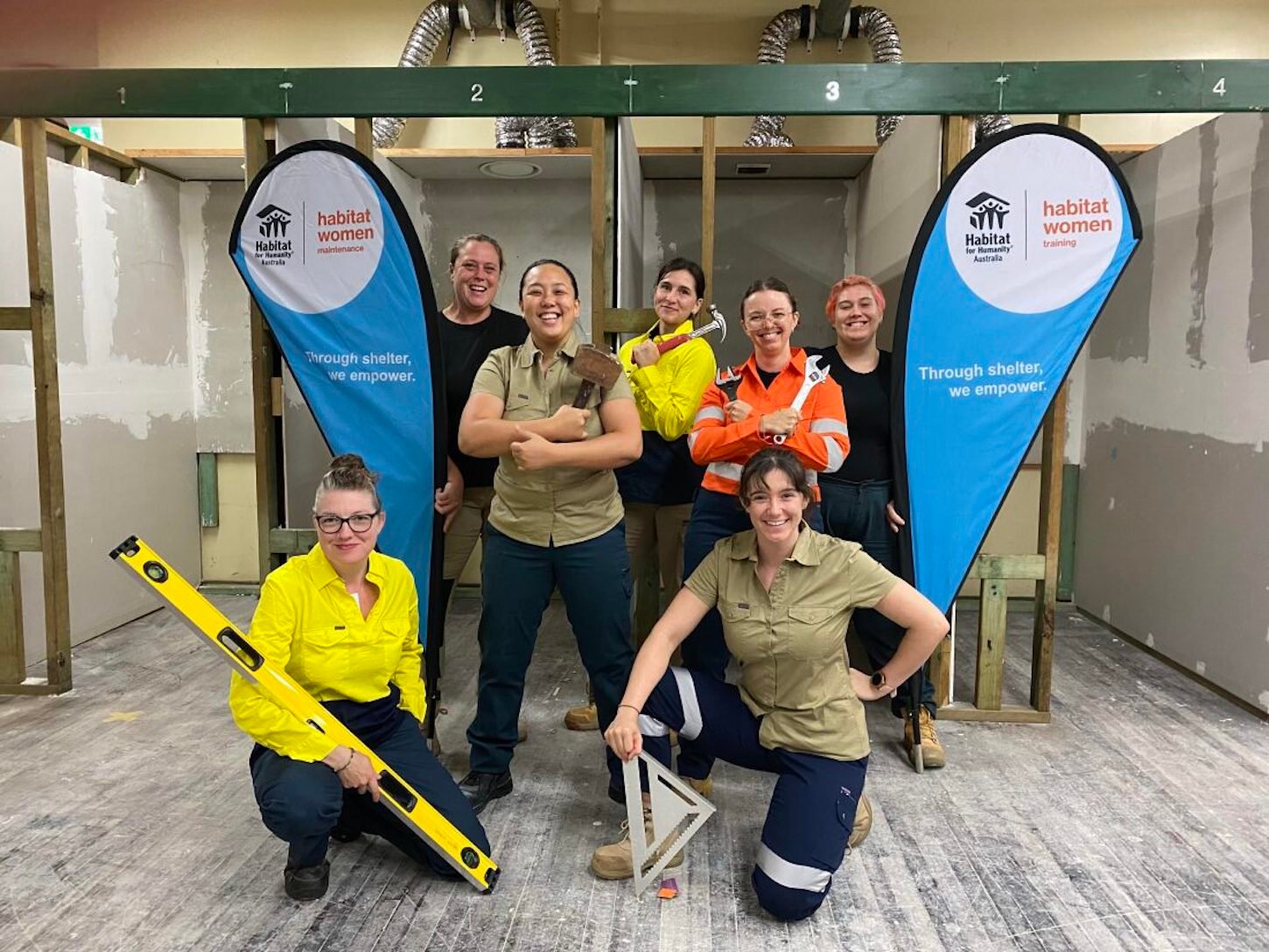
The Habitat Women program, developed in partnership with Holcim Australia, has become a powerful model for gender equity in the construction sector.
The program provides skills training and employment opportunities for women in building and maintenance roles, creating a social enterprise that delivers maintenance services for vulnerable households while creating jobs. In the past year, 72 women received training or employment through the program.
Beyond Australia’s borders, Habitat Australia funds and coordinates significant international work. The Adaptation for All project in Vietnam is building climate-resilient housing in the provinces of Lao Cai and Kien Giang, where rising temperatures and extreme weather threaten livelihoods.
In the Solomon Islands and Vanuatu, Habitat is conducting housing value chain assessments to inform national policy and building codes, ensuring that future housing development is both sustainable and culturally appropriate.
Compelling Story of Scale and Commitment
Statistics can sometimes obscure the human stories behind them, but in Habitat’s case, the numbers tell a compelling story of scale and commitment:
2022 – 1.25 million people served across Asia and the Pacific in fiscal year 2025
2022 – 10,250 people reached through Habitat Australia’s domestic and international programs
2022 – 62 new homes built, and 298 homes improved by Habitat Australia and partners
2022 – 2508 volunteers contributed to construction, repairs, and community activities
Each of these numbers represents families who now have a stable foundation from which to build better lives. They represent children who can do homework at a proper table, parents who can store food safely, and elderly residents who no longer fear their roofs collapsing during storms.
Looking Forward: Housing as a Human Right
As climate change intensifies and urbanisation accelerates across Asia and the Pacific, the need for safe, affordable housing has never been more urgent.
Habitat for Humanity’s model offers a compelling alternative to both market-driven development and traditional charity. By prioritising community participation, environmental sustainability, and economic dignity, Habitat is proving that housing can be both a human right and a sustainable investment.
Housing is never just about four walls and a roof. It’s about water access, sanitation, climate resilience, economic opportunity, and community strength. When you get housing right, you create a foundation for everything else. Health improves. Children stay in school. Families can save money. Communities become more resilient.
From the slums of Dhaka to the cyclone-battered islands of Fiji, from earthquake zones in Nepal to fire-ravaged communities in Australia, Habitat for Humanity continues to build more than houses. It builds hope, dignity, and futures. And in a region facing unprecedented environmental and economic challenges, that work has never been more vital.
Hook up with Habitat For Humanity for volunteering throughout Australia, Asia and the Pacific.
Future Now Green News is a forward-thinking media platform dedicated to spotlighting the people, projects, and innovations driving the green & blue economy across Australia, Asia and Pacific region. Our mission is to inform, inspire, and connect changemakers through thought leadership and solutions-focused storytelling in sustainability, clean energy, regenerative tourism, climate action, and future-ready industries.