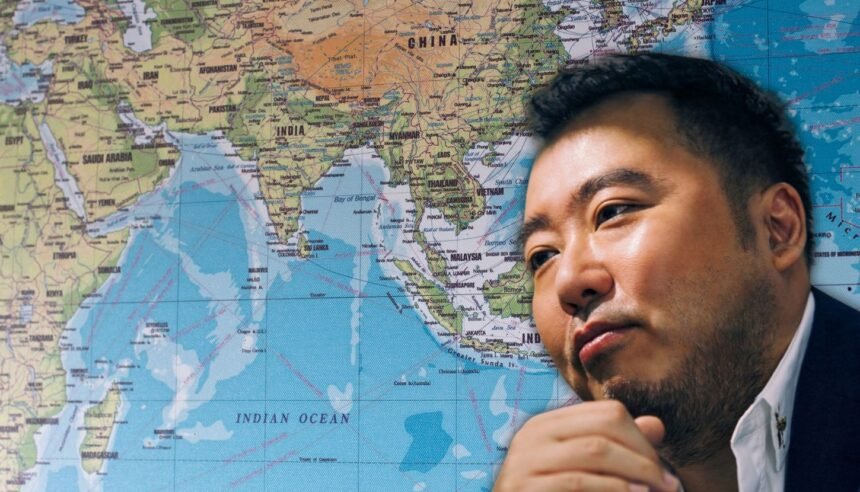

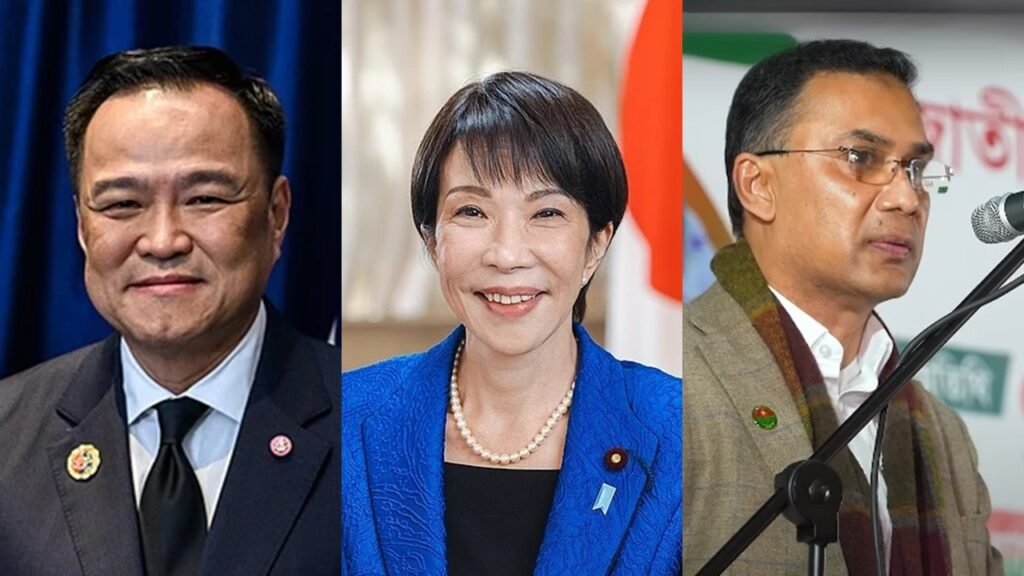

ACROSS Asia, the past two years have witnessed a dramatic reshaping of political landscapes, from student-led revolutions toppling decades-old regimes to historic firsts for female leadership.
Three nations of Bangladesh, Thailand, and Japan, tell strikingly different stories of democracy’s fragility and resilience in the world’s most populous continent. What do Australian business need to know before going out and forging new business partnerships within the Asian green economy?
Thailand: Democracy Blocked at the Ballot Box in 2023 – to today’s win in 2026

This month’s Thailand snap election on February 8 resulted in a stunning victory for Bhumjaithai Party, lead by Prime Minister Anutin Charnavirakul, with projections showing 191 seats in the 500-seat parliament—close to triple their 2023 showing.
This win is a sign of strong nationalist sentiment among the Thai electorate that is likely to carry serious implications for Cambodia as it navigates a territorial dispute with Thailand.
Bhumjaithai has blocked any loosening of Thailand’s harsh anti-royal-criticism laws, a protected topic in Thai politics. The victory serves Thailand’s royalist power brokers, who’ve used coups and courts to remove six prime ministers since 2000, including billionaire Thaksin Shinawatra.
Al Jazeera’s Tony Cheng, reporting from Bangkok said: “Thai voters wanted [was] economic growth. This is a country that’s been in economic stagnation for nearly two decades now, while it’s surrounded by countries seeing huge growth: Indonesia, the Philippines, Vietnam – all growing between 5 and 6 percent. Thailand is barely scraping along at 1.5 percent GDP growth.”
On May 14, 2023, Thai voters delivered what seemed like an unambiguous verdict: they wanted change. The progressive Move Forward Party, led by charismatic Harvard-educated Pita Limjaroenrat, won 151 seats—the most of any party. With coalition partner Pheu Thai, they secured 312 of 500 seats in the lower house.
But Thailand’s democracy had a built-in veto: 250 military-appointed senators who vote alongside elected MPs to choose the prime minister. They blocked Pita’s appointment and fifteen minutes before a second vote, and a court order forced him to walk out of parliament.
I won the election, and I formed a coalition. The coalition I formed, we got 312 out of 500 votes of elected MPs,” “But then the appointed senators blocked my prime minister’s election.” ~ Pita recounted at Stanford University (February 2025)
The betrayal stung Move Forward supporters.
“This is the moment, change is coming,” MP Rangsiman Rome had proclaimed during the campaign, wearing the party’s signature orange.
That moment never arrived. Voter turnout, which hit 76% in 2023, plummeted to 55% in a January 2025 provincial election—a measure of growing disillusionment with a system designed to frustrate the popular will.
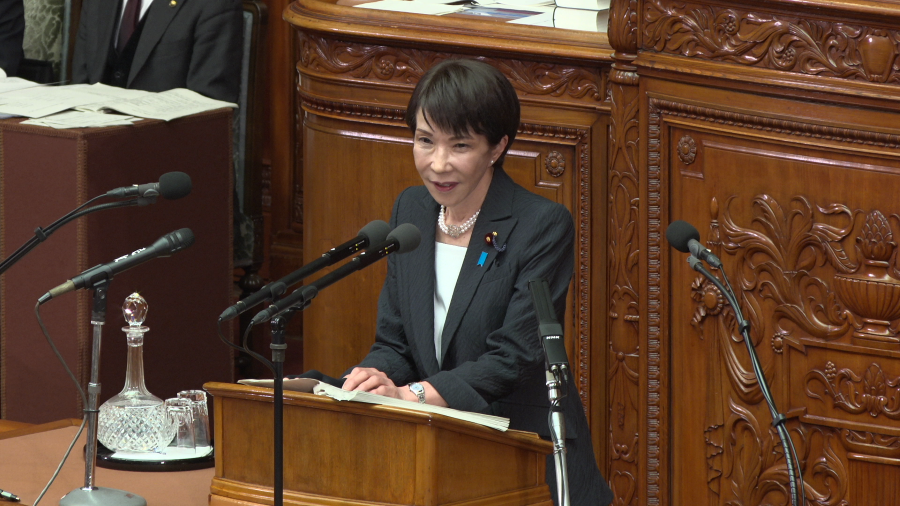
Japan: Takaichi’s Historic Landslide – a win for Indo-Pacific Security
Japan made history twice on February 8: electing its first female prime minister in October 2025, and now giving Sanae Takaichi’s Liberal Democratic Party (LDP) its biggest victory since 1955. The LDP secured 316 of 465 lower house seats—a supermajority that stunned even party insiders.
“We have consistently stressed the importance of responsible and proactive fiscal policy,” Takaichi told reporters after the landslide became clear. Her snap election called just four months after taking office, was a high-stakes gamble that paid off spectacularly.
Takaichi inherited a minority government from her predecessor Shigeru Ishiba, who resigned after consecutive election losses. Ishiba had reflected bitterly on “the gap between what the people are thinking and what the party is doing.” Takaichi capitalised on her early popularity, promising to “work, work, work” on behalf of the country while leveraging a strong social media campaign that resonated with younger voters.
Her victory carries foreign policy implications. Shortly after taking office, Takaichi made waves by stating Japan might respond to a Taiwan invasion, noting it could trigger “collective self-defence and a survival-threatening situation”.
As Jeffrey Hall of Kanda University noted, many of the LDP’s new victors are effectively Takaichi’s “children” who will “look to her for protection”.
Yet her historic rise comes with controversy.
Despite being Japan’s first female PM, Takaichi opposes same-sex marriage, supports male-only imperial succession, and resists allowing married couples to have different surnames — a practice she claims “may destroy the social structure based on family units.”
Still, voters trudged through record winter snowfall to deliver her a mandate.
“It feels like she’s creating a sense of direction,” one Tokyo resident observed, “like the whole country pulling together and moving forward.”
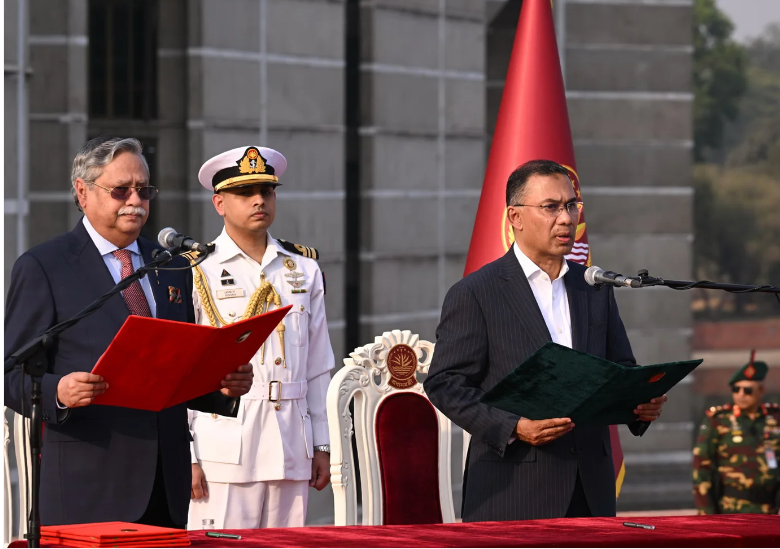
Bangladesh election win, questions remain
Whether Bangladesh can build genuine democracy from revolution’s ashes remains the defining question of 2026.
After months of intense political turmoil, Bangladesh has voted for a reset. The 2024 mass uprising toppled long-time premier Sheikh Hasina and ended the Awami League’s autocratic grip on power.
In the 12 February 2026 general election, the Bangladesh Nationalist Party (BNP) secured a decisive two-thirds majority.
Prime Minister-elect Tarique Rahman — the long-exiled son of former prime minister Khaleda Zia — now returns to lead the country.
The result brings to a close 18 months of interim government rule under Nobel laureate Muhammad Yunus (read more on Yunus succession to power in FNGN 2024 coverage).
It marks a dramatic political reset, aimed at restoring stability and addressing governance failures, yet questions remain over democratic norms, institutional strength, and the scale of reform required.
Madam Sheikh Hasina’s Awami League was barred from campaigning. With previous 15-year authoritarian grip on Bangladesh, in November 2025, a special tribunal in Dhaka convicted her in absentia and sentenced her to death on charges of crimes against humanity related to her government’s 2024 crackdown on protests, though India has not extradited her from New Delhi where she lives in exile.
The polls were the first since Hasina’s ouster, featured a roughly 60 % turnout – with more than 127 million people eligible to vote in the election, making it the “biggest democratic exercise of the year” with 1,981 candidates will be contesting for the 300 seats.
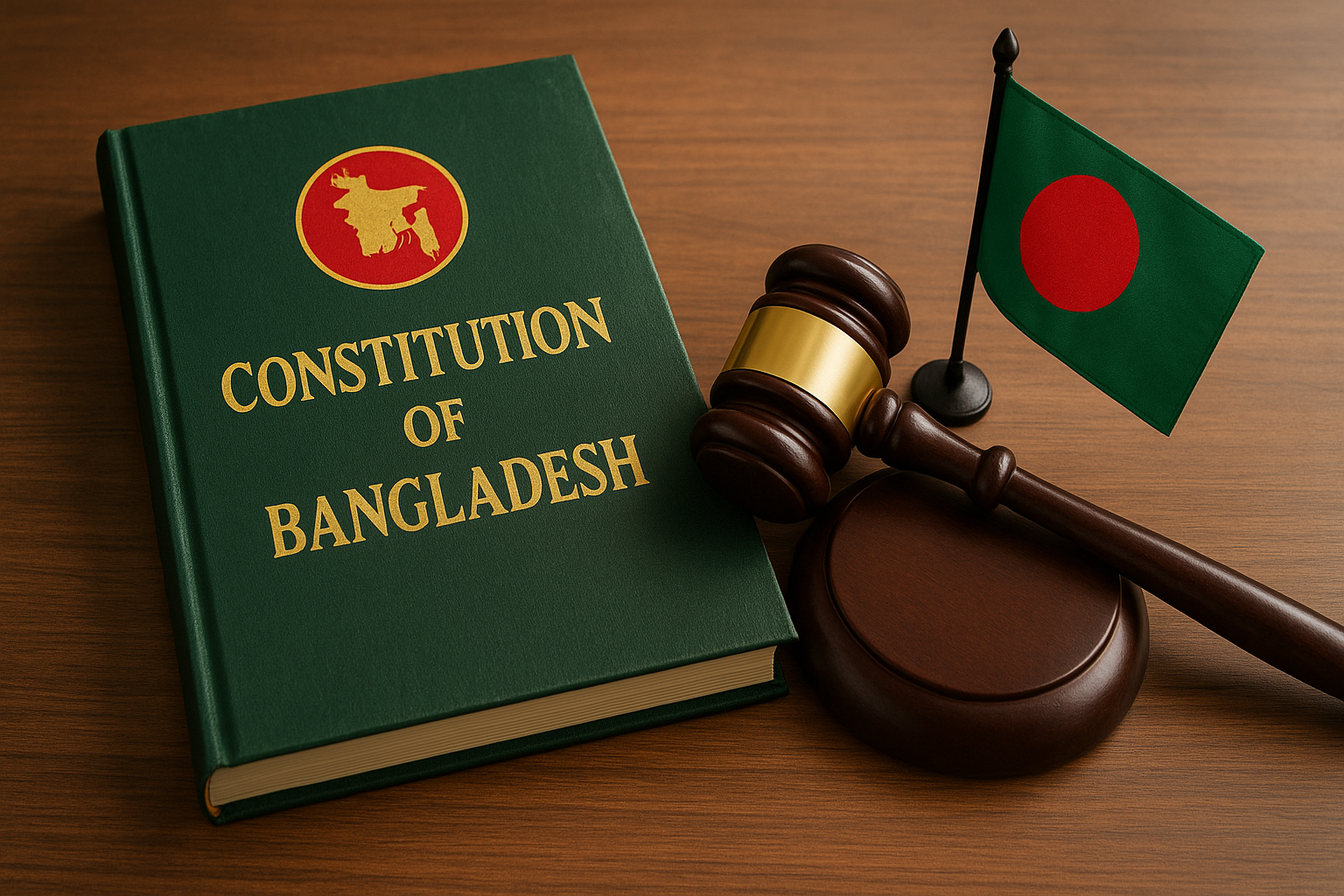
Opportunities for Australia-Bangladesh in renewable energy deployment and capacity building.
Australia’s industry bodies and clean-energy firms are partnering with Bangladeshi counterparts to accelerate solar and renewable rollout through the Bangladesh Sustainable and Renewable Energy Association (BSREA) and Australia’s Smart Energy Council who signed an MoU to cooperate on solar training, certification, national technical standards, battery technologies with of end-of-life management for solar and battery systems, project deployment and knowledge exchange, tying Australian expertise to Bangladesh’s renewable ambitions. Climate finance and green investment frameworks through Bangladesh Economic Engagement Program (with World Bank/IFC and Australian backing).
The Asian Democratic Paradox
These three elections reveal democracy’s precarious state across Asia. Bangladesh’s Gen Z revolution proved that even entrenched autocrats can fall when youth mobilise — but building democracy from upheaval remains uncertain. Thailand’s experience shows that winning elections doesn’t guarantee governing when unelected powers hold veto authority. Japan demonstrates that democratic systems can produce historic change while maintaining conservative continuity. Cambodia reminds us that elections without genuine competition are merely theatrical.
The common thread? Young people demanding better. From Dhaka’s streets to Bangkok’s polling stations, and Tokyo’s ballot boxes, a generation is challenging the old order. Sometimes they succeed spectacularly. Sometimes they’re blocked by military-appointed senators or dynastic succession. Sometimes they topple governments only to face the harder work of building alternatives.
A great training opportunity for founders
Australians venturing into Asia to explore business opportunities — especially in the surge of green technology partnerships — must understand the economic and political landscape, along with cross-cultural business protocols. The FNGN CLIMAX© MEDIA COMMS ACADEMY programs provide timely courses designed to build confidence and skills for successfully navigating these complex business environments.
Check out and signup for any of our 6 training programs: FNGN CLIMAX©MEDIA COMMS ACADEMY
Future Now Green News is a forward-thinking media platform dedicated to spotlighting the people, projects, and innovations driving the green & blue economy across Australia, Asia and Pacific region. Our mission is to inform, inspire, and connect changemakers through thought leadership and solutions-focused storytelling in sustainability, clean energy, regenerative tourism, climate action, and future-ready industries.