


WHILE Australia has successfully rebuilt China access after recent trade disputes, the new standards framework gives China enhanced tools to restrict market access through technical and biosecurity measures. Australian exporters must invest in understanding and meeting China’s evolving standards while simultaneously pursuing the government’s trade diversification strategy to reduce dependency on this critical but volatile market.
Beijing is also promoting its own agricultural brands globally, meaning Australian exporters will face new competition from PRC brands in third markets, particularly in Belt and Road countries where China is promoting its certification standards.
Beijing is transforming from a global rule-taker to a rule-maker in agriculture, wielding stringent standards as both market gatekeepers and diplomatic tools
Strategic Trade Framework
Three legislative pillars now anchor China’s agricultural statecraft:
> Foreign trade law amendments enable swift retaliatory measures through anti-dumping probes and countervailing duties.
> Export control rules restrict strategic farm goods like fertilizer under a “domestic first, moderate export” policy.
> Proposed customs law changes would streamline mechanisms to block threatening imports while fast-tracking strategic goods.
“Beijing is treating every shipment, standard, and payment as carrying strategic weight, moving farm trade into the realm of economic statecraft,” according to policy analysts.
Tightening Market Access
New inspection and quarantine regulations rolled out between May and October 2025 create multiple friction points. From June 2026, overseas food manufacturers must navigate a dynamic registration system with expanded revocation grounds, making market access conditional and revocable.
Starting December 15, 2025, all import declarations require official PRC registration numbers. Additional rules on plant materials, feed, fresh fruit, and GMO products create what experts describe as asymmetric compliance burdens on foreign firms.
Green Standards Push
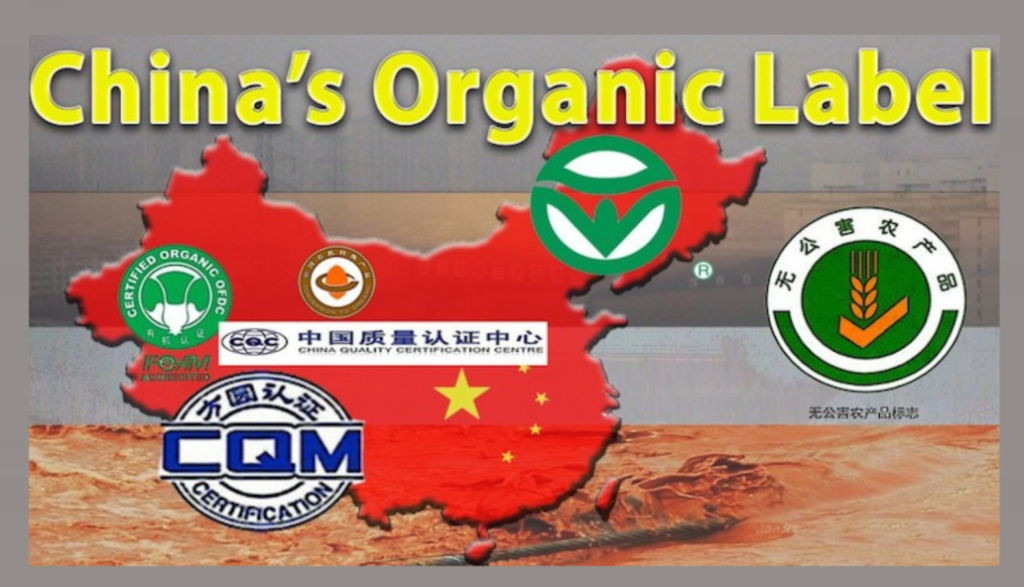
Organic Product Certification Implementation Rules taking effect January 1, 2026, mandate digital traceability with all sales certificates uploaded to a national system. These standards don’t automatically align with EU or USDA organic labels.

Qu Dongyu, FAO Director-General and former Chinese Vice-Minister of Agriculture, frames this as globalizing Chinese agricultural brands. He argues Beijing is “positioning its own framework as an alternative in global agricultural trade” while preserving Chinese characteristics.
Export Ambitions
Beijing aims to shift from bulk commodity seller to high-value brand supplier. New guidelines boost farm brands through green, organic, and geographically-marked goods certifications. A mandatory national traceability system launched in March 2025 provides the foundation.
“PRC food security must adhere to domestic production as the cornerstone,” emphasizes Ye Xingqing, Director-General of the State Council’s Rural Economy Department. Import diversification, he notes, reinforces rather than replaces domestic control.
Beijing is promoting its inspection standards and certification in Belt and Road countries, allowing PRC-certified “green food” and organic products to gain acceptance in new markets.
Strategic Implications
Zhang Yesui, former Vice Foreign Minister and NPC Foreign Affairs Committee Chairman, describes the upgraded regime as securing “Beijing’s strategic initiative amid an ever more complex global environment.”
Zhang argues that Beijing’s tougher inspection and quarantine regime is designed to harden national biosecurity and protect economic sovereignty. The 2025 rules enforce end-to-end traceability and intelligent oversight, bringing China into line with global food-safety standards while cutting exposure to external risk.
International suppliers face continuous adaptation costs with minimal advance notice. The message is clear: global exporters must comply with Beijing’s terms or risk losing access to the world’s largest agricultural market—while simultaneously facing new competition from Chinese brands in third markets.
To Learn more on the new China food Certification regulations The People’s Republic of China on the Release of the New Version Announcement of the Implementation Rules for Organic Product Certification About
Future Now Green News is a forward-thinking media platform dedicated to spotlighting the people, projects, and innovations driving the green & blue economy across Australia, Asia and Pacific regions. Our mission is to inform, inspire, and connect changemakers through thought leadership and solutions-focused storytelling in sustainability, clean energy, regenerative tourism, climate action, and future-ready industries.