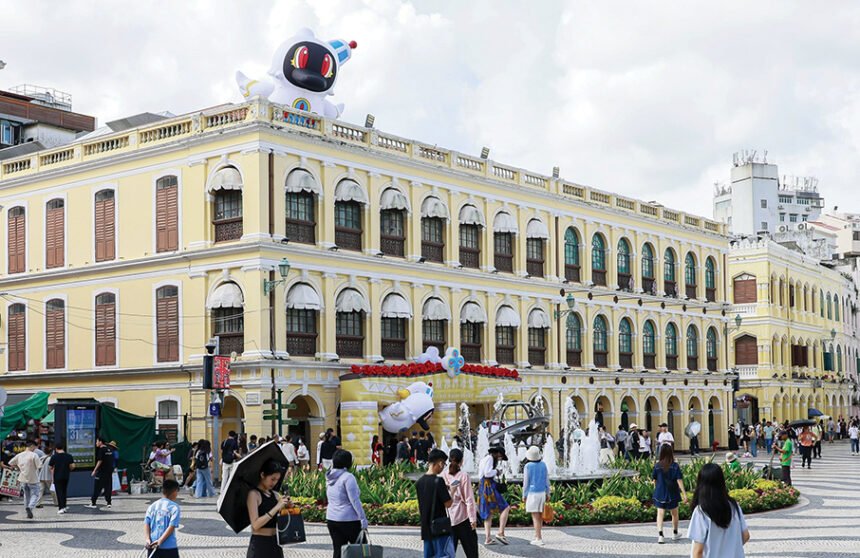


The World’s Largest Migration: 9.5 billion Trips and Counting
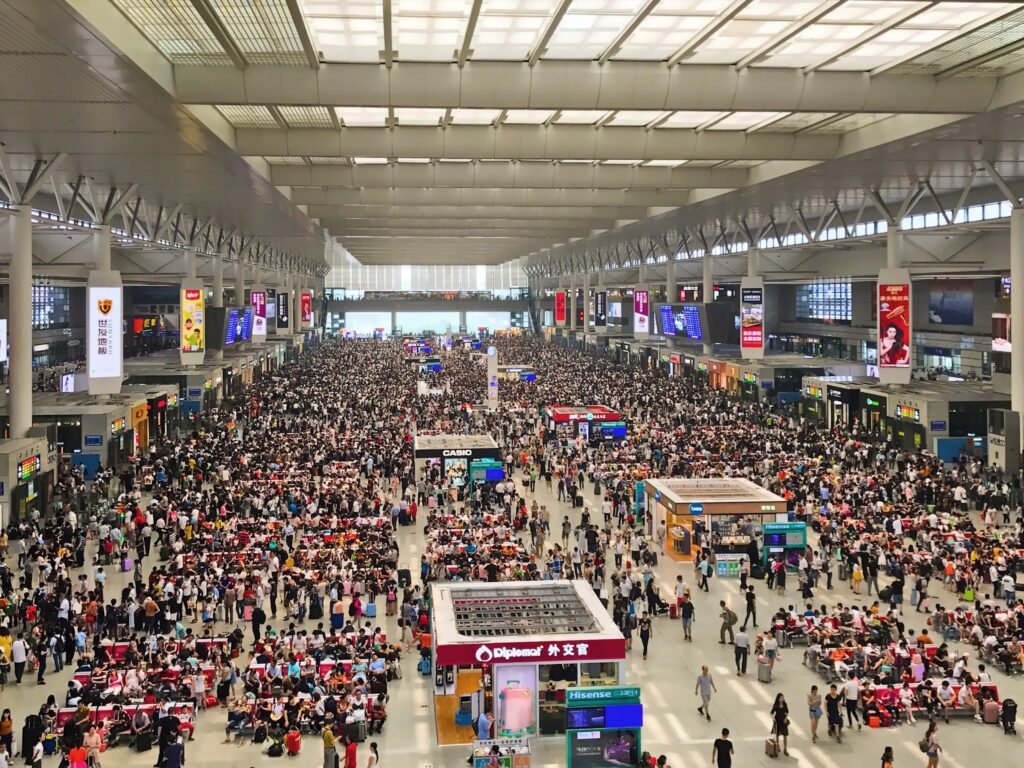
EVERY year, planet Earth witnesses a phenomenon so massive it could be visible from space—if only astronauts were looking in the right direction. China’s 春节, Chūnjié or Spring Festival, and 春运 Chunyun the travel rush, transforms the nation into a choreographed exodus of 9.5 billion individual journeys spanning over just 40 days. That is more than the entire global population traveling multiple times, as hundreds of millions of workers, students, and families converge on their hometowns for the Lunar New Year.
This year’s migration culminates with the Chinese zodiac lunar festivities which begin on February 17 to usher in the Year of the Red Fire Horse – an event that occurs just once every 60 years. In Chinese tradition, the horse symbolises strength, speed, freedom, and unyielding perseverance. Celebrations typically last 16 days, ending with the Lantern Festival on March 3, 2026 and represent the largest annual human movement on Earth.
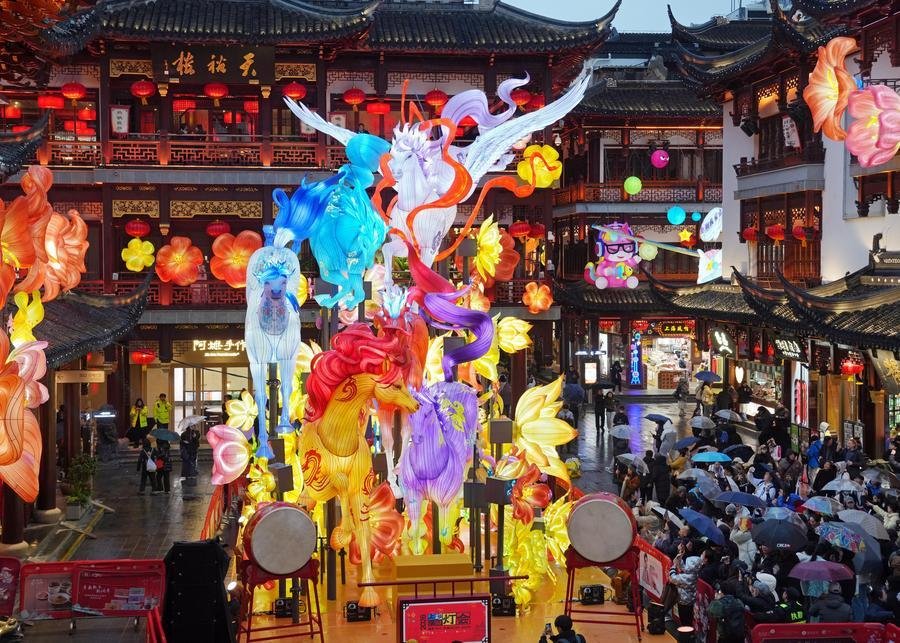
The festival’s origins trace back more than 3,500 years to agrarian rituals marking winter’s end and the beginning of planting season. Over time, myth and ritual intertwined. The legend of ‘Nian,’ a mythical beast repelled by red, fire, and noise, explains the enduring symbolism of red lanterns and fireworks. Further FNGN reading The most important traditional festival throughout Asia, reinforcing traditional values.
Lunar New Year is not simply cultural theatre. It is a structural reset for much of Asia.
Debts are settled.
Business relationships are reaffirmed.
Family obligations take precedence over commercial urgency.
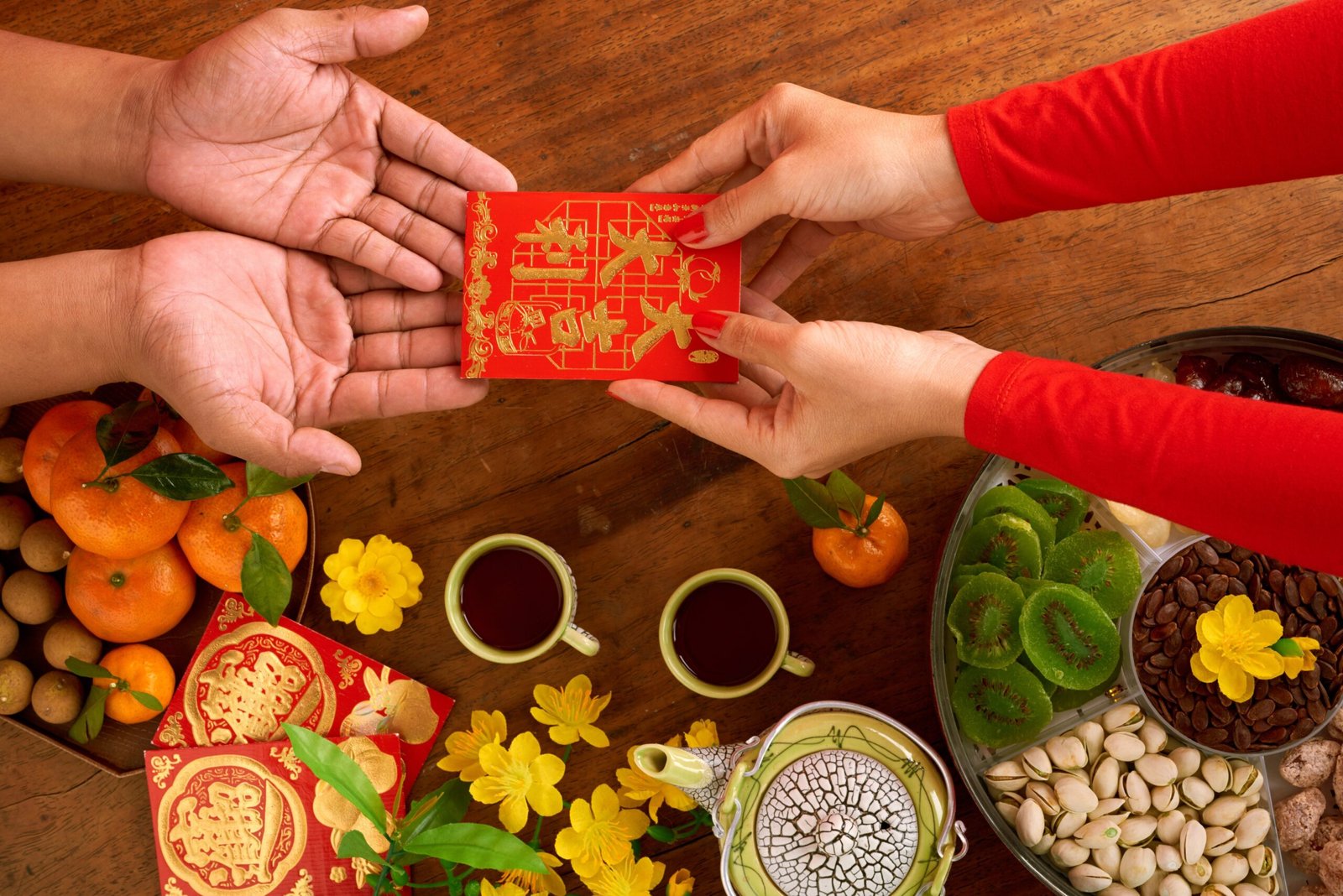
But behind the reunions, red envelopes (红包, hóngbāo), firecrackers, lion and dragon dances, and ancestral offerings, lies a more sobering reality.
In an era defined by climate instability and energy transition, the symbolism of renewal carries fresh weight. The Horse year signals movement. Whether that momentum aligns with sustainability goals will depend not on myth — but on policy, infrastructure, and leadership choices made long after the lanterns dim.
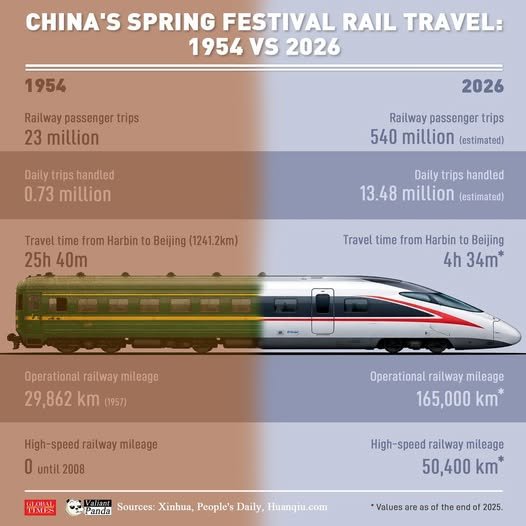
The environmental footprint of 540 million train journeys, 95 million flights, and billions of road trips, is staggering.
Breakdown of Travel Modes (Recent Comparable Data):
- Rail: ~480–540 million long-distance passenger trips
- Road: Over 7 billion journeys (including buses and private vehicles)
- Air: ~95 million passenger trips
- Waterways: 10–15 million trips
China’s high-speed rail network — now the world’s largest at over 45,000 kilometres — carries much of the inter-city load. Bullet trains move millions daily at speeds above 300 km/h, easing congestion compared with pre-rail decades when migrant workers endured days-long journeys in overcrowded carriages.
Air travel spikes sharply, while electric vehicle ownership has begun reshaping road traffic emissions. China now leads the world in EV adoption, and holiday highways increasingly include fast-charging corridors.
The Human Story Behind the Numbers
At Beijing’s railway stations, the scene is simultaneously chaotic and touching. Liu Zhiquan, a construction worker, waits for a 30-hour train journey to Chengdu—a trip that could take just nine hours on high-speed rail, but costs twice as much.
Things feel worse this year than last,” says Liu Zhiquan. “The economy is bad and it’s getting harder to make money.
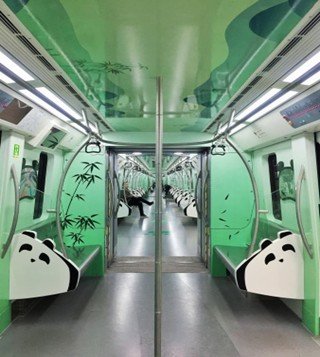
Nearby, passengers crowd waiting areas with oversized suitcases, snacking on instant noodles prepared with free hot water—a small mercy in China’s notoriously packed stations. For many, this arduous journey is the only chance all year to see family. In a country where workers face long hours, weekend work, and minimal annual leave, the nine-day Lunar New Year holiday is precious beyond measure.
The Green Question: Can Tradition Meet Sustainability?
While the cultural significance of chunyun is undeniable, the environmental implications are equally substantial. China, already the world’s largest CO2 emitter at 35% of global emissions, sees this percentage spike dramatically during the 40-day travel period. With 80% of journeys made by private car—an estimated 7.2 billion road trips—the carbon footprint balloons.
But there is an unseen benefit emerging. China’s massive investment in high-speed rail infrastructure offers a greener alternative. The country’s rail network has exploded from 52,000 kilometres in 1978 to 162,000 kilometres today, with extensive electrified high-speed routes. Train travel, while still energy-intensive, produces significantly lower per-passenger emissions than flying or driving.
Environmental advocates are pushing for “green chunyun” initiatives: encouraging economy-class air travel (which produces three times fewer emissions per passenger than business class due to the size), promoting direct flights to avoid multiple take-offs, and incentivizing off-peak travel to reduce congestion-related emissions.
Quirky Facts That Define Chunyun
The scale of this migration produces some remarkable statistics. During peak travel days, Chinese authorities sell approximately 1,000 train tickets every second. In 2015, travellers had to purchase tickets 60 days in advance just to secure a seat. In 2026 it is now 15 days due to ticketing technology and increased train options. The phenomenon is so intense that ticket scalpers creatively known as “yellow bulls” (huang niu) have forged an entire shadow economy around inflated ticket prices.
A View from Above
If lunar satellites were equipped with the right sensors, they might detect subtle patterns in China’s landscape during chunyun; the reversal of migration flows as cities temporarily empty and rural areas swell. Night-time satellite imagery during peak travel shows unusual traffic patterns as expressways glow with brake lights, forming crimson rivers flowing away from manufacturing hubs toward ancestral villages.
Beijing, typically ablaze with light, dims slightly as millions of residents depart. Meanwhile, smaller towns and rural areas experience temporary brightness spikes from returning families. The visual symphony of human movement would be remarkable—if only we had the perspective to see it all at once.
The Path Forward
As China grapples with its climate commitments—including pledges to peak carbon emissions before 2030—the annual chunyun presents both challenge and opportunity. The government’s continued investment in electric vehicles, renewable energy, and expanded rail networks could transform this massive migration into a showcase for sustainable mass transit.
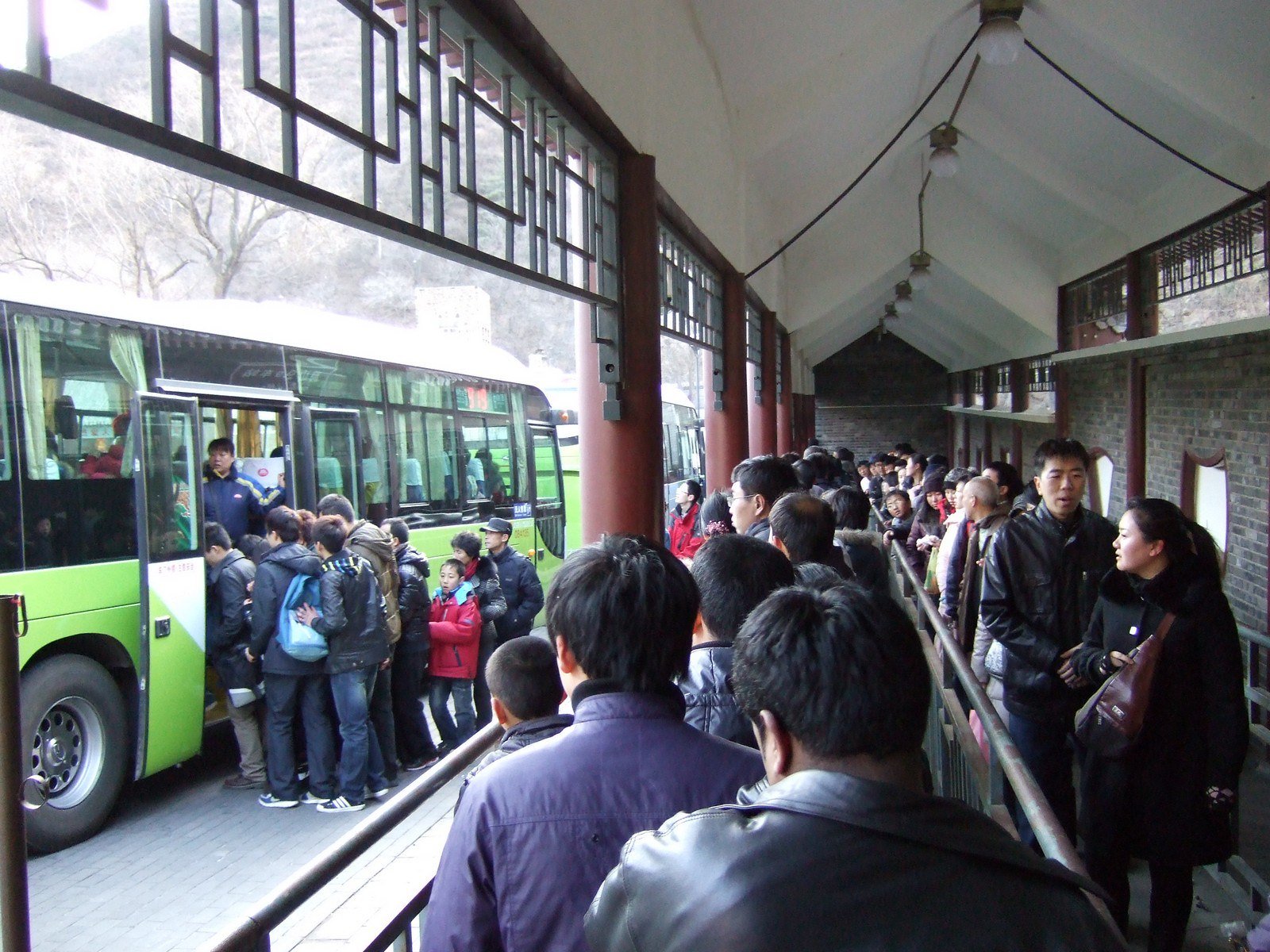
Workers like Liu Zhiquan will continue making the journey home, regardless of the cost, whether financial or environmental. In China, as young worker Tian Duofu explains,
such a long holiday is rare and we see each other less and less in person, which makes the Spring Festival significant.
The world’s largest migration continues, driven not by policy or economics, but by something far more powerful: the universal human need to come home.
Future Now Green News is a forward-thinking media platform dedicated to spotlighting the people, projects, and innovations driving the green & blue economy across Australia, Asia and Pacific region. Our mission is to inform, inspire, and connect changemakers through thought leadership and solutions-focused storytelling in sustainability, clean energy, regenerative tourism, climate action, and future-ready industries.