

AS a foreigner working in China at the intersection of the green, circular and carbon economies, I found myself reflecting over this Christmas-New Year period on the strides China has taken in its transition to a green economy, and the momentum behind its accelerated transition moving forward.
And how, hopefully, the pendulum might be swinging for greater international collaboration in 2026.
There’s no denying my enthusiasm for Xi’s “Two Mountains” (两山理论) vision, in fact my Australian company, GreenGold Ventures, was established on the very foundation that if there’s one country that is going to deliver on its green transition commitments, it’s China.
And in doing so, there are opportunities for all.
Happy New Year 2026
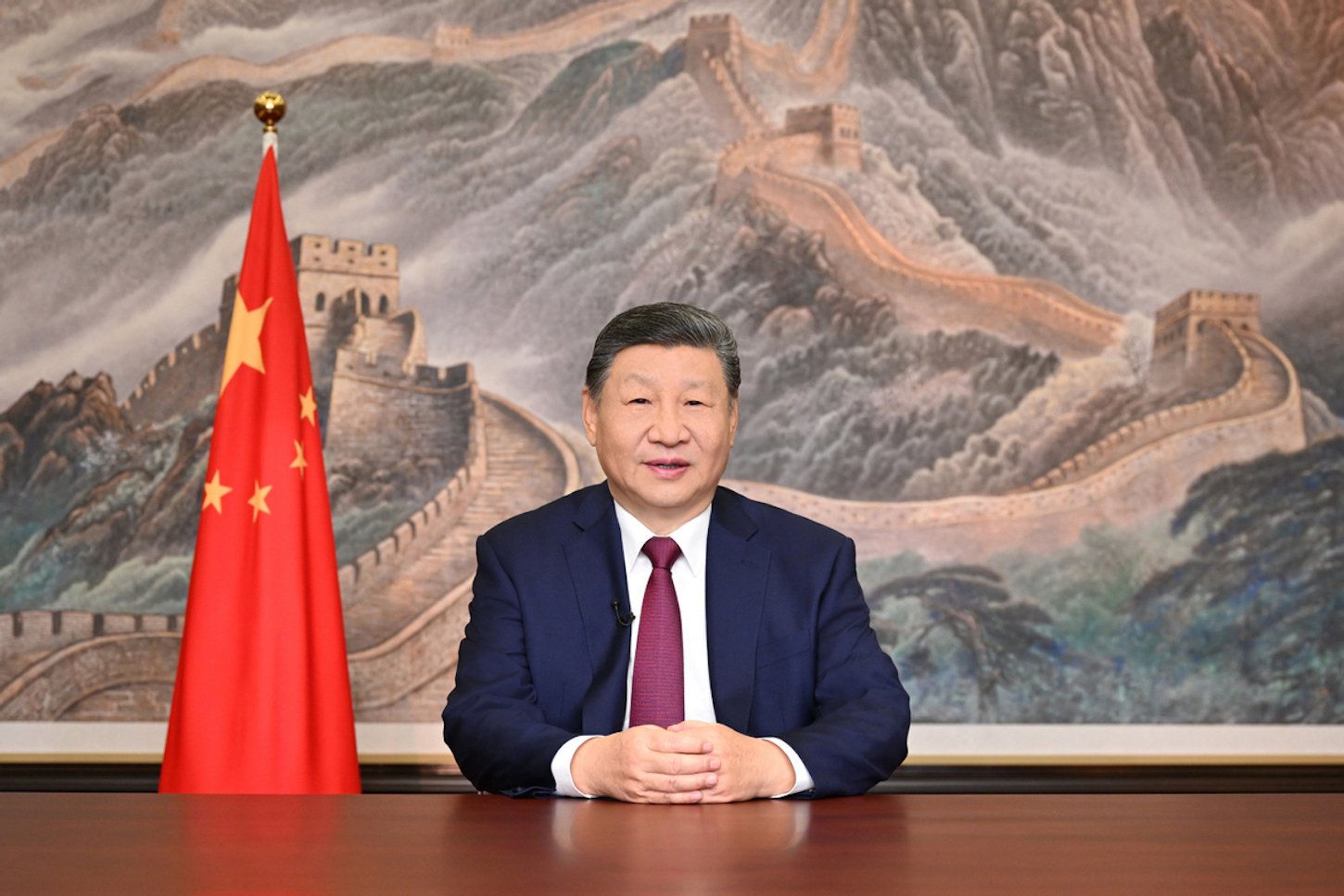
So it was fitting then that this New Year’s Eve, 20 years after the then Zhejiang Party Secretary shared his Green/Gold Mountains theory, that I found myself sitting in Hangzhou (Zhejiang Province) watching the now President Xi share his 2026 message.
In it Xi reiterated the more recent Central policy themes of a global “Ecological Civilisation” (生态文明) and a “Beautiful China” (美丽的中国), blending in the need for a shared commitment to China’s new 15th Five-Year Plan (2026-2030).
If you thought the eye-opening ecological, scientific and technological achievements of recent times were something, you ain’t seen nothing yet.
In his message, Xi reinforced that a successful venture should start with a good plan with clear goals: “Focus on the goals and tasks, build momentum to press ahead.”
Beautiful China is the plan
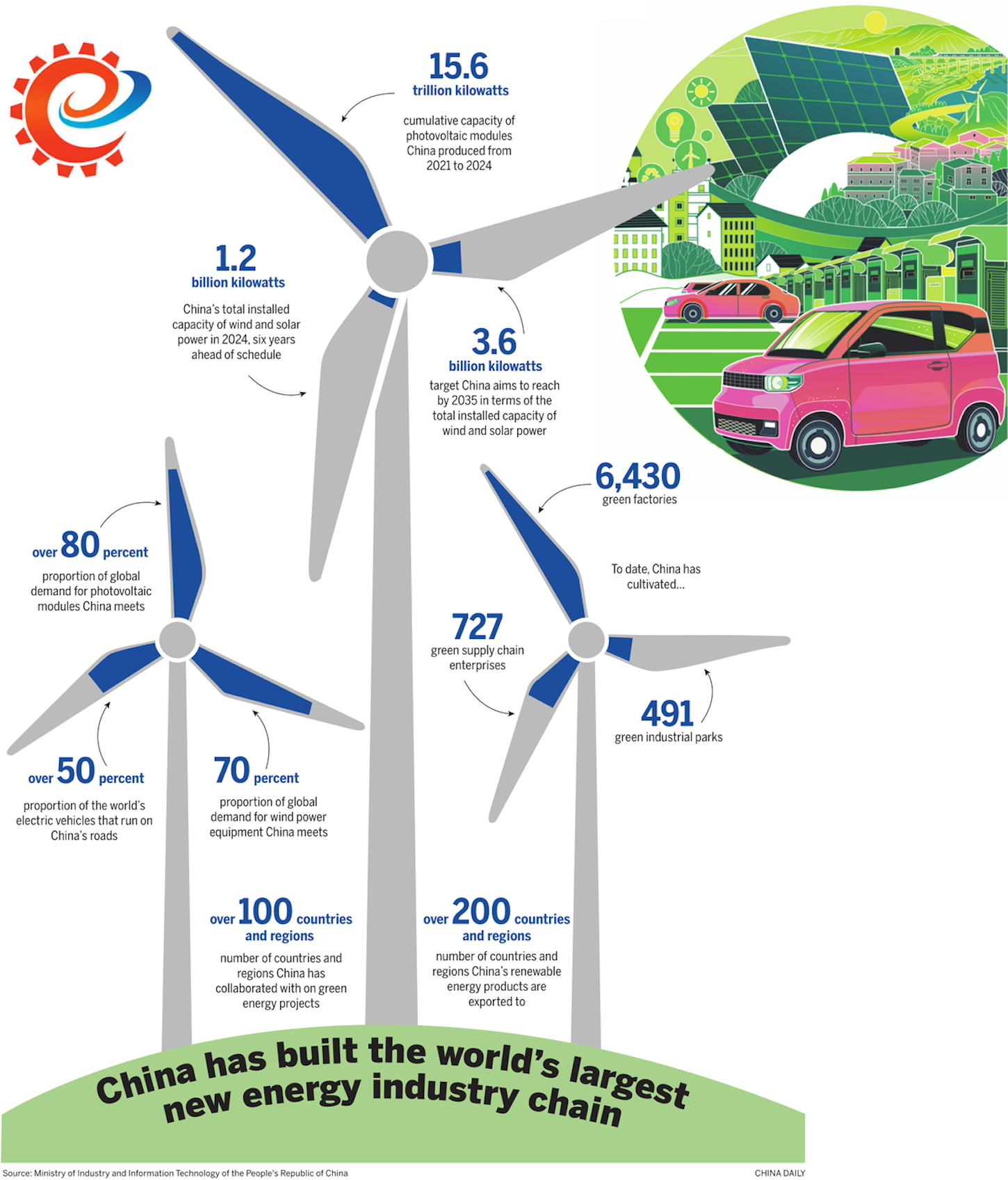
Building a “Beautiful China” and advancing high-quality, low-carbon development is the plan. Key industrial pillars include expanding renewable energy, promoting circular economies and fostering international cooperation, all the while striving to peak carbon emissions before 2030 and consolidating greener production and lifestyles.
But one shouldn’t just focus on the economic achievements and ambitions. China’s social and environmental commitment to “green living” is also profound.
Year of the Fire Horse
Coincidentally (or perhaps cosmically) 2026 is the Year of the Fire Horse in the Chinese zodiac, beginning on February 17.
The horse symbolises energy, speed and unbridled ambition: qualities of the risk-takers and pioneers who charge ahead where others hesitate.
Infused with the Fire element, this year promises dynamic transformative drive.
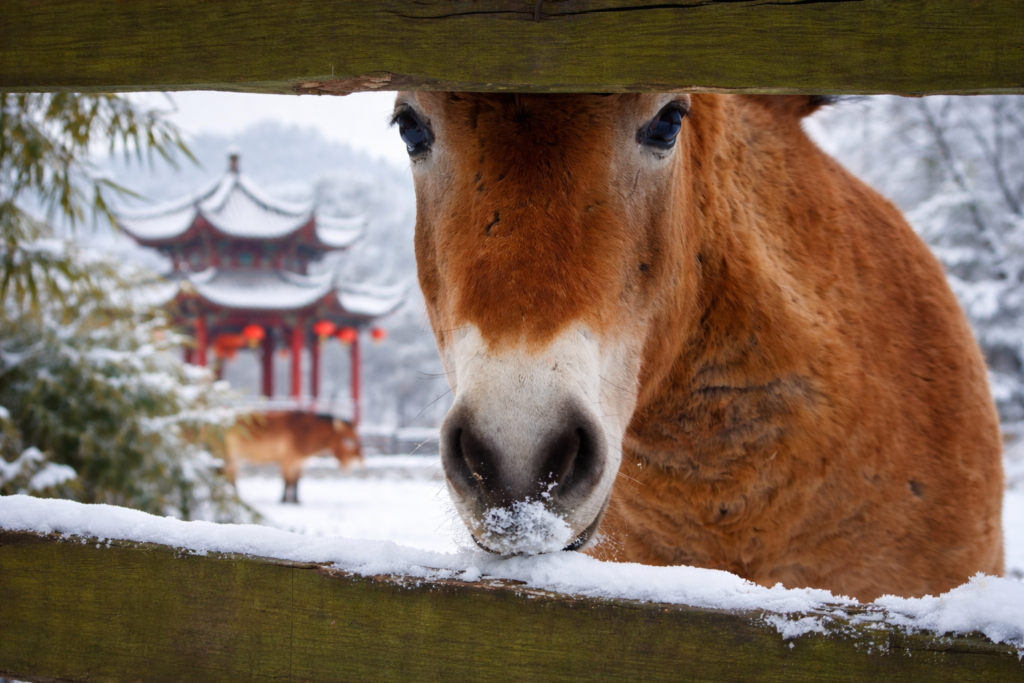
My reference to the rejuvenated Przewalski horse breed (main image) is the link for this. Forty years on from the reintroduction of the once-thought lost breed, this biodiversity program has been recognised for its global significance. Mongolians call it takhi, which means spirit.
It’s a fitting metaphor for China’s green economy surge, galloping toward innovation in clean energy, industrial decarbonisation and circular systems, even amid global headwinds.
This symbolism is the inspiration for my 2026 series on Green Economy Opportunities here at Future Now Green News.
This year, along with my focus on circular economy, I’m going to dive into the applications of China’s scientific and technological prowess to address some of the pressing environmental and biodiversity challenges the world faces and the unusual links to ecological and cultural tourism blossoming with this.
Green Tech for Gaia
Examples, like the work being done on the recovery of the Przewalski breed above, and other initiatives like the monitoring of the resurgence of the one thought extinct Chinese Crested Tern (CCT), which I got told about over a Christmas dinner in Jingdezhen.
Utilising satellite tracking to understand migration, and habitat quality assessments to guide conservation, studies identifed Zhejiang as a key stopover point for the CCT in the East Asian-Australasian Flyway (EAAF).
With only 100 or so individuals globally, the Chinese Crested Tern is one of the rarest avian species on Earth. Asian birdwatchers call it the “bird of legend,” a moniker inspired by the tern’s return from oblivion. The sleek seabirds were thought to have gone extinct nearly a century ago, only to be rediscovered in 2000. Despite renewed interest since then, little is known about the life cycle of these feathered seafarers, especially where they go outside of breeding season, where they overwinter, and their migratory routes between those places.
Enter China’s Earth Orbit
China closed out 2025 with a record of 92 space launches, and major breakthroughs were made in manned space launches, deep space exploration and commercial launches, sending more than 300 satellites into planned orbits.
One of these was the Gaofen-14 (高分) China High-resolution Earth Observation System (CHEOS) used for agricultural, disaster response and environmental monitoring.
Measurement, Reporting and Verification is a key pillar of carbon economy, and China will provide opportunities for some new innovations in this area in the years ahead.
International science and environmental groups should be booking their tickets to Hainan or Sichuan to check out developments in this exciting field.
Circular Carbon and Innovation
As someone immersed in China’s battery market I’ve witnessed first-hand how entrepreneurs and innovators are turning challenges into breakthroughs – scaling up recycling technologies to recover critical minerals, building high-integrity carbon projects and creating closed-loop systems that minimise waste.
These are the modern mavericks, the bold visionaries who, as the late Steve Jobs said (whose passing we mark 15 years ago this October, at only 56), dared to “think different”.
This year we’re going to be seeking out and honouring the green economy rebels who are crazy enough to achieve what others deem impossible.
In China, recycling and the circular economy will be where the new heroes come from.
Linking China’s massive industrial decarbonisation challenges to the newly minted carbon markets the key. Capital flows and decarbonisation of supply chains are the big ticket items for China’s 15th 5-year plan.
Collaboration is Key
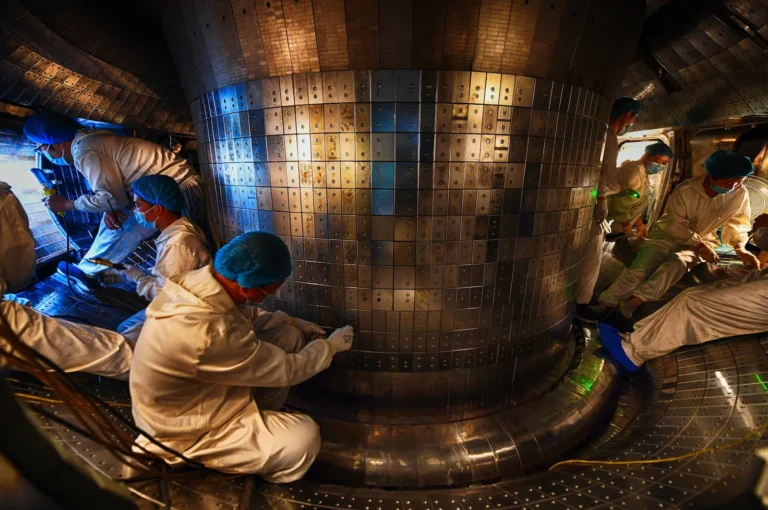
Real transformation, however, demands collaboration. Despite geopolitical headwinds from legacy fossil fuel interests and shifts in international commitments (like the US withdrawal from climate frameworks), China’s doors remain open. Just look at what they launched in Hainan.
The 15th Five-Year Plan explicitly encourages foreign investment and partnerships in environmental technologies and their application to solving China’s challenges.
This is our moment. International business, governments and experts should embrace joint ventures, knowledge exchanges, and on-the-ground engagement.
Throughout this year, my articles will spotlight actionable opportunities in China’s green sectors.
I’ll be advocating and promoting sector-specific site visits and study tours to factories and research institutes, carbon trading centres and biodiversity projects.
Seeing is believing. Experiencing China’s commitment, scale and speed first-hand can bridge divides and forge partnerships that hasten the global energy transition.
So, in the spirit of the Fire Horse, let’s charge forward with optimism and courage.
Entrepreneurs and risk-takers have always been the ones to redefine what’s possible.
Together, we can build a sustainable future that benefits all.
Here’s to 2026, full of momentum, innovation, and green breakthroughs.
What green industries or initiatives in China interest you most this year? Share in the comments and stay tuned for the next instalment in the series.
Check out China’s Guangxi Shows Australia Its Low-Carbon Future
Future Now Green News is a forward-thinking media platform dedicated to spotlighting the people, projects, and innovations driving the green & blue economy across Australia, Asia and Pacific region. Our mission is to inform, inspire, and connect changemakers through thought leadership and solutions-focused storytelling in sustainability, clean energy, regenerative tourism, climate action, and future-ready industries. Feel free to contact the editor at editor@futurenowgreennews.com