


THE phrase sounds like something from a dystopian novel.
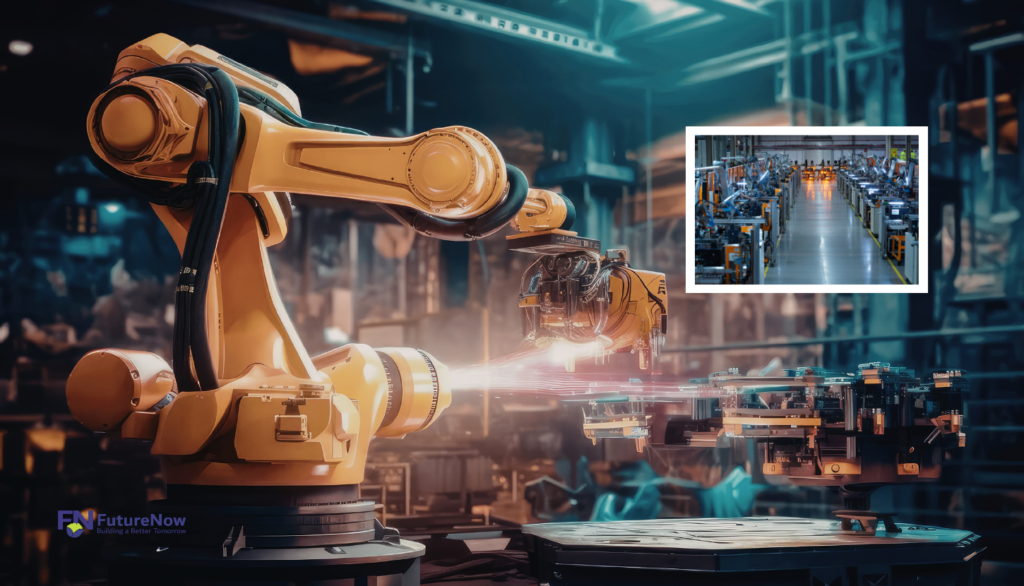
A “dark factory” is a manufacturing facility so automated it can operate without human workers on the floor, sometimes even without lights.
Rows of robotic arms assemble products through the night while autonomous vehicles move materials between stations. Algorithms monitor quality, maintenance and production flow. Human involvement, where it exists, is often limited to oversight from control rooms.
The idea might seem futuristic, but in reality, it is already emerging across parts of Asia, Europe and the United States.
For years, industrial automation has steadily increased inside modern manufacturing plants. But advances in robotics, artificial intelligence and sensor systems are now pushing factories beyond automation toward something more autonomous.
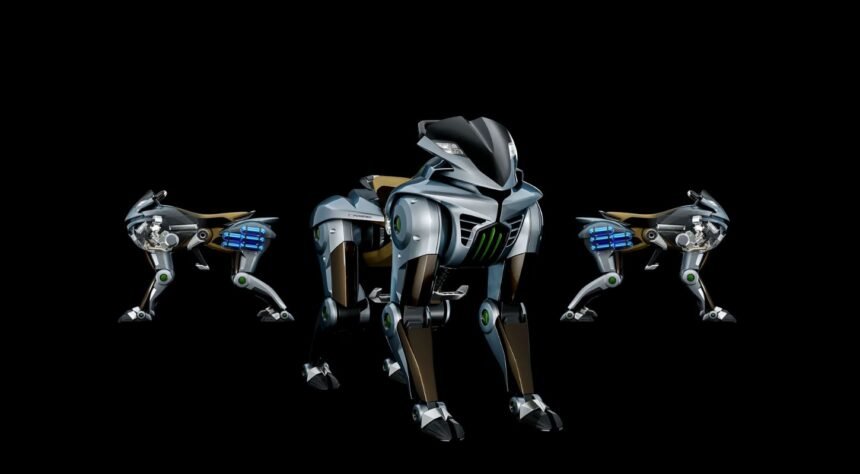
Decades ago, organisational theorist Warren Bennis joked that the factory of the future would employ only two workers.
The man will be there to feed the dog, and the dog will be there to keep the man from touching the equipment.”
The line was meant as humour but today it feels closer to foresight.
Manufacturers from Japan to China are increasingly experimenting with highly automated production environments — sometimes described as “lights-out manufacturing” — where machines handle the majority of physical tasks while humans focus on system management and engineering.
For companies entering manufacturing today, the implications are profound. The traditional playbook of labour-centred production lines and incremental efficiency gains is rapidly being rewritten.
Factories are beginning to be designed not around people, but around machines capable of operating continuously.
In this week’s The Long View, we explore the rise of dark factories, the convergence of robotics and artificial intelligence, and what this shift could mean for the industries that will build the energy transition.
👉 Read the full analysis in The Long View on LinkedIn.