
ONE OF AUSTRALIA’S largest philanthropic commitments to environmental conservation.
The Wright Burt Foundation is directing more than A$120 million to ten organisations working to protect the nation’s threatened wildlife, restore critical habitats and address biodiversity loss. Backed by a family whose fortune is deeply connected to the Pilbara’s iron ore industry, the landmark commitment raises an important question: can private wealth help turn the tide on Australia’s escalating extinction crisis?
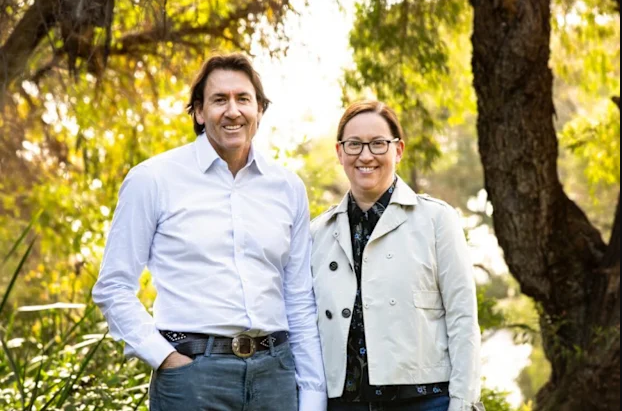
The donation, made by Western Australian philanthropists Alexandra and Julian Burt through their family foundation, is among the largest private philanthropic commitments to Australian environmental causes.
The funding comes at a critical time
Australia’s native wildlife, forests, waterways, marine environments and unique ecosystems are under increasing pressure from habitat destruction, invasive species, climate change, altered fire regimes and other human impacts. For the organisations receiving the funding, the investment represents more than a substantial financial windfall. It offers an opportunity to expand conservation programs, secure threatened habitats, strengthen scientific research and accelerate practical interventions to prevent further species extinctions.
“Like so many Australians, our concern for the environment grows by the day,” Foundation director and co-founder Alexandra Burt said in a statement.
“All our efforts, including those of philanthropy, business, government and the broader community need to increase to reverse this decline.”
Ten organisations, one national conservation commitment
The A$120 million commitment will be distributed among ten organisations, with allocations ranging from approximately A$5.33 million to A$25 million. Three organisations will receive the largest individual contributions: Australian Wildlife Conservancy, Bush Heritage Australia and Greenpeace Australia Pacific, each receiving A$25 million. BirdLife Australia and Great Southern Land Conservancy will each receive A$10 million. The remaining five recipients – Aussie Ark, Conservation Partners, Great Barrier Reef Foundation, Rainforest Rescue and South Endeavour Trust – will each receive approximately A$5.33 million.
The recipients represent a diverse cross-section of Australia’s conservation sector, spanning wildlife recovery, habitat acquisition, rainforest restoration, marine protection, biodiversity research and environmental advocacy.
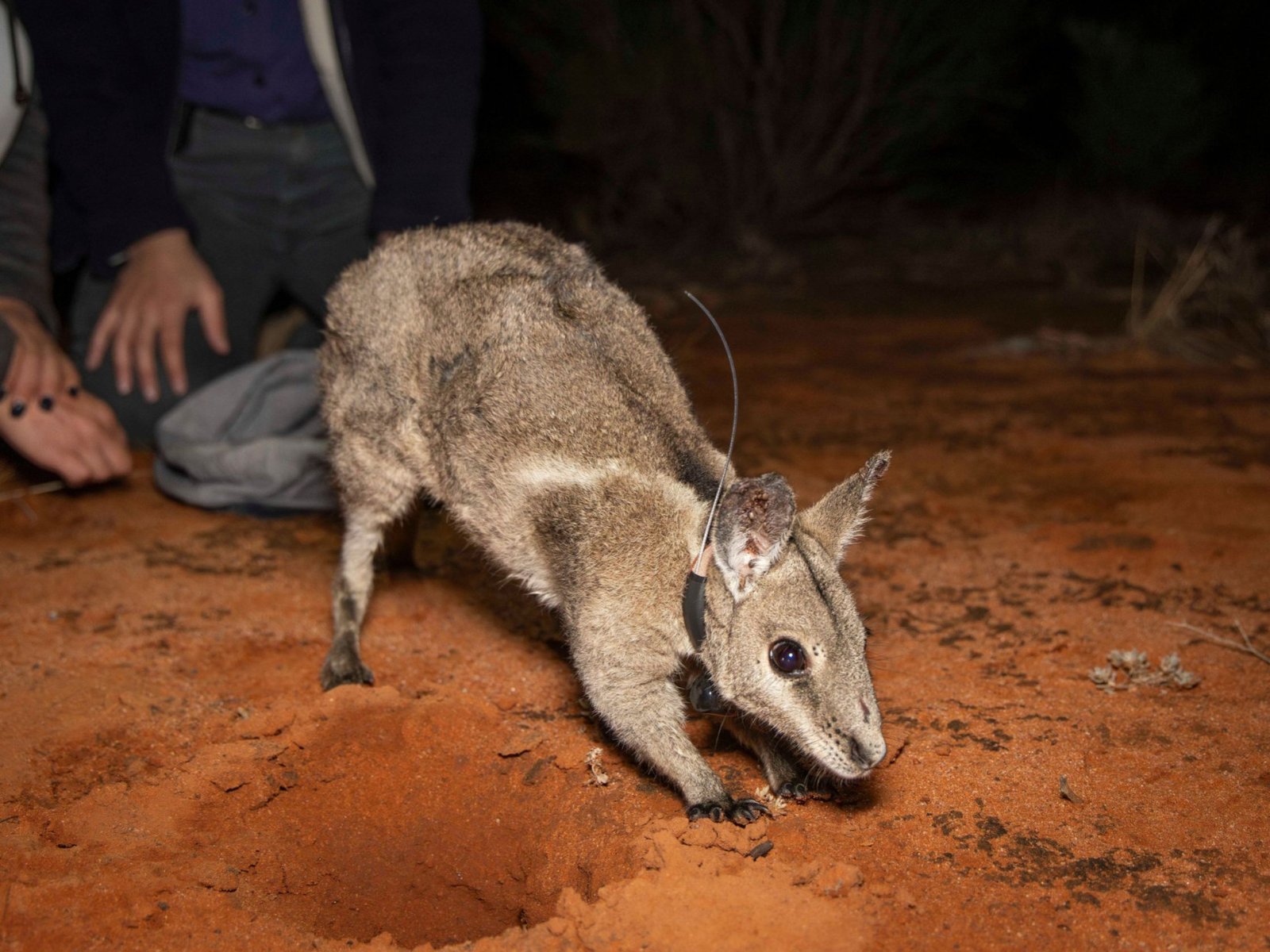
For Australian Wildlife Conservancy, the A$25 million contribution will help accelerate strategic land acquisitions, habitat restoration and programs to protect threatened native species. The organisation manages or works in partnership across millions of hectares of Australian land, with predator control and feral-cat management central to its conservation approach.
Bush Heritage Australia will be able to strengthen its work protecting and restoring important landscapes, including through partnerships with Traditional Owners and the management of ecologically significant properties.
Greenpeace Australia Pacific’s A$25 million allocation provides substantial support for environmental campaigning and advocacy, including its work on climate change, nature protection and the transition towards a more sustainable economy.
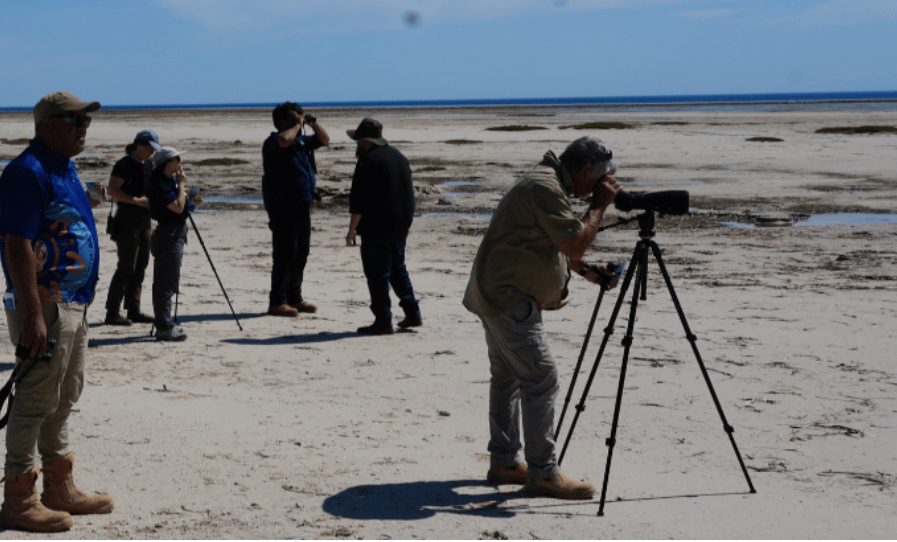
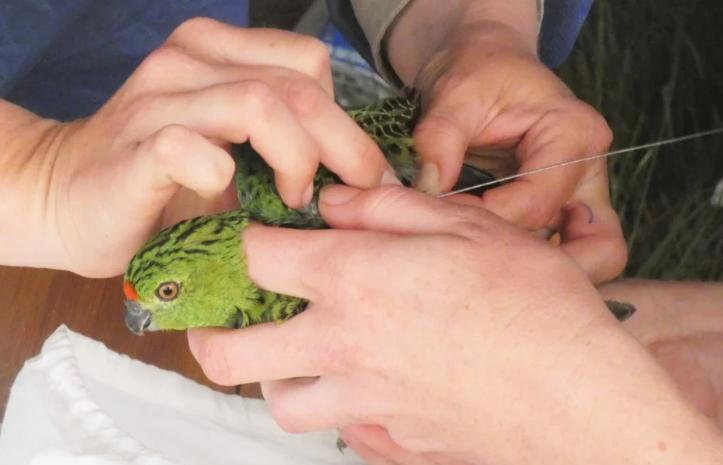
The A$10 million investment in BirdLife Australia has a particularly urgent focus: helping save the critically endangered Western Ground Parrot, also known as the Kyloring. Fewer than 180 are estimated to remain in the wild, making this one of Australia’s most pressing bird conservation challenges.
The Great Southern Land Conservancy, a newer organisation focused on protecting important Australian habitats, will also receive A$10 million.
Meanwhile, the Great Barrier Reef Foundation, Rainforest Rescue, Aussie Ark, Conservation Partners and South Endeavour Trust will each receive approximately A$5.33 million to advance their respective conservation priorities.
From Pilbara mining wealth to conservation investment
The story behind the donation is significant in its own right.
Alexandra Burt is the granddaughter of the late Peter Wright, the Western Australian mining entrepreneur who, alongside business partner Lang Hancock, played a major role in developing the Pilbara’s iron ore industry.
The Wright family became associated with one of Australia’s most consequential mining ventures, helping establish the foundations of a resource industry that would transform the national economy and Western Australia’s economic fortunes.
In 2025, Alexandra Burt and her sister Leonie Baldock sold their combined 25 per cent interest in the Rhodes Ridge iron ore project near Newman to Japanese trading house Mitsui & Co. The transaction reportedly generated approximately A$5 billion.
Rhodes Ridge is one of the world’s significant undeveloped iron ore deposits, with Rio Tinto also holding an interest in the project.
The Wright family’s connection to Australia’s mining history provides an interesting backdrop to the foundation’s latest announcement. Wealth generated through the resources sector is now being directed towards protecting the natural environment, including some of the ecosystems and species increasingly affected by Australia’s changing climate and land-use pressures.
The Burts have also supported environmental initiatives beyond this latest commitment, including conservation work at Bullo River Station in the Northern Territory.
The scale of Australia’s extinction crisis
The size of the commitment becomes clearer when measured against the scale of the biodiversity challenge.
According to the Australia’s Environment Report 2025, produced by researchers at the Australian National University in collaboration with TERN, the national threatened species list increased to 2,175 in 2025.
That represents a 54 per cent increase since 2000, with another 39 species added during 2025 alone. Climate change is now identified as a major threat to nine out of every ten newly listed species.
The report also highlights the compounding effects of climate pressures, habitat loss, invasive species and increasingly severe fire conditions. Australia is home to an extraordinary proportion of unique wildlife. Approximately 84 per cent of its plant species, 83 per cent of its mammals and 45 per cent of its birds are found nowhere else on Earth. This makes the conservation challenge particularly significant. Once an endemic Australian species disappears, its extinction represents a permanent loss to global biodiversity.
The funding will support different approaches to this challenge. Some organisations will concentrate on acquiring and protecting land, while others will focus on threatened-species breeding programs, ecological restoration, marine conservation and campaigning for stronger environmental protection.
Importantly, the commitment recognises that conservation requires more than protecting individual animals. It means preserving the interconnected ecosystems on which wildlife and communities depend.
Can philanthropy change the conservation equation?
The Wright Burt Foundation’s announcement also highlights the growing importance of private philanthropy in addressing environmental challenges that governments and existing conservation budgets have struggled to resolve.
A$120 million is a substantial commitment, but the question is how effectively it will translate into measurable, long-term environmental outcomes.
Land acquisition can prevent important habitats from being cleared or fragmented. Predator-free sanctuaries can provide threatened mammals with a chance to recover. Rainforest restoration can reconnect fragmented ecosystems, while investment in scientific monitoring can improve understanding of declining species and the effectiveness of conservation interventions.
Rainforest Rescue, for example, has confirmed that its A$5.33 million allocation will support its long-term Daintree Oxbow conservation program, including protecting and managing ecologically important floodplain land. The organisation says the project requires a commitment extending over decades, rather than a short-term intervention.
BirdLife Australia’s A$10 million allocation will support urgent recovery work for the Western Ground Parrot, a species with fewer than 180 individuals estimated to remain in the wild.
These examples demonstrate how philanthropic capital can support practical conservation work where time is running out.
However, private donations cannot replace effective environmental legislation, government accountability, properly resourced national parks, Indigenous land management or meaningful action on climate change. Nor can a single philanthropic commitment reverse decades of habitat destruction and biodiversity decline.
The real measure of success will be whether the investment produces lasting outcomes: more protected habitat, recovering wildlife populations, restored ecosystems and fewer species moving towards extinction.
A different legacy for Australia’s natural environment
There is an important dimension to this announcement beyond its financial value.
The Wright family name is historically associated with the development of Australia’s mining wealth. The decision by Alexandra and Julian Burt to direct such a significant proportion of philanthropic investment towards environmental conservation represents an opportunity to create another legacy – one measured not in mineral resources extracted, but in natural environments protected and species given a future.
The Burts have also indicated that they hope their commitment will encourage other philanthropists, businesses and governments to increase their environmental contributions. The country’s natural capital – its rainforests, ancient landscapes, coral reefs, wetlands, native forests and extraordinary wildlife – is fundamental to its ecological resilience, tourism, agriculture, water security and quality of life. Protecting it is not simply an environmental responsibility. It is an investment in Australia’s long-term economic and social future.
The Wright Burt Foundation’s A$120 million commitment is a major step forward. But the extinction crisis will not be solved by one family, ten organisations or one extraordinary donation.
It will require sustained investment, stronger environmental protections, collaboration with Traditional Owners, scientific leadership and a willingness across government, industry and the community to place nature at the centre of Australia’s future.
The challenge now is to turn A$120 million into something that money alone cannot guarantee: a measurable, lasting recovery of Australia’s natural environment.
Check out and sign up for any of our 6 Media Communications training modules: FNGN CLIMAX©MEDIA COMMS ACADEMY
Future Now Green News is an independent forward-thinking digital media platform dedicated to spotlighting the people, projects, and innovations driving the green & blue economy across Australia, Asia and Pacific region. We inform, inspire, and connect change-makers through thought leadership and solutions-focused storytelling in sustainability, clean energy, regenerative tourism, climate action, and future-ready industries.