
From carbon-intensive cremations and resource-heavy coffins to disappearing cemetery land, a new generation of environmental advocates, entrepreneurs and funeral professionals is challenging the way we say goodbye. Could sustainable deathcare become the next frontier of the circular economy?
Death is inevitable. But the environmental consequences of what happens afterwards are increasingly becoming a subject of concern.
Every year, millions of people across Australia and Asia are buried or cremated, leaving behind an environmental footprint involving land consumption, energy, timber, chemicals, plastics and greenhouse gas emissions.
Yet the funeral industry has remained relatively untouched by the sustainability transformation affecting other sectors.
As pressure mounts on urban land, natural resources and climate targets, a growing movement is asking an uncomfortable question: can we make dying more environmentally responsible, less resource-intensive and more affordable?
THE ENVIRONMENTAL COST OF SAYING GOODBYE
Australia has traditionally offered families two principal choices: burial or cremation. Approximately 70 per cent of Australians choose cremation, according to researchers at the University of Melbourne.
Neither option is without environmental consequences.
Conventional cremation requires extremely high temperatures, generally around 800–1,000°C, consuming substantial amounts of energy and releasing carbon dioxide and other pollutants. Mercury emissions from dental amalgam are another environmental concern.
Traditional burial presents a different set of challenges.
Coffins frequently incorporate treated timber, lacquer, metal fittings, synthetic fabrics, plastics and chemical adhesives. Embalming can introduce formaldehyde and other chemicals into the process, while cemetery expansion places additional pressure on increasingly valuable urban land.
Dr Kate Falconer, an Australian death-law researcher now based at University College Cork in Ireland, has investigated the environmental implications of funeral practices.
Speaking to The Guardian in June 2026, she highlighted the often-overlooked environmental cost of conventional coffins.
“I don’t think a lot of people realise how bad coffins are,” she said.
Many apparently wooden coffins contain plastic linings, lacquer and synthetic components, she explained.
The problem is not simply what happens to the body. It is the manufacturing, transportation, materials and infrastructure surrounding the funeral.
AUSTRALIA: A NEW GENERATION OF NATURAL BURIALS
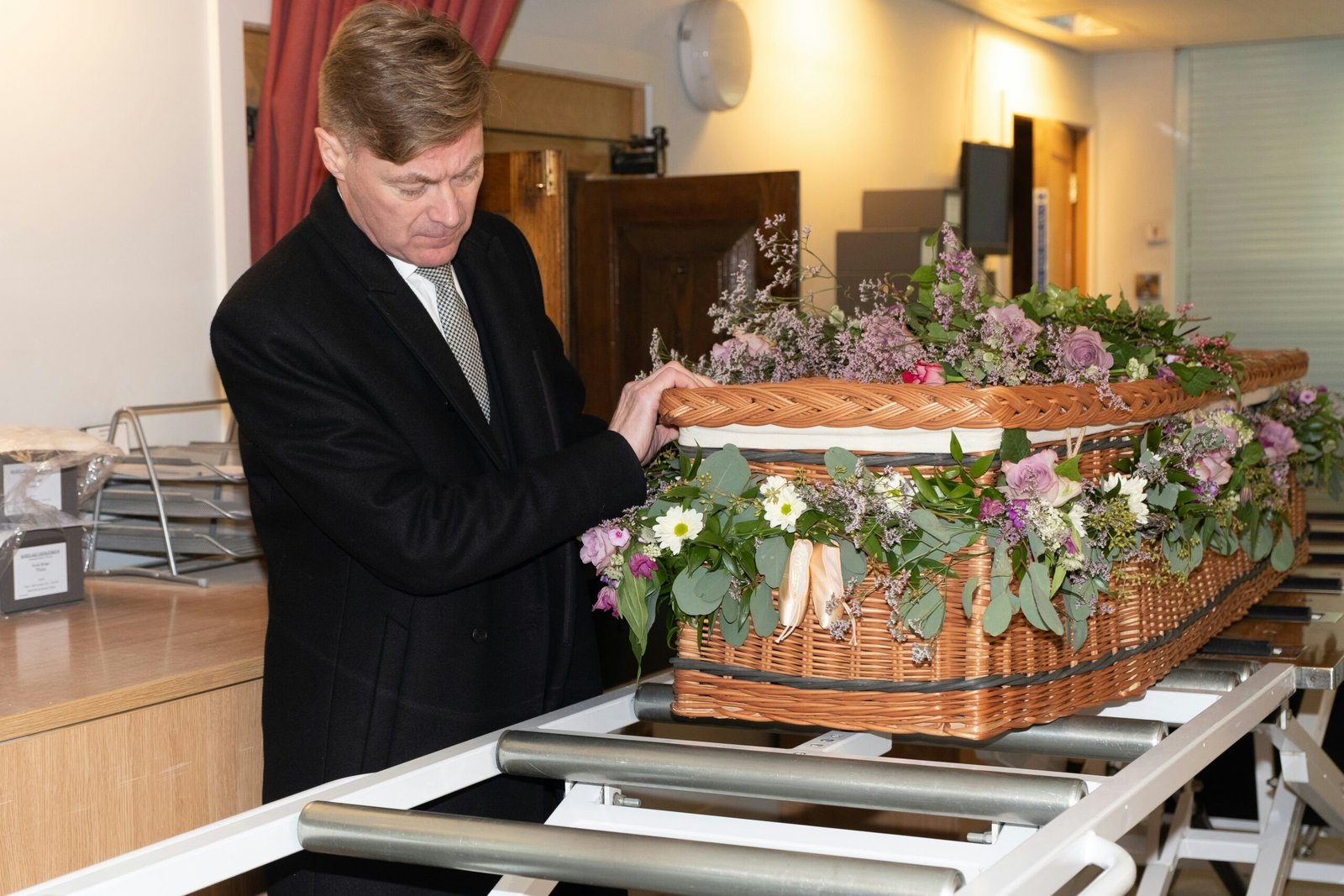
A growing number of Australians are exploring alternatives that return the body to the natural environment rather than relying on conventional funeral practices.
One example is Walawaani Way, Australia’s first cemetery dedicated exclusively to natural burial, located at Bodalla on the NSW South Coast.
Founded by Fiona McCuig, the project aims to create a permanent conservation landscape where natural burials contribute to the regeneration of native habitat.
There are no conventional polished coffins, extensive concrete structures or elaborate memorial installations. Bodies can be buried in biodegradable materials or simple shrouds, allowing natural decomposition.
McCuig described the concept to ABC News as a cemetery that is “full of life”.
The philosophy is particularly interesting: rather than viewing a cemetery simply as a place for the dead, it can become a living ecosystem that protects biodiversity and provides a lasting landscape for future generations.
Another Australian innovator is Greg Nicholls, founder of Daisybox, a manufacturer of cardboard coffins.
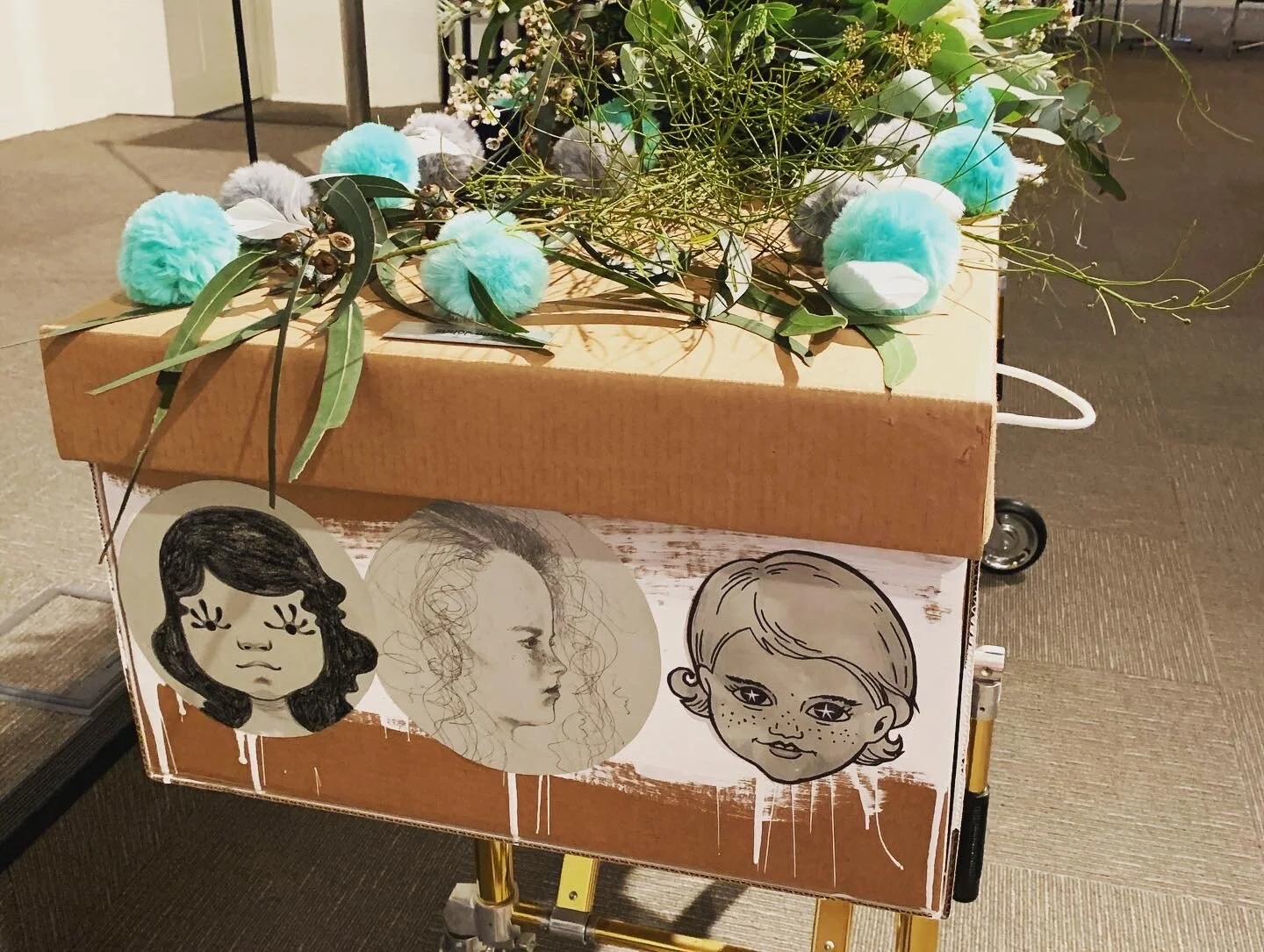
Nicholls developed an affordable alternative to conventional timber coffins, highlighting both environmental and economic concerns.
Speaking to the University of Melbourne’s student publication, he said:
“We’re really democratising coffin manufacturing and letting the public know it is a choice.”
Importantly, affordability has been a major driver of demand. Nicholls estimated that around 80 per cent of demand for his products came from people seeking a less expensive funeral option.
This is an important distinction. Sustainable deathcare does not necessarily need to be a premium product reserved for wealthy consumers.
WATER INSTEAD OF FIRE
One of the more significant developments in alternative funeral technology is aquamation, also known as alkaline hydrolysis or water cremation.
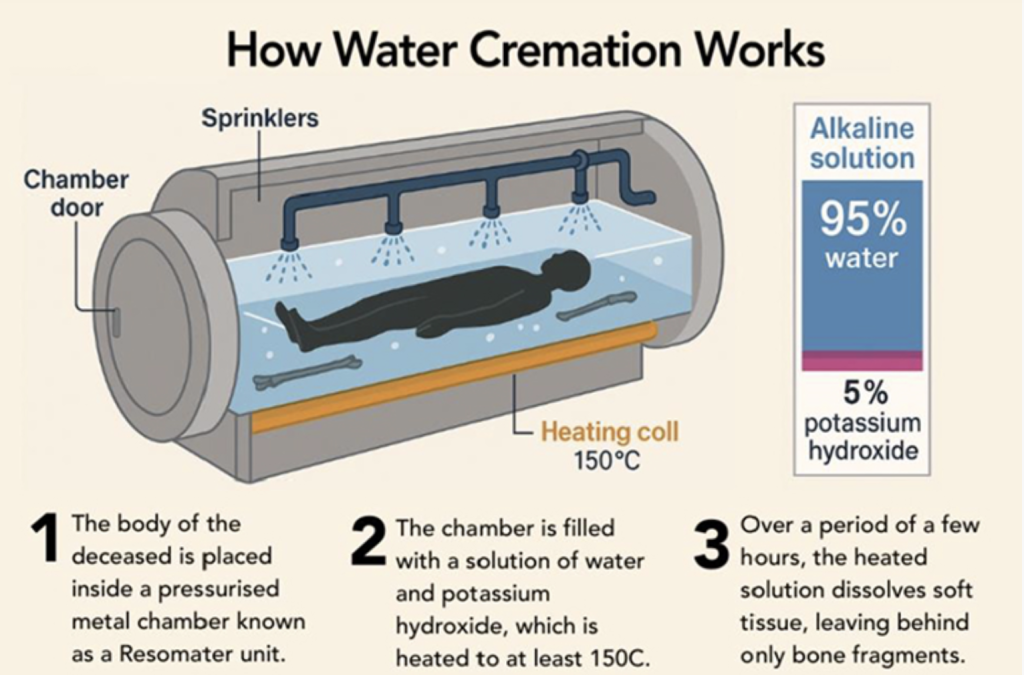
Instead of burning the body, the process uses heated water and an alkaline solution to accelerate natural decomposition. The process generally takes between 10 and 12 hours. The remaining mineral bone material is processed into a powder and returned to the family.
Aquamation® Water Cremation offers a gentle, environmentally friendly alternative to flame cremation, providing families with more ashes to cherish and a process grounded in care and respect.
- Gentle Process – No flames, no smoke, just water, warmth and time. Many families find comfort in its gentleness and respect.
- More Ashes Returned – Aquamation® preserves up to 20–30% more of your loved one’s remains compared to traditional cremation, offering a greater sense of connection and comfort.
- Environmentally Friendly – Water Cremation produces less than 10% of the carbon emissions of a flame cremation and much fewer carbon emissions than a standard burial. It uses around one-eighth of the energy of flame cremation, produces no direct air emissions and creates ashes that can safely nourish plants and soil.
Aquamation uses considerably lower temperatures than conventional cremation and can reduce direct combustion emissions. However, its overall environmental footprint depends on energy sources, water use, chemicals and wastewater treatment.
Cost remains a barrier. The University of Wollongong reported in 2026 that water cremation could cost approximately $6,000 in Australia, compared with around $1,000 for flame cremation.
ASIA: CULTURE, LAND SCARCITY AND FUNERAL REFORM
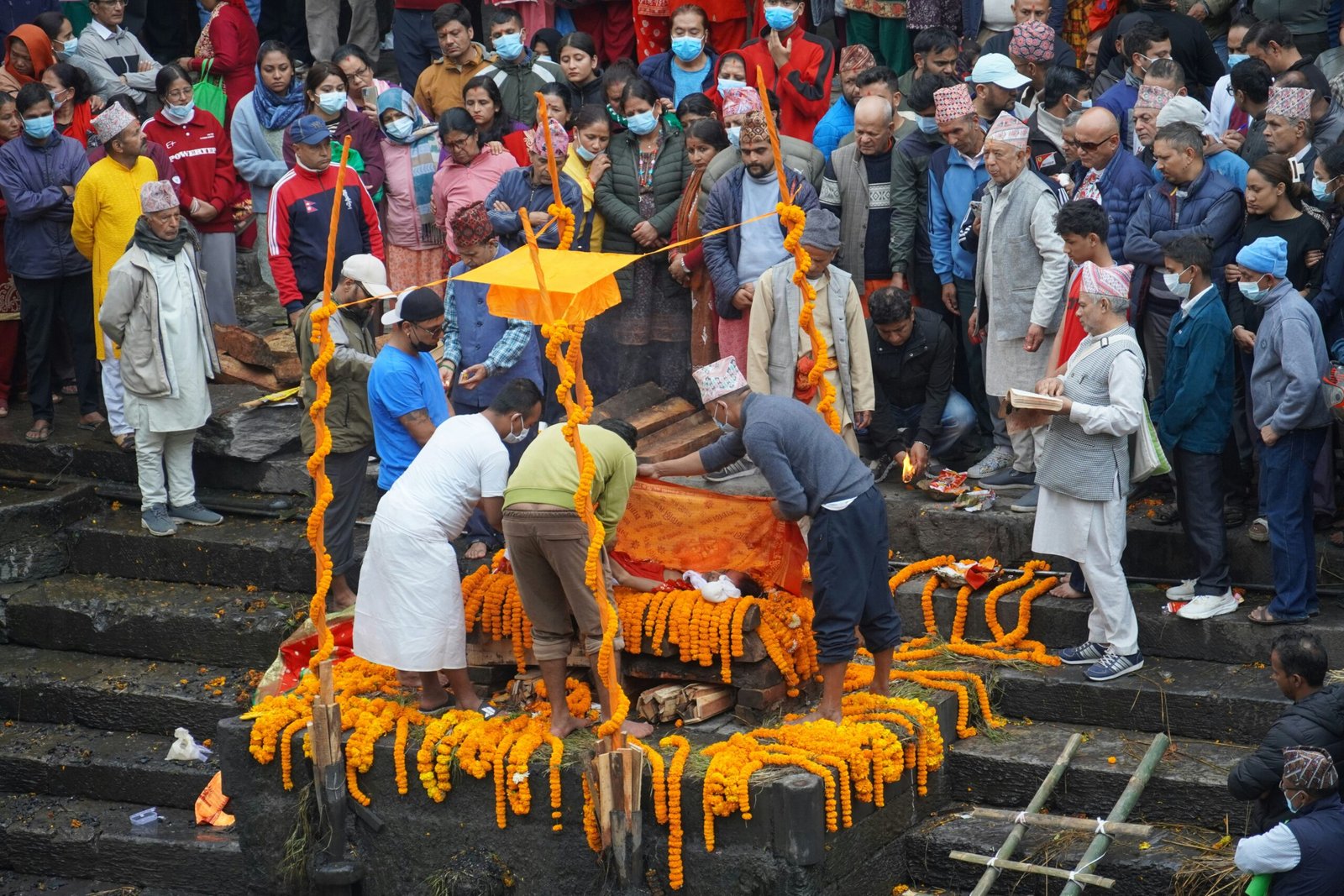
Asia presents a particularly important dimension to the discussion.
Funeral customs are deeply connected to religion, family traditions, ancestral remembrance and cultural identity. Any environmental reform must recognise these differences rather than assume one solution will work across the region.
China provides an interesting example
For generations, traditional burial has been associated with family continuity and ancestral respect. However, rapid urbanisation, population ageing and pressure on agricultural land have encouraged government initiatives promoting cremation and land-saving ecological burial.
A March 2026 study published in Food Policy, titled Funeral Reform, Land Use, and Environmental Consequences: Evidence from China, examined the relationship between funeral reform, agricultural land and air pollution.
The researchers found that funeral reform could improve agricultural land functionality but also identified increased air pollution associated with the expansion of funeral homes and cemetery infrastructure.
The findings demonstrate an important sustainability dilemma: solving one environmental problem does not necessarily solve another.
China is also developing alternative memorial practices.
In July 2025, China’s Ministry of Civil Affairs announced updated funeral service standards promoting greater transparency, ecological burial and alternatives such as sea burials, tree burials and online memorials.
Official figures reported 194,700 ecological burials in 2024, a 67 per cent increase compared with 2019.
The ministry’s Li Yuguang said the revised standards would help improve service quality and promote greener funeral practices.
Elsewhere in Asia, Japan’s widespread use of cremation reflects its limited cemetery space and established cultural practices.
In India, Hindu cremation traditions present different environmental challenges, particularly where wood-fired cremation remains common.
Indonesia and Vietnam also provide important case studies, with burial traditions and religious practices influencing the development of funeral infrastructure.
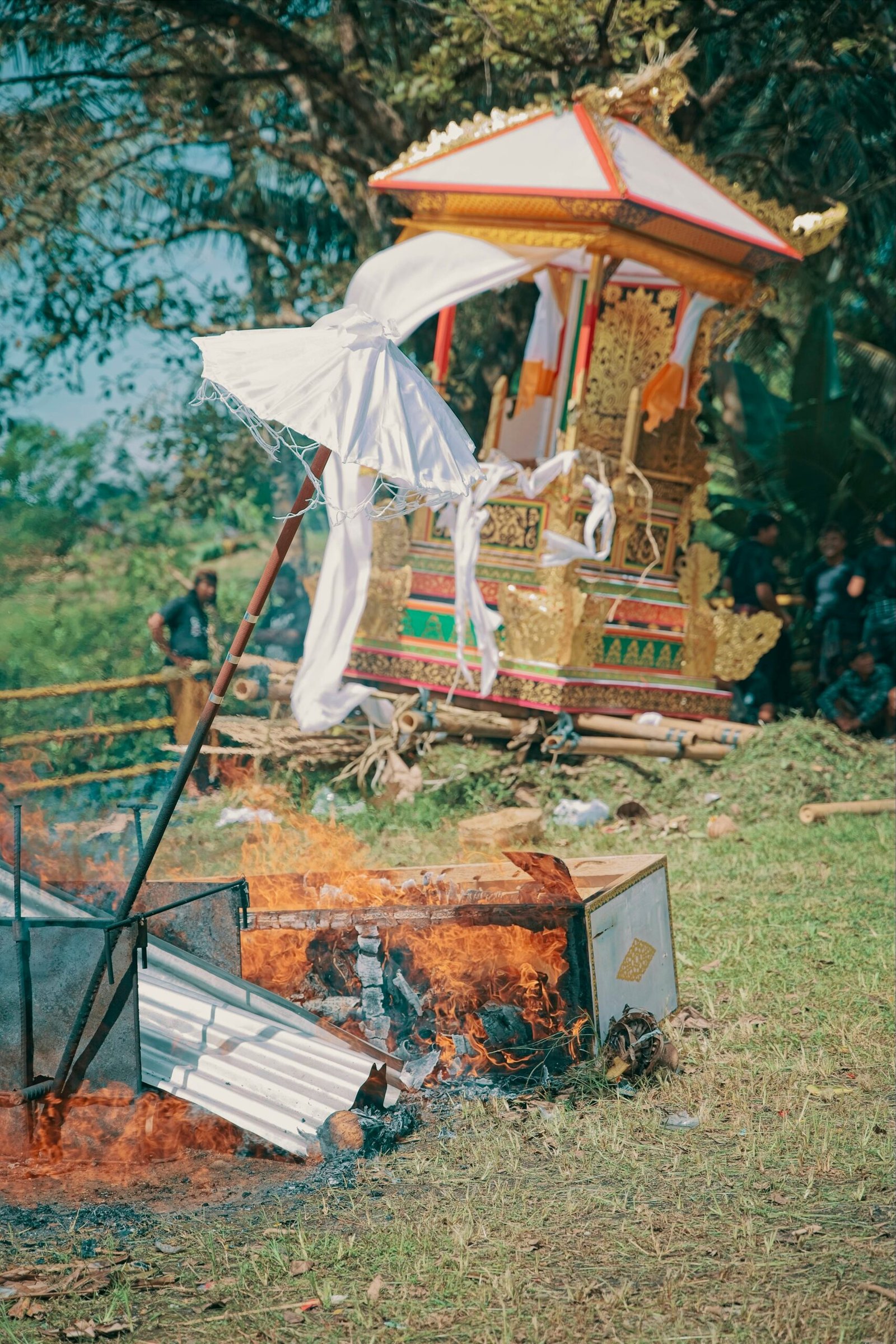
The opportunity is not to replace cultural traditions, but to investigate how sustainable materials, improved infrastructure and more efficient land use can reduce their environmental impact.
THE NEW BUSINESS OF SUSTAINABLE DEATHCARE
The funeral industry could become an unexpected growth market for sustainable materials and circular manufacturing.
Consider the potential for bamboo, untreated timber, willow, wicker, seagrass and recycled cardboard coffins.
These materials offer alternatives to heavily processed timber products and synthetic components.
One particularly interesting international innovation comes from the Netherlands- Loop Biotech
Loop Biotech, founded by Bob Hendrikx, develops coffins made from mycelium, the root-like network of fungi. The company uses mycelium-based technology to grow biodegradable funeral products, including its Living Cocoon. The concept has attracted international attention, including interest in the Australian market.
There is an opportunity for Australian and Southeast Asian manufacturers to explore locally sourced bamboo, natural fibres and agricultural residues as inputs for affordable funeral products.
For example, bamboo is widely cultivated in Asia, while agricultural by-products could potentially be developed into biodegradable coffin materials.
However, environmental claims need independent assessment. Growing, processing, transporting and disposing of these products all have environmental costs. A genuinely sustainable coffin must be evaluated across its entire lifecycle, not simply because it is labelled biodegradable.
RECONSIDERING OUR FINAL FOOTPRINT
Perhaps the most significant barrier to change is not technology, but cultural attitudes.
People rarely discuss their funeral preferences until a death occurs. Families then make decisions under emotional pressure, often defaulting to conventional arrangements.
Former funeral director Sharyn Moll, who helped develop an industry sustainability guide through Funerals Australia, told The Guardian that much of the demand for more sustainable practices was coming from within the industry itself.
“Every business needs to try and be more sustainable,” she said.
That is an important starting point. Funeral operators, manufacturers, governments, designers and environmental organisations all have a role in transforming the sector.
Death is not something most people want to contemplate. But the environmental consequences of our final arrangements are real. The question is not whether we can avoid leaving a footprint. It is whether we can make that final footprint a little lighter.
Check out and sign up for any of our 6 Media Communications training modules: FNGN CLIMAX©MEDIA COMMS ACADEMY
Future Now Green News is an independent forward-thinking digital media platform dedicated to spotlighting the people, projects, and innovations driving the green & blue economy across Australia, Asia and Pacific region. We inform, inspire, and connect change-makers through thought leadership and solutions-focused storytelling in sustainability, clean energy, regenerative tourism, climate action, and future-ready industries.