
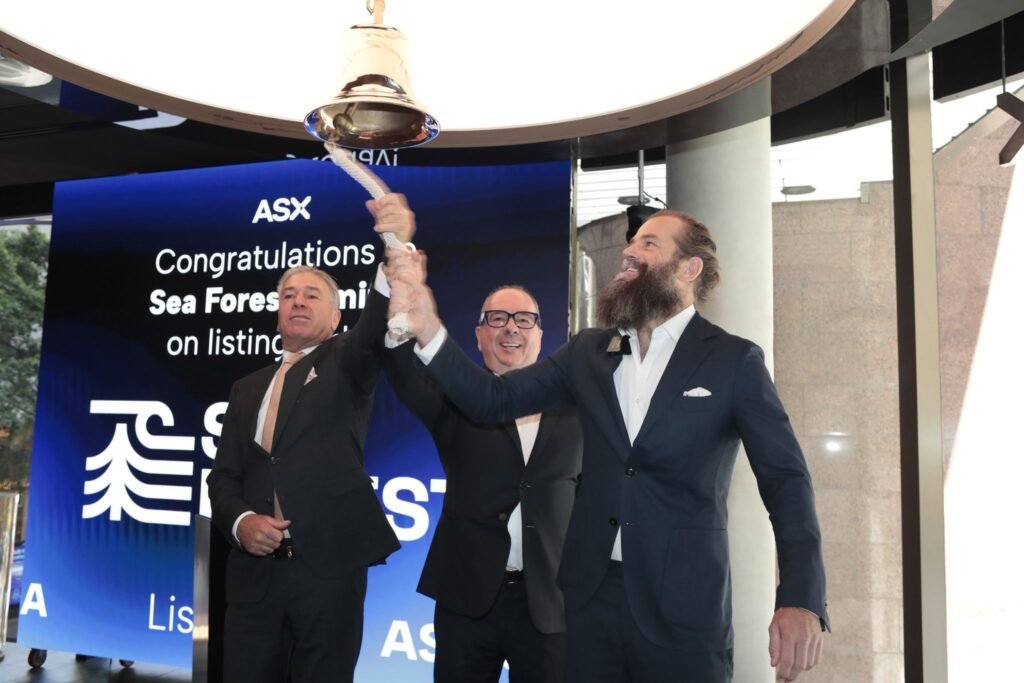

It really is a great vote of confidence in Australian technology solving a global problem… a moment that will go down in history.
By ANI ALLBUTT-GOLIGHTLY
Methane-busting seaweed company surges 30% on first day, marking climate tech milestone
OPTIMISM rang through the Sydney Stock Exchange towers on 26th November 2025, as Triabunna-based Sea Forest became the first climate solutions company in the world to list on a major stock exchange, marking a watershed moment for agricultural technology and emissions reduction.
Shares in the Tasmanian seaweed cultivator opened at $2.00 and surged to $2.60 within minutes, before settling at $2.25 by close of trade—a remarkable 12.5% gain that the ASX described as the best-performing new listing in 18 months. By Thursday, the company’s market capitalisation had climbed to $126 million.
“It really is a great vote of confidence in Australian technology solving a global problem,” Sea Forest declared on Instagram, calling the listing “a moment that will go down in history.”
The company raised $20.5 million through a fully underwritten Initial Public Offering of 10.25 million securities, giving it an initial market capitalisation of $112.1 million. The capital will accelerate commercialisation of its flagship product, SeaFeed—a livestock feed additive that cuts methane emissions by up to 80% while improving meat yield by over 6%.
From Humble Beginnings to Global Ambitions
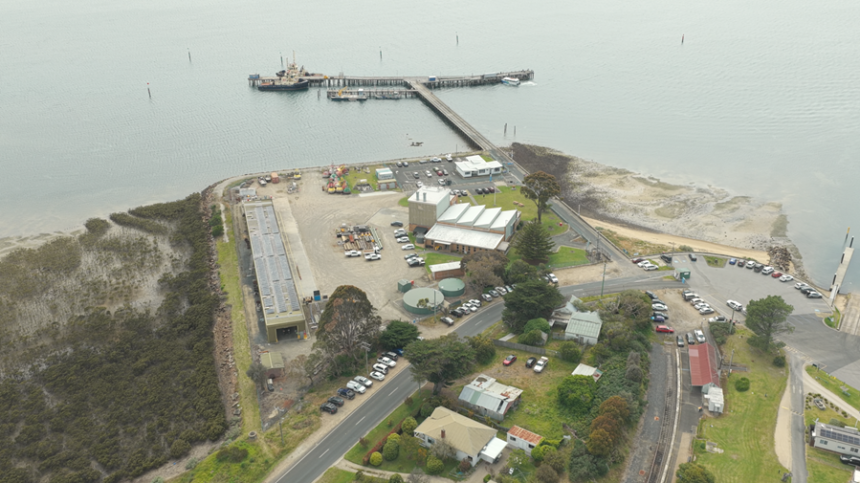
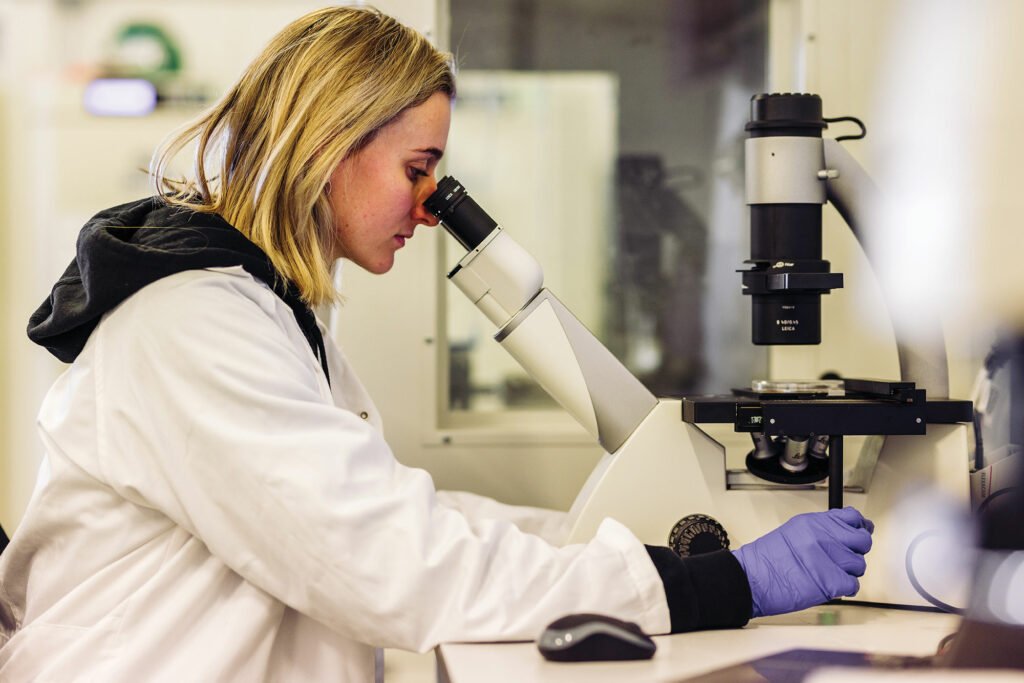
Founded in 2018 by Sam Elsom and Stephen Turner, Sea Forest has pioneered the commercial cultivation of Asparagopsis, a red seaweed native to Australian waters with remarkable methane-inhibiting properties. Operating from a 30-hectare facility in Swansea and cultivation sites in Triabunna, the company controls 1,800 hectares of marine leases across Tasmania’s east coast.
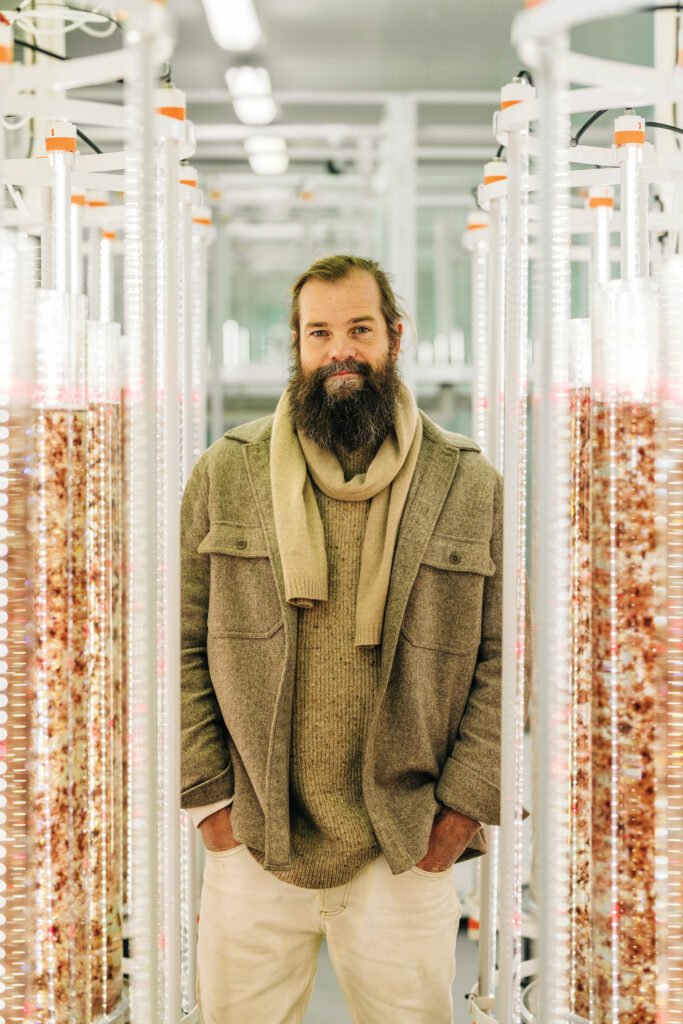
“From what you might regard as very humble beginnings to now taking on the ASX is pretty exciting,” Elsom told The Examiner. “It obviously supercharges our capacity to create impact, our ability to commercialise, and not just in Australia, but to take this solution to other parts of the world.”
The path from coastal Tasmanian startup to ASX-listed company reflects both scientific breakthrough and strategic timing. Livestock generate approximately 16% of global greenhouse gas emissions, with cattle responsible for roughly two-thirds through methane released during digestion. Research shows Asparagopsis can reduce methane emissions from cattle by more than 80% when incorporated into feed.
Sea Forest’s approach goes beyond emissions reduction. Recent studies demonstrate the additive also accelerates livestock growth, creating a rare win-win: environmental benefit coupled with improved farm economics.
“What Sea Forest has is not only one of the most efficacious solutions, but it’s the only one that will deliver a return on investment for producers,” Elsom explained. “Not only can the work we’re doing have a significant impact on emissions reduction, it’s the only tool—even if you look across energy—that doesn’t have an inflationary effect or negative impact on the economy.”
Commercial Traction and Celebrity Backing
The company enters public markets with established commercial momentum. Sea Forest currently holds agreements to supplement approximately 100,000 head of livestock and is negotiating with producers managing an additional 700,000 animals. On listing day, the company announced a supply agreement with Providore Global in western New South Wales to supplement 12,000 head of cattle.
Major customers include Teys Australia (owned by Cargill), Ashgrove Dairy, and Chadwick Consolidated Group, alongside distribution partnerships with agricultural suppliers like Orffa.
The investor roster reads like a who’s who of Australian celebrity and impact investment. Professional surfer Mick Fanning, television personalities Hamish Blake and Zoe Foster-Blake, and various climate-focused funds backed the company pre-IPO, drawn by the combination of environmental impact and commercial viability.
Sea Forest’s credentials extend beyond financial backing. The company was a finalist for The Earthshot Prize, named among Fast Company’s Most Innovative Companies of 2024, and won the InnovationAus Awards for Excellence—recognition that positions it as a sustainability leader rather than merely a livestock supplier.
Scaling Up: National and International Expansion
Funds from the IPO will support ongoing product innovation and regulatory approvals, and provide working capital, according to CEO Sam Elsom. The company plans facilities across Queensland, New South Wales, Western Australia, and internationally in South Africa and Europe.
This geographic expansion addresses both opportunity and necessity. Australia’s agricultural sector faces mounting pressure to reduce emissions while maintaining productivity. Sea Forest’s technology offers a pathway to meet these competing demands without requiring farmers to reduce herd sizes or compromise profitability.
The timing proves strategic. Australian agricultural emissions targets, coupled with growing consumer and corporate demand for sustainable meat and dairy, create expanding markets for emissions-reduction technologies. International markets face similar pressures, with European Union methane regulations and corporate net-zero commitments driving demand for proven solutions.
“Our mission is clear: to combat climate change through the mitigation of livestock methane and to be an enabling force behind sustainable agriculture,” Elsom stated following the listing.
The Science Behind the Seaweed
Sea Forest’s proprietary manufacturing process replicates the key bioactive compounds found in Asparagopsis seaweed, enabling stable, consistent production at commercial scale. This represents a crucial advance over earlier attempts to use raw seaweed, which faced challenges with seasonal availability, consistency, and storage stability.
The company’s 100% owned Swansea facility manufactures and distributes SeaFeed while maintaining marine leases for ongoing research and development. This vertical integration—from cultivation through processing to distribution—provides quality control and intellectual property protection that venture capitalists and public market investors value.
Chair John McKillop emphasised in the company prospectus that Sea Forest stands as one of the first companies globally to achieve success in commercial cultivation and application of this native Australian seaweed. The company’s research team comprises specialists in ruminant nutrition, biology, and biochemistry, publishing peer-reviewed journal articles demonstrating efficacy.
Market Response and Future Outlook
The strong first-day performance suggests investors share management’s optimism about commercial prospects. The ASX described it as the best-performing new listing in 18 months, a notable achievement during a period when initial public offerings have faced challenging market conditions.
Damien Menzies, managing director of corporate finance at Ord Minnett, which managed the IPO, highlighted the significance: “This IPO will be used for capital expenditure to expand their production, including facilities in Queensland, New South Wales, and beyond.”
The listing structure left new investors holding 18.3% of shares following the IPO, with founders and early backers maintaining substantial stakes—a signal of continued confidence in long-term prospects.
Industry analysts note that Sea Forest’s success could catalyse further investment in agricultural climate technology. The company demonstrates that emissions reduction need not conflict with farm economics — a crucial proof point for scaling climate solutions in agriculture globally.
Challenges and Questions Ahead
Despite the celebratory debut, Sea Forest faces the standard challenges of any newly public company, amplified by the complexities of agricultural markets and regulatory landscapes.
Scaling production to meet the potential demand from 700,000+ head of livestock under negotiation will test manufacturing capacity and supply chain capabilities. International expansion brings regulatory complexity, as different jurisdictions maintain varying approval processes for livestock feed additives.
Competition looms as well. Other companies globally pursue similar methane-reduction technologies, though Sea Forest’s commercial head start and intellectual property provide competitive advantages. Market education remains essential—convincing farmers to adopt new feed additives requires overcoming inherent agricultural conservatism, even when economic benefits are demonstrated.
The company must also navigate the scrutiny that accompanies public market listing. Quarterly reporting requirements, analyst expectations, and share price volatility create pressures distinct from private company operations.
A Climate Tech Milestone
Beyond the financial metrics, Sea Forest’s ASX listing represents a symbolic milestone for climate technology. On Instagram, Sea Forest said listing on the exchange was a moment that would “go down in history”, positioning itself as the first climate solutions company globally to achieve major stock exchange listing.
This framing reflects growing investor appetite for companies delivering both environmental impact and financial returns — the “double bottom line” that once seemed contradictory but increasingly defines successful climate tech ventures.
For Tasmania, the listing showcases the island state’s capacity to incubate world-leading environmental technology. From pristine marine environments emerge solutions to global challenges, powered by scientific excellence and entrepreneurial ambition.
As Elsom reflected on the journey from coastal startup to ASX-listed company, his emphasis remained on impact over achievement:
It’s exciting for this country and its emissions reductions targets, and the potential for this solution to be brought to the world.
Whether Sea Forest can deliver on that potential will unfold quarter by quarter, market by market. But for one day in late November 2025, the answer seemed written in surging share prices and a packed trading floor—optimism that Australian ingenuity, Tasmanian seaweed, and patient capital might just help solve one of agriculture’s most stubborn climate challenges.
The burping cows of the world remain unaware, but their methane emissions may have finally met their match.
About Sea Forest: Investment Centre; Founded 2018 | Headquarters: Triabunna, Tasmania |
ASX Code: ASX SEA Market Cap: ~$126M (27 Nov 2025) | CEO: Sam Elsom | Employees: 55+ | Product: SeaFeed livestock supplement
Future Now Green News is a forward-thinking media platform dedicated to spotlighting the people, projects, and innovations driving the green & blue economy across Australia, Asia and Pacific regions. Our mission is to inform, inspire, and connect changemakers through thought leadership and solutions-focused storytelling in sustainability, clean energy, regenerative tourism, climate action, and future-ready industries.