

From poisoned waterways and destroyed agricultural land to contaminated coastlines, collapsing ecosystems and millions of tonnes of hazardous rubble, modern warfare leaves an environmental legacy that can outlast the fighting by generations. As conflicts intensify across Gaza, Ukraine and Sudan, protecting the environment must become part of the global conversation about peace, security and reconstruction.
When the world counts the casualties of war, the numbers usually focus on human lives lost, people displaced, destroyed homes and devastated economies. Yet another victim is frequently overlooked: the natural environment that sustains life.

Image Credit: Alex Shuper
Forests burn, farmland becomes unusable, rivers and groundwater are contaminated, wildlife habitats disappear and essential water and sanitation infrastructure is destroyed. The consequences extend well beyond the battlefield, affecting food production, public health, biodiversity and the ability of entire communities to rebuild.
The United Nations marks 6 November each year as the International Day for Preventing the Exploitation of the Environment in War and Armed Conflict, drawing attention to the devastating environmental consequences of warfare.
The message is increasingly urgent. Environmental destruction is not simply collateral damage. It can undermine national security, intensify resource scarcity, perpetuate displacement and make lasting peace significantly harder to achieve.
Gaza: An environmental catastrophe beneath the rubble
Few places illustrate the interconnected humanitarian and environmental consequences of modern warfare more starkly than Gaza.
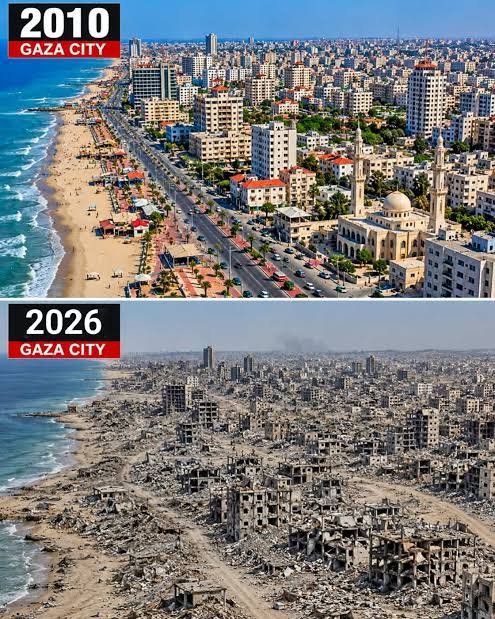
Beyond the destruction of homes, hospitals and essential infrastructure, the conflict has devastated agricultural land, freshwater resources, sanitation systems and coastal ecosystems.
A September 2025 assessment by the United Nations Environment Programme (UNEP) found that by May 2025, approximately 97.1 per cent of tree crops and 82.4 per cent of annual crops had been damaged. Large areas of shrubland and grassland had also been affected.
The consequences for food security are profound. Contaminated soil, damaged irrigation infrastructure and the destruction of agricultural livelihoods make the restoration of local food production exceptionally difficult.
The environmental crisis has continued into 2026. A September humanitarian situation report from the UN Office for the Coordination of Humanitarian Affairs (OCHA) highlighted the continuing collapse of wastewater infrastructure. All six wastewater treatment plants were non-operational, while approximately 70 per cent of sewage pumping stations were out of service.
More than 150,000 cubic metres of untreated wastewater were being discharged into the environment each day.
This creates serious risks for groundwater, public health and marine ecosystems, particularly in a densely populated territory with limited freshwater resources.
The destruction of buildings and infrastructure has also generated enormous quantities of rubble, potentially containing asbestos, hazardous chemicals, unexploded ordnance and other dangerous materials.
Reconstruction will therefore require much more than rebuilding homes and roads. Environmental assessments, safe waste removal, soil remediation and restoration of water systems must be central to Gaza’s recovery.
Ukraine: A toxic legacy across land and water
Russia’s full-scale invasion of Ukraine in February 2022 has inflicted extensive environmental damage across the country.
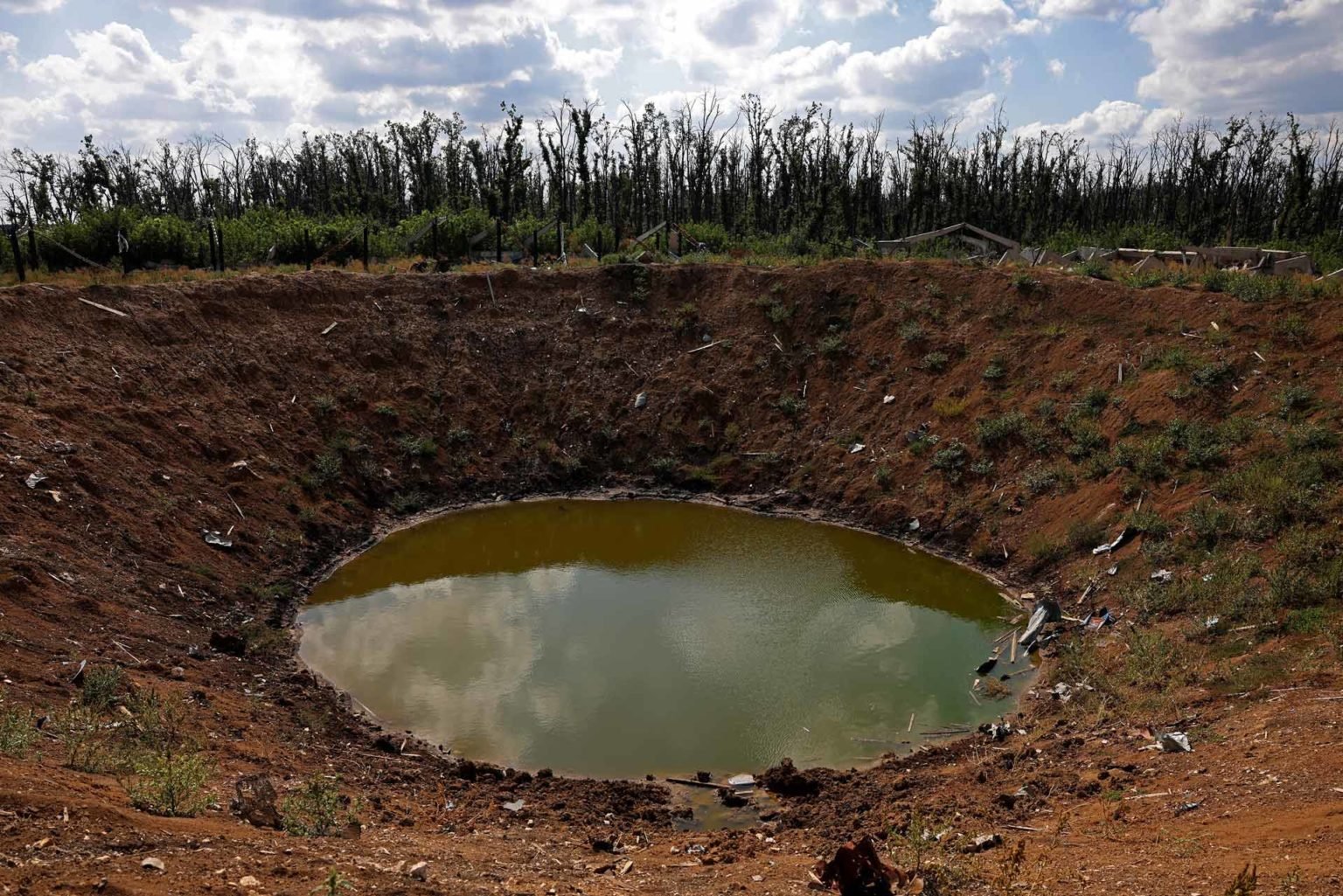
Image credit. CEOB.org
The battlefield extends beyond destroyed cities and military infrastructure. Agricultural land, forests, rivers, industrial facilities and protected natural areas have been affected by explosions, fires, flooding and contamination.
The destruction of the Kakhovka dam and hydroelectric power plant in June 2023 demonstrated how a single major incident can create cascading environmental consequences.
Flooding affected communities, agricultural land and ecosystems along the Dnipro River, while the loss of reservoir water created further challenges for water supplies, irrigation and biodiversity.
Landmines and unexploded ammunition present another long-term threat. Contaminated farmland cannot safely return to agricultural production until extensive clearance and environmental assessments are completed.
A joint World Bank, United Nations and European Union assessment published in February 2026 estimated Ukraine’s total reconstruction and recovery needs at US$587.7 billion over ten years, based on damage and losses assessed through December 2025.
That figure covers the wider national recovery challenge, not environmental remediation alone. Nevertheless, it demonstrates the extraordinary economic burden of rebuilding a country while environmental damage continues to accumulate.
Ukraine is also pursuing environmental accountability, including investigations into alleged ecocide and damage to critical infrastructure. The challenge is establishing evidence, attributing responsibility and ensuring environmental crimes do not disappear from consideration when peace negotiations eventually take place.
The invisible damage: Climate, biodiversity and human health
The environmental consequences of armed conflict extend far beyond the immediate destruction caused by weapons.
Military operations consume enormous quantities of fuel and energy. Fires at oil facilities, damaged chemical plants, industrial explosions and destroyed infrastructure release pollutants and greenhouse gases into the atmosphere.
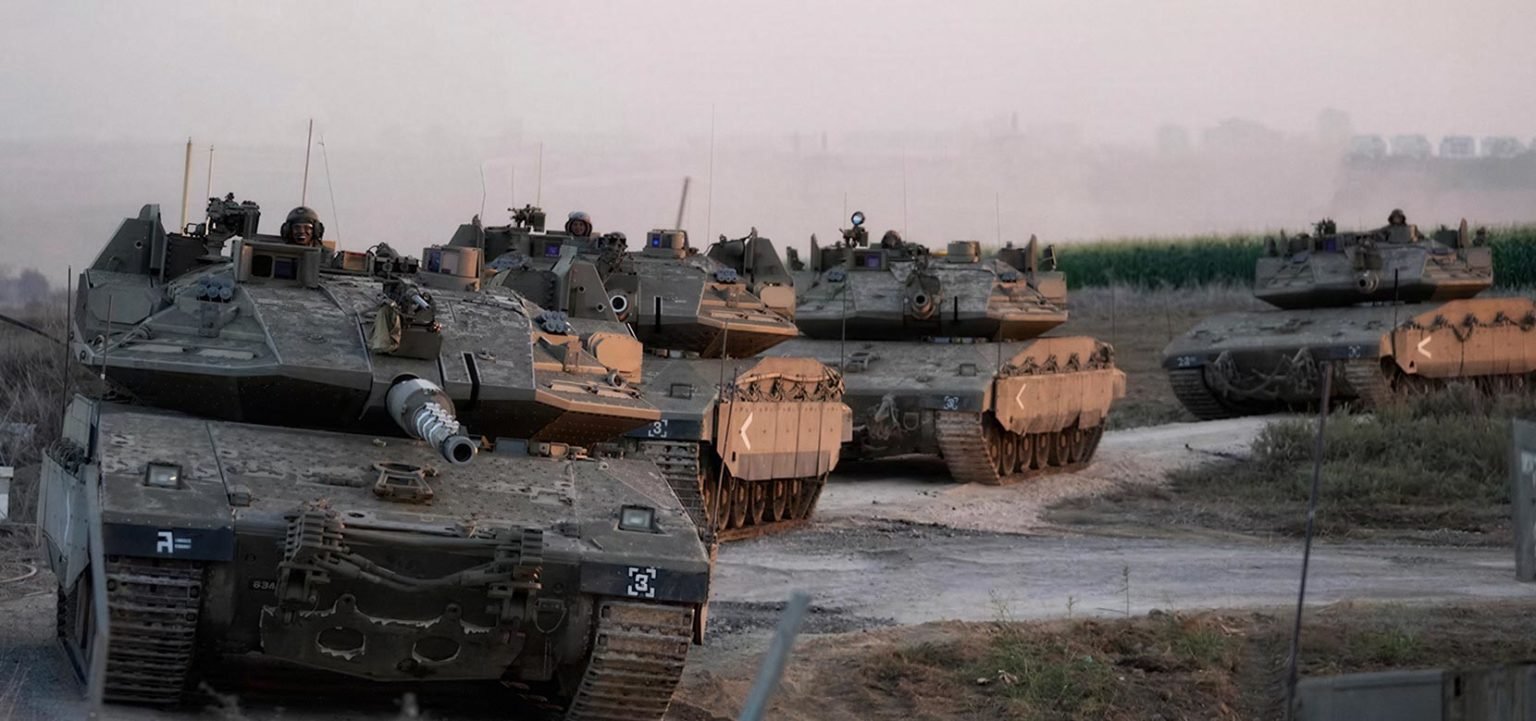
Image Credit: CEOB.org- military emissions in global carbon accounting
A study by Scientists for Global Responsibility and the Conflict and Environment Observatory estimates that militaries account for approximately 5.5 per cent of global greenhouse gas emissions.
The environmental footprint also includes military supply chains, weapons manufacturing, transport, fuel consumption and the enormous reconstruction requirements that follow conflict.
Meanwhile, ecosystems already under pressure from climate change are losing their capacity to recover.
Forests, wetlands, rivers and coastal environments provide essential services, including carbon storage, flood protection, water purification and food production. Their destruction can leave vulnerable communities even less equipped to withstand droughts, extreme heat and flooding.
International law: Who is accountable?
Environmental protection during armed conflict is recognised under international humanitarian law, but enforcement remains a significant challenge.
The Geneva Conventions and their additional protocols establish protections for civilians and the natural environment. Rules prohibit attacks expected to cause widespread, long-term and severe environmental damage, as well as environmental destruction that is excessive in relation to the anticipated military advantage.
In 2022, the UN General Assembly also adopted principles developed by the International Law Commission concerning the protection of the environment in relation to armed conflict.
Importantly, the International Committee of the Red Cross released additional implementation guidance in June 2026, outlining practical measures governments can take to incorporate environmental protection into military policies, training and operational planning.
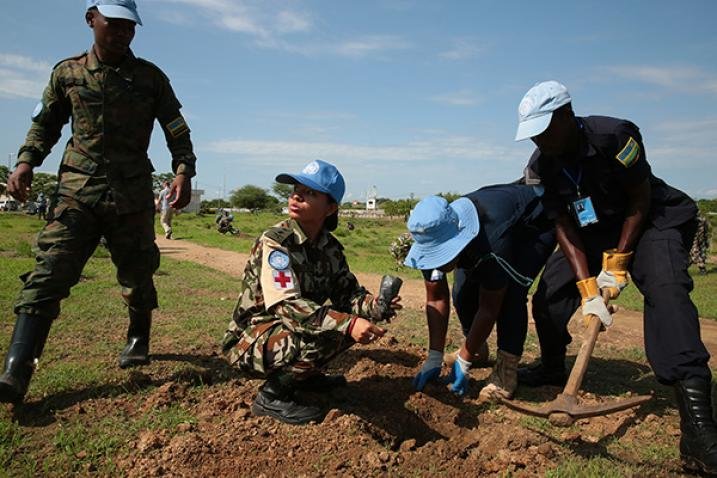
However, establishing responsibility for environmental destruction remains difficult. Investigations require access to damaged sites, scientific evidence, reliable monitoring and the ability to identify those responsible.
The concept of ecocide – serious and widespread environmental destruction – is gaining international attention, although it is not yet a standalone crime under the Rome Statute of the International Criminal Court.
Peace must include environmental recovery
The United Nations has warned that at least 40 per cent of internal conflicts over the past 60 years have been linked to the exploitation of natural resources. Conflicts involving natural resources have also been found to be twice as likely to relapse.
This is an important reminder that environmental security and human security cannot be separated.
Rebuilding after war must include restoring agricultural land, protecting water resources, rehabilitating forests and wetlands, safely removing hazardous waste and rebuilding resilient infrastructure.
International donors, development banks, governments and private investors also have a role in ensuring reconstruction does not simply replace destroyed infrastructure without addressing underlying environmental vulnerabilities.
For Gaza, Ukraine and Sudan, environmental recovery will require sustained international cooperation, scientific assessment and long-term financial commitments.
The environmental cost of war is not confined to the countries where fighting takes place. Pollution crosses borders, damaged ecosystems affect regional food and water security, and the climate consequences contribute to a global crisis.
As the world marks the International Day for Preventing the Exploitation of the Environment in War and Armed Conflict, the challenge is to recognise that peace cannot be measured simply by the absence of gunfire.
It must also mean clean water, safe soil, functioning ecosystems, restored livelihoods and the ability of future generations to live in a healthy environment.
There can be no lasting peace on a poisoned planet
Check out and sign up for any of our 6 Media Communications training modules: FNGN CLIMAX©MEDIA COMMS ACADEMY
Future Now Green News is an independent forward-thinking digital media platform dedicated to spotlighting the people, projects, and innovations driving the green & blue economy across Australia, Asia and Pacific region. We inform, inspire, and connect change-makers through thought leadership and solutions-focused storytelling in sustainability, clean energy, regenerative tourism, climate action, and future-ready industries.