
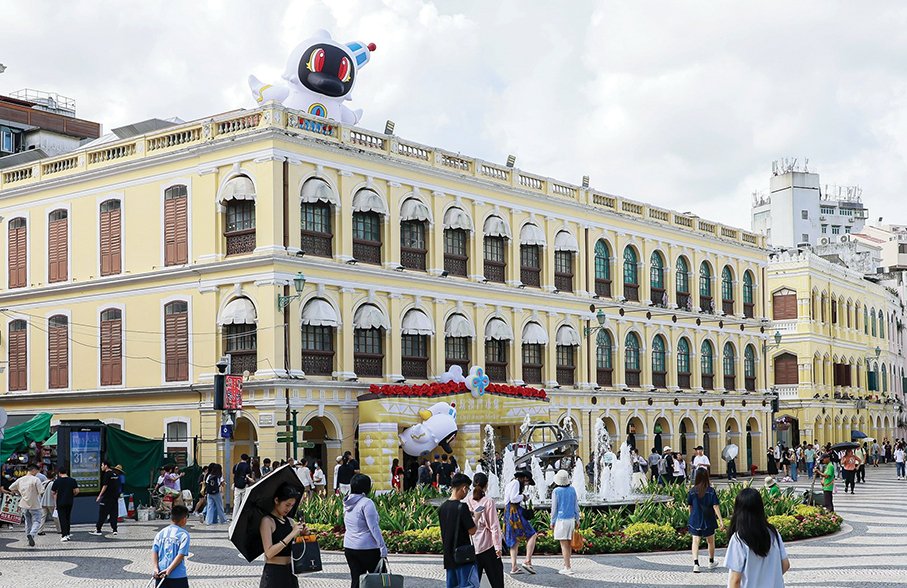

MACAU is entering a new phase of development. One that seeks to broaden its economy, deepen its links with Hengqin and the Greater Bay Area, and build a stronger role in tourism, technology, finance, culture and education.
Nearly three decades after Macau returned to Chinese sovereignty in 1999 – ending 442 years of Portuguese administration that started in 1557 – the city is transitioning into a sustainable economy that goes beyond its historic dependence on casino gaming.
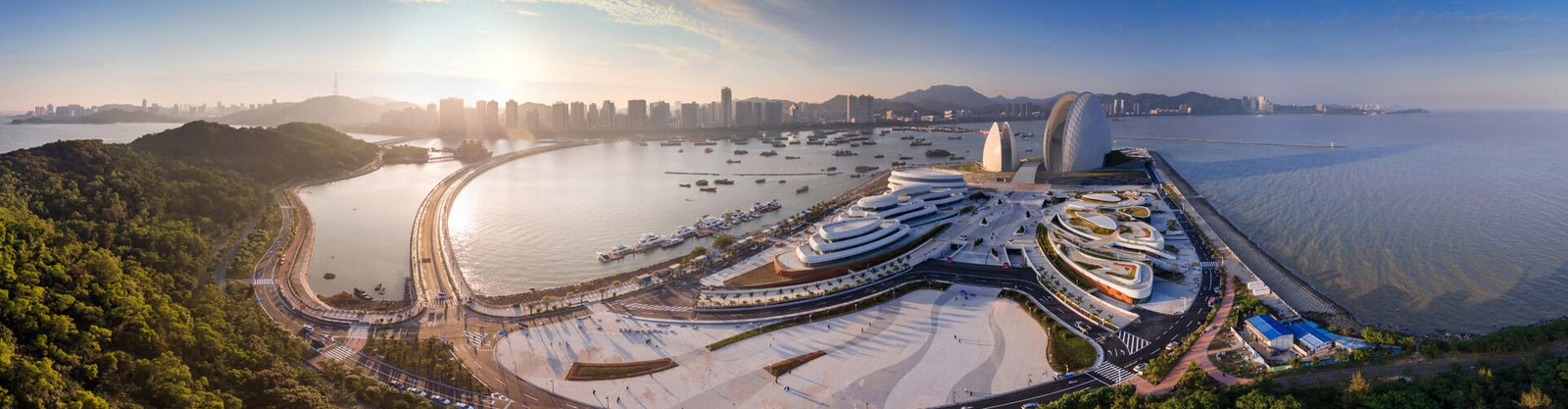
Macao is in a pivotal strategic position, with easy access to China’s two economic zones of Hengqin and Zhuhai, and links to the Greater Bay Area encompassing Macao, Hong Kong and Guangzhou, of 11 cities and regions, and 88 million consumers. It also offers the advantage of a local civil-law system governing contracts which is heavily influenced by Portuguese legal codes and can provide a more familiar and less complex legal environment for international collaboration, bilateral trade and investment. This further strengthens Macau’s deep historical and commercial connections with Portuguese-speaking countries.
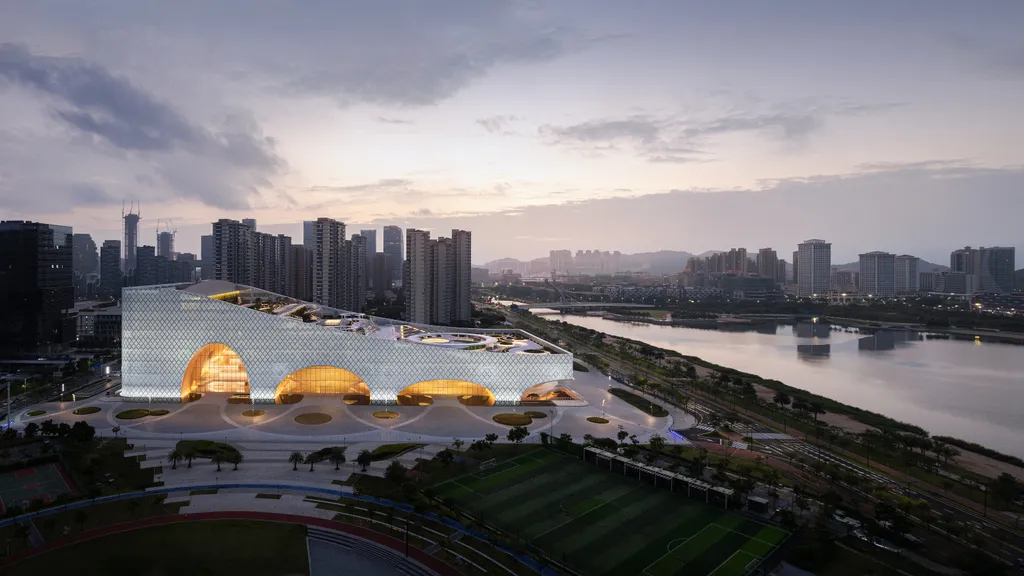
This combination of unique factors has become increasingly valuable for Macao to attract more international conferences, investment, tourism and business services — particularly in technology, healthcare, financial services, education, culture, sport and international business services.
The city’s future therefore may not be defined simply by how many tourists arrive.
It could increasingly be measured by how many companies, investors, researchers, students and international organisations use Macao as a gateway into the Greater Bay Area and China — and vice versa.
Macau’s Future Plan
The Macao Special Administrative Region Government this month formally released its Third Five-Year Plan for Economic and Social Development (2026–2030). Being ‘self-formulated’ rather than an external mandate, it followed a 40-day public consultation held in May/ June which aligns with China’s national 15th Five-Year Plan (2026–2030), but integrates Macau into the broader development of the Greater Bay Area.
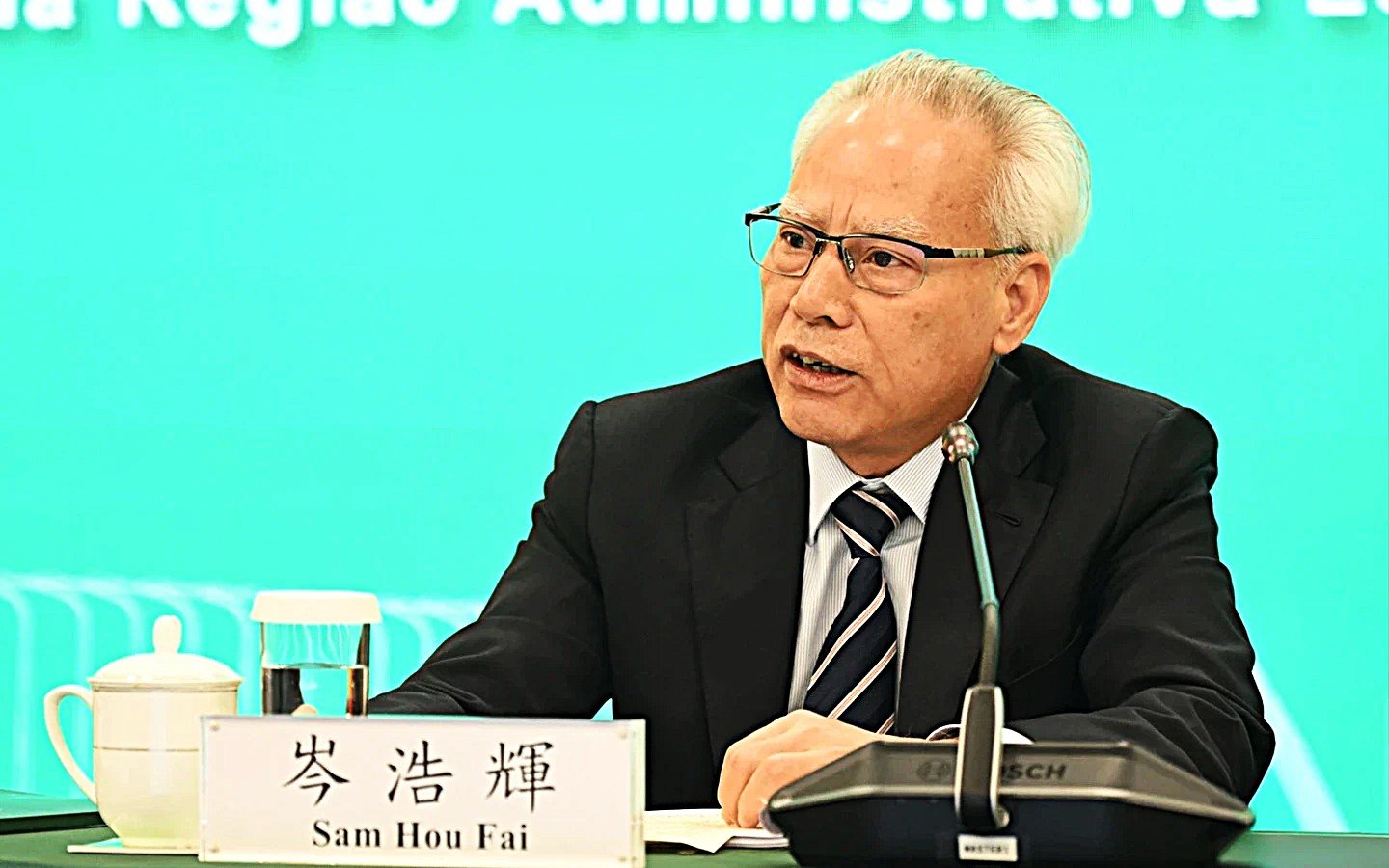
Chief Executive Sam Hou Fai described the plan as a roadmap for a new stage of high-quality development, built around four broad ambitions: a law-based, vibrant, cultural and prosperous Macao. Sam said,

“The plan is a comprehensive blueprint that fully reflects scientific rigour, has a forward-looking vision, and is practical in terms of feasibility.”
And Hengqin, features boldly, to accomodate these ambitious plans.
The Third Five-Year Plan places Hengqin at the centre of Macao’s diversification strategy
The Guangdong-Macao In-Depth Cooperation Zone in Hengqin, located in Zhuhai, was established in 2021 to provide Macao with additional physical and economic space for development.
Macao itself has limited land and a highly concentrated urban economy. Hengqin provides space for universities, research, health services, technology businesses and R&D, residential development and new industries that are difficult to accommodate within Macao’s compact urban footprint.
The objective is to move beyond cooperation between individual industries towards a more integrated economic and social environment — including industry, education, talent, healthcare, public services and infrastructure.
Beyond the casino economy
For decades, gaming and tourism have been the engines of Macau’s economy. The new plan does not attempt to dismantle that model. Instead, it seeks to build a much broader economic base around it.
The government is targeting a rise in the contribution of non-gaming industries to around 60 percent of GDP by 2030, compared with 56.7 percent in 2024.
The government intends to use four major projects and a government guidance fund to help attract investment and develop these sectors.
Cheong Chok Man, director of Macao’s Policy Research and Regional Development Bureau, has acknowledged that achieving the 60 percent target will require considerably greater diversification efforts.
Importantly, the policy is not framed as an attack on gaming. Cheong has stressed that the objective is to expand the non-gaming economy while allowing gaming to continue developing in a “lawful, orderly, regulated and healthy” manner.
That distinction matters.
Macao’s next economic model is therefore less about replacing casinos than about ensuring that casinos are no longer carrying such a disproportionate share of the economy.
A significant investment challenge
The financial commitment is substantial. Major projects associated with diversification are expected to involve approximately 130 billion patacas — around US$16.1 billion — in budgeted investment over the plan period.
For an economy whose GDP was approximately US$50 billion in 2025, the scale of planned investment is considerable. Lao Chi Ngai, president of the Macao Economic Association, described the commitment as significant for a relatively small economy. The real test, however, will be whether investment translates into businesses, jobs, intellectual property, international partnerships and sustainable sources of economic value.
Urban renewal and a smarter Macao
The new plan also recognises that economic transformation must be accompanied by improvements to the city itself. The city needs new infrastructure and modern urban spaces, but its historic character is one of its greatest tourism and cultural assets.
The challenge will be to modernise without erasing the qualities that make Macao distinctive particularly the conservation-led revitalisation around the UNESCO-listed Ruins of St Paul’s and redevelopment of older districts, including Iao Hon.
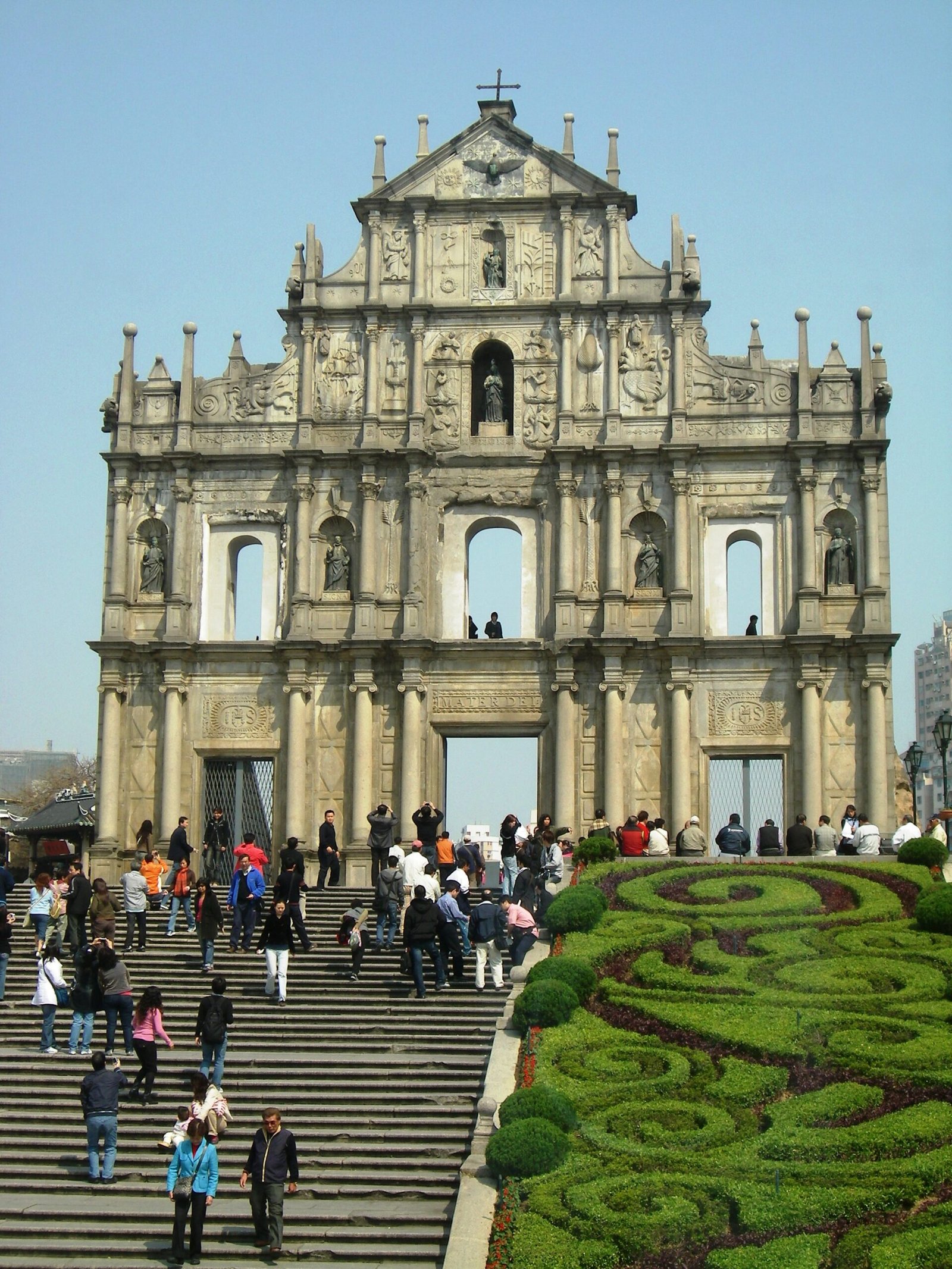
Urban renewal is one of the four major implementation priorities. The government intends to accelerate redevelopment, improve the legal framework for urban renewal and establish more sustainable mechanisms for funding and coordinating redevelopment.
A different Macao by 2030?
The Third Five-Year Plan represents an attempt to shift Macao from a highly successful but concentrated tourism-and-gaming economy towards a more diversified regional platform.
The transformation will not happen overnight.
The 60 percent non-gaming target itself is evidence of the scale of the challenge. Macao had previously aimed to reach that level by 2028; the latest plan now sets the target for 2030.
That delay should not necessarily be interpreted as failure. It may instead indicate a more pragmatic recognition of how difficult it is to build genuinely competitive industries beyond gaming.
The more important question is whether Macao can convert its advantages — capital, tourism infrastructure, international connectivity, cultural heritage, political stability and proximity to the Greater Bay Area — into a broader economic ecosystem.
The plan’s reception from the local business and community sectors has so far been positive.
Vong Kok Seng, deputy director-general of the Macao Chamber of Commerce, said the plan incorporated many suggestions from the business community. Un Sio Leng, director-general of the Women’s General Association of Macau, said it addressed issues important to residents, including employment, housing and retirement.
For Macao, the next five years will therefore be less about abandoning its past than building on it.
The casino resorts, tourism industry and international visitor economy will remain important. But alongside them, Macao wants to become a centre for health, finance, technology, education, culture, sport and international business.
The real measure of the Third Five-Year Plan will be whether, by 2030, Macao is still known primarily as a gaming destination, or increasingly recognised as a diversified Asian city with a much broader economic future.
Check out and sign up for any of our 6 Media Communications training modules: FNGN CLIMAX©MEDIA COMMS ACADEMY
Future Now Green News is an independent and forward-thinking digital media platform dedicated to spotlighting the people, projects, and innovations driving the green & blue economy across Australia, Asia and Pacific region. Our mission is to inform, inspire, and connect change-makers through thought leadership and solutions-focused storytelling in sustainability, clean energy, regenerative tourism, climate action, and future-ready industries.