
HOUSING • CLIMATE • LIVEABLE CITIES • SOCIAL INNOVATION
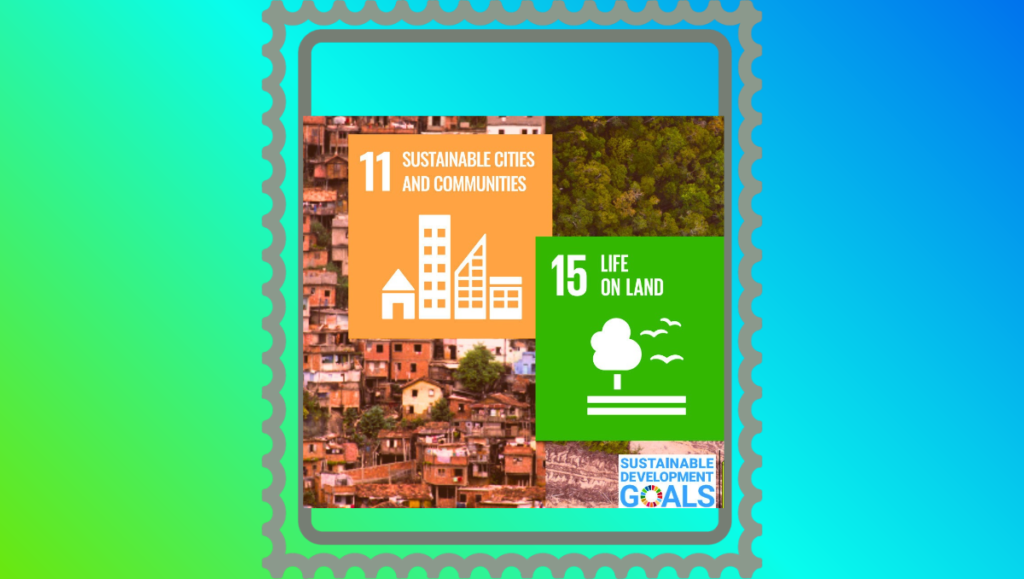
SDG 11 Sustainable Cities and Communities, Australia, Singapore, Japan, and Taiwan housing ownership models, Community Land Trusts (CLTs), 15-minute cities.
ADEQUATE HOUSING is a core commitment of the UN Sustainable Development Goals. Target 11.1, under SDG 11 (Sustainable Cities and Communities), calls on governments to ensure access for all to adequate, safe and affordable housing and basic services, and to upgrade slums, by 2030. un
With the deadline approaching, how can governments deliver enough homes while keeping a meaningful share affordable? Social housing, community land trusts, long-term public land leases and other models that lock in affordability across generations all have a part to play.
The Australian dream: Is it Past its use-by date?
For generations, home ownership in Australia – traditionally a house with a backyard – has meant financial security, independence and a place to grow old, and often an investment as well. Today it is an escalating burden for some, and out of reach for others, while renters face uncertainty and a growing number of people face homelessness.
With the housing crisis demanding urgent action, has the dream reached its use-by date? Is it time to build a new financial model that treats housing not only as a private asset, but as essential social infrastructure? Any reform would also need to reflect the diversity of Australian communities, including regional and remote areas, First Nations communities, people with disabilities, older residents, and households that need more space or different kinds of support.
The Australian Government Housing Australia Future Fund (HAFF) has committed to delivering 55,000 social and affordable homes by mid-2029. Even after the 55,000-home commitment, Australia is likely still short by well over 100,000 social homes on the waiting list alone, and by around 300,000 or more on broader measures of need.
For many Australians, the family home is their principal asset. It can provide financial security in retirement, a buffer against rising rents and something to pass on to children. A system that makes long-term renting the default without offering equivalent security could leave people worse off. Renters who reach retirement with limited savings and no property face very different financial circumstances from mortgage-free homeowners.
Community Land Trusts (CLTs) Could be the answer: Government Defence military properties are the target
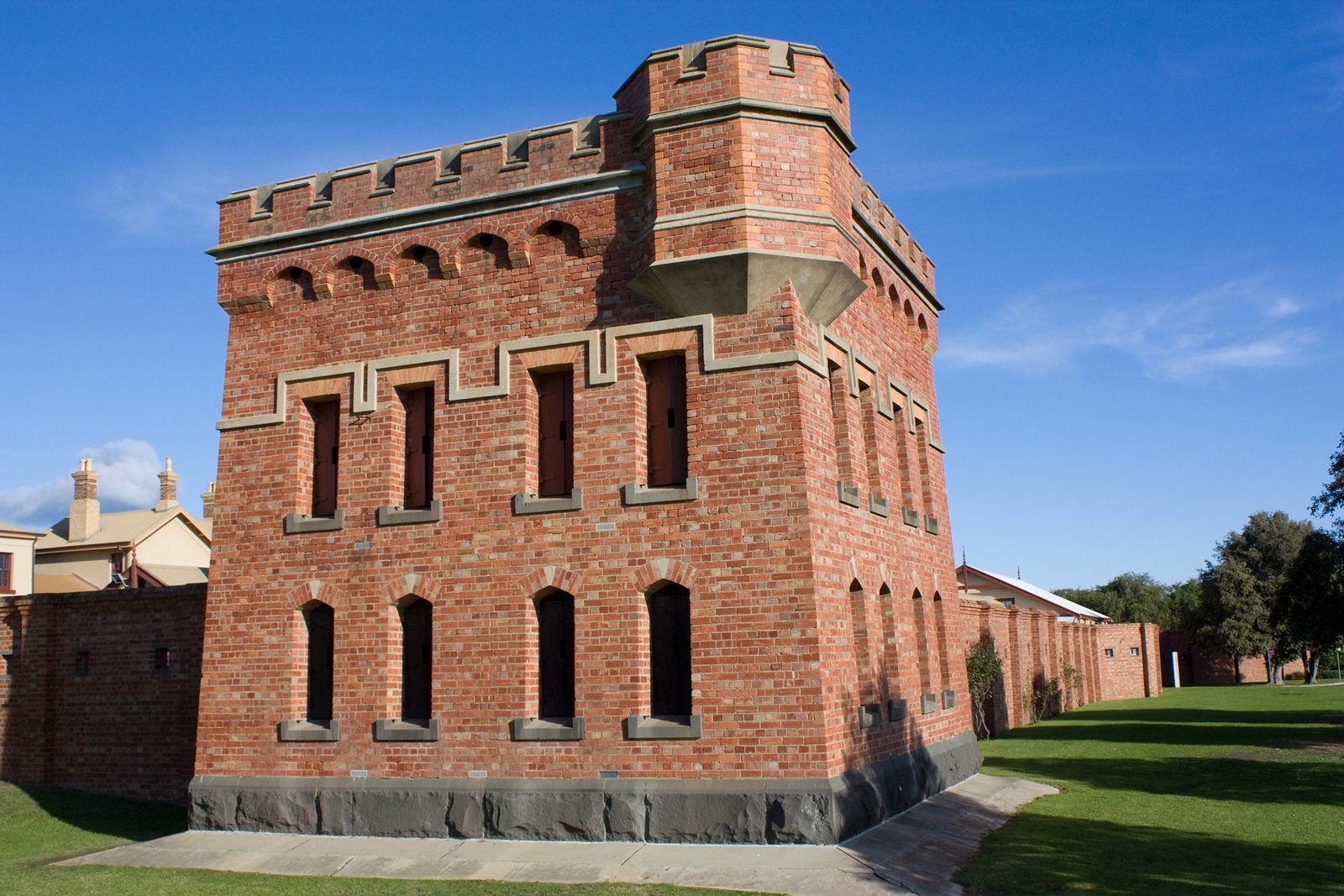
Image: Built in 1860 Queenscliff Forte, Bellarine Peninsular, Victoria.
Following the release of the Defence Estate Audit, the federal government is divesting 68 surplus and underutilised military properties (including 64 full divestments and 3 partial divestments) to raise up to $3 billion. While the federal government aims to generate budget revenue, states are assessing these sites for housing, social housing, and urban regeneration.
Surplus defence and Commonwealth properties can theoretically be passed over or transferred to Community Land Trusts (CLTs), though it is not yet standard practice in Australia.
Current Framework & Proposals
- Disposal Policy: The Department of Defence manages millions of hectares of real estate and disposes of surplus or underused properties under the Land Acquisition Act 1989 and whole-of-government rationalisation plans, typically selling them at full open market value to developers or via state/federal programs.
- Advocacy for Reform: Housing advocates like Grounded CLT have formally proposed a federal Community Opportunity to Purchase Act. This framework would introduce a mandatory first right of refusal and a 180-day public notice period for registered CLTs and perpetual affordability providers on surplus Commonwealth and defence land sales.
- Alternative Models: State-led redevelopment models (such as Renewal SA’s Bowden such as Renewal SA Bowden or Hunter and Central Coast Development Corporation, acting as master developer) currently see governments retain custody of site master-planning to deliver mixed affordable housing and community spaces before selling smaller parcels to private builders or community housing providers.
The real prize is to keep land in public or community hands, lower housing costs and lock in affordability for generations — rather than surrendering publicly created value to private property owners.
Could a more diverse housing system, including cooperative living and the 15-minute city – deliver affordability, stronger communities and lower environmental impact, without sacrificing the dream of home ownership?
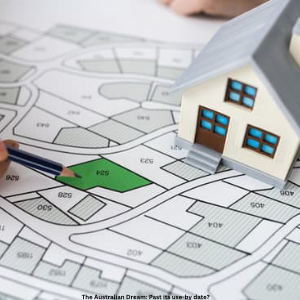
It could mean a mix of long-term rental housing, community housing, housing cooperatives, community land trusts, intergenerational communities and purpose-built neighbourhoods where residents enjoy security without taking on a 30-year mortgage.
For some households, buying would remain the right choice. For others, especially younger workers, single people, older Australians and those who move frequently for work, secure non-ownership options could provide an alternative to excessive housing costs.
What could Australia Learn from our Asian Neighbours in Tackling Housing
Asia is an important place to examine because its cities have developed different approaches to land, housing density, public investment and multigenerational living. However, these systems are not interchangeable, and none should be presented as a ready-made answer for Australia.
SINGAPORE: Public housing at scale
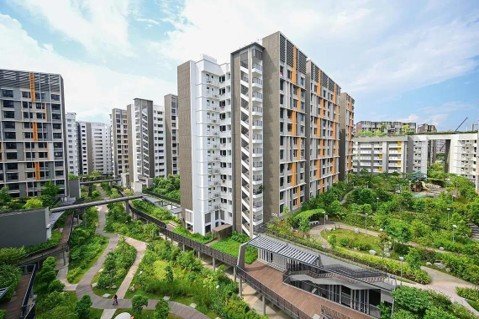
Singapore’s population is approximately 6 mil, of which around three-quarters of Singapore’s resident population at 4.3 mil lived in Housing and Development Board flats in 2025. This has enabled eligible households to purchase flats on long leases, typically 99 years. Buyers hold ownership rights for the lease period; this is not a pure non-ownership model – its housing system strongly promotes ownership, demonstrating how governments can play a central role in housing provision rather than leaving the market to determine almost every outcome.
The broader lesson is the scale of public involvement in land, planning and housing supply. Singapore combines public provision with home ownership, eligibility rules and a distinctive land system.
What Australia could explore: more public and community-led housing, long-term land planning, mixed-income neighbourhoods and housing designed around everyday needs — while carefully considering how Singapore’s financing, eligibility and land arrangements differ from Australia’s.
TAIWAN: Social housing on public land
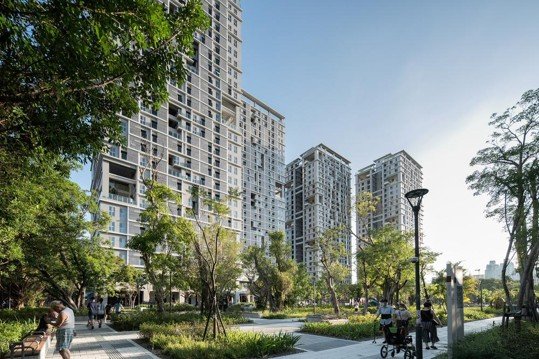
Taiwan’s Housing Act explicitly provides for social housing to be built directly by public authorities, developed jointly with other parties, or delivered through arrangements that grant private participants superficies rights — rights to use land and develop buildings without necessarily owning the underlying land. Public land or buildings can also be made available for social housing under specified arrangements.
Lesson for Australia: this is particularly relevant to surplus Commonwealth and Defence land. Instead of selling every suitable site outright, governments could retain the land and grant long-term development rights conditional on delivering affordable housing.
This is not automatically a CLT, but it demonstrates a legal mechanism that can help separate land ownership from the provision of homes.
SOUTH KOREA: Rent as a long-term home
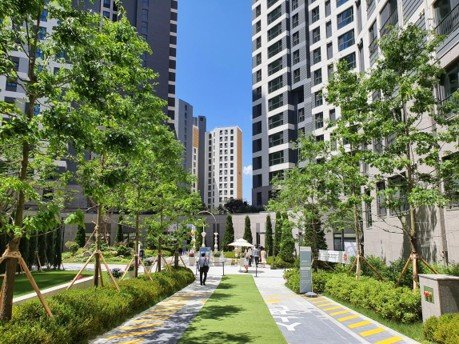
South Korea has 51.6 million people, 82.2% of them living in cities, including 9.2 million in Seoul. Housing pressure there is intense, and the state has responded with one of Asia’s largest public rental systems.
Permanent rental housing began in 1989, and has since expanded into several types, including national rental, “Happy Housing” and long-term lease housing. A 50-year public rental program followed in 1993. The Korea Land and Housing Corporation (LH) dominates delivery, with roughly three-quarters of public rental units as of 2020, and different programs target different income groups. The lowest-income households get permanent or 50-year tenancies at a fraction of market rent, while 30-year national rental units serve households higher up the income scale.
The tenure is also affordable in practice. An LH research survey found public rents 30–70% below comparable private rentals, with permanent rentals at about 15% of surrounding market rates.
JAPAN: Rethink the use of existing homes
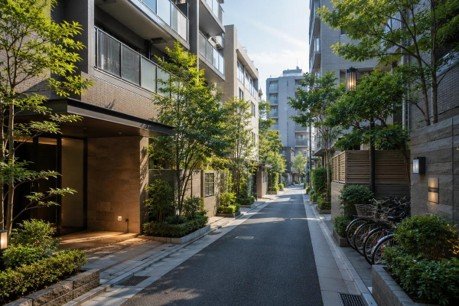
Japan offers a different perspective: housing policy is not just about constructing more buildings, but also about what happens to existing homes as populations and household needs change.
Japan has a substantial vacant-home challenge, with government measures addressing unused properties and encouraging better management and use of existing housing stock.
This raises a question for Australia: could suitable underused houses, older apartment buildings and vacant commercial properties play a larger role in providing affordable accommodation?
What Australia could explore: adaptive reuse, renovation rather than demolition where appropriate, and partnerships that bring suitable vacant properties into long-term affordable rental programs.
Not every vacant property is habitable or located where people need to live. Renovation, location, ownership and infrastructure costs still matter.
Shared and cooperative living
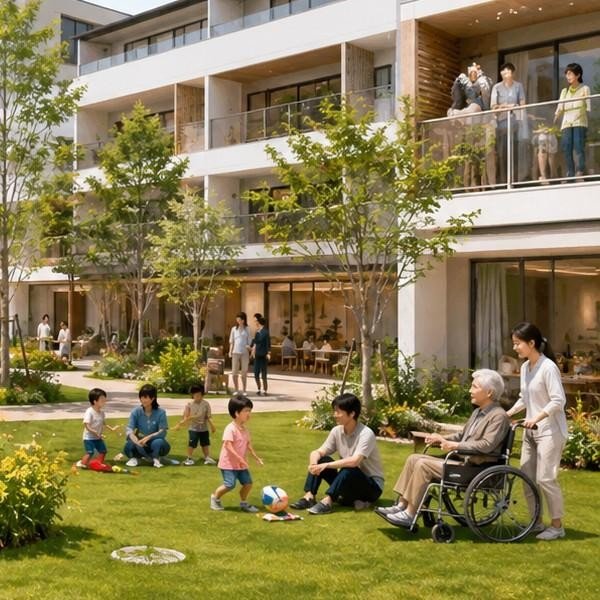
Shared housing and cooperative arrangements offer another way to separate a person’s right to live somewhere from the need to purchase an entire property.
Residents may have private bedrooms or apartments alongside shared gardens, kitchens, laundry facilities or community rooms. Depending on the model, a cooperative may be owned by its members or operated by a separate organisation.
What Australia could explore: professionally managed shared housing, accessible homes for older people, student and worker cooperatives, and communities that enable people to maintain independence while reducing isolation.
The critical safeguards are privacy, clear occupancy rights, good management and protection against exploitation. Communal living should be a choice, not a substitute for adequate private housing.
The lesson from Asia is not that Australians should adopt one foreign housing system. It is that housing can be organised in different ways, with different balances between public investment, private ownership, long-term leases and shared resources.
THE 15-MINUTE CITY: The missing link in housing
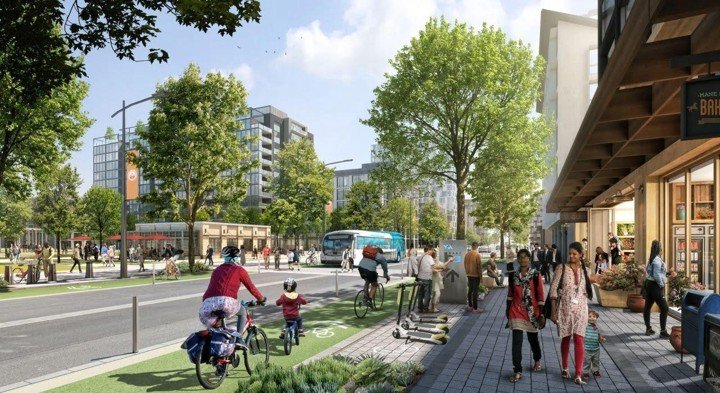
Planning for 15-minute neighbourhoods linking housing development with public transport, employment, healthcare, schools, shops, parks and community facilities. A 15-minute neighbourhood must be accessible to people with disabilities, suitable for older residents and affordable to the people it is intended to serve. And it needs to be built around existing communities, not at their expense
Housing affordability is often measured by purchase prices, rents and mortgage repayments. Yet the cost of a home also includes the expense of getting to work, travelling to school, buying groceries and accessing health services.
A cheaper home on the urban fringe may mean longer car journeys, higher fuel costs and hours lost commuting. A well-located home near public transport, employment, shops, healthcare and green space can offer a different kind of affordability.
This is where the 15-minute city concept becomes relevant.
The idea is to design neighbourhoods where many everyday needs can be reached within about 15 minutes on foot or by bicycle. It is not a requirement to remain within a restricted area. It is a planning approach that brings services, work opportunities and public spaces closer to where people live.
The OECD identifies compact, accessible urban development as one approach to improving wellbeing and supporting more sustainable mobility.
Check out and sign up for any of our 6 Media Communications training modules: FNGN CLIMAX©MEDIA COMMS ACADEMY
Future Now Green News is an independent forward-thinking digital media platform dedicated to spotlighting the people, projects, and innovations driving the green & blue economy across Australia, Asia and Pacific region. We inform, inspire, and connect change-makers through thought leadership and solutions-focused storytelling in sustainability, clean energy, regenerative tourism, climate action, and future-ready industries.