


Wealthy Americans are on the move again. Not permanently out of the country but as a strategy built around diversification, resilience and long-term security.
As Citi Wealth’s Darlene Patterson told Fortune last week, the request she’s hearing from US clients for the first time in her career is simple: book my assets somewhere else. Hong Kong and Singapore are absorbing much of that flow. But a smaller, quieter contest is playing out closer to home for Australia — and right now, Australia is losing it to its neighbour across the Tasman- New Zealand.
Optionality Has Become the New Insurance Policy

We’re seeing wealthy families think about geography the same way they think about investment portfolios,” says Dominic Volek, Group Head of Private Clients at Henley & Partners, one of the world’s leading investment migration advisory firms.
The world’s wealthiest individuals are increasingly seeking optionality. They’re diversifying where they live, where they invest, where they educate their children and where they hold assets.
In April 2025, New Zealand relaunched its Active Investor Plus (AIP) visa with lower thresholds — NZ$5 million for three years in the higher-risk Growth category, NZ$10 million over five years in the more conservative Balanced category — and stripped out the friction that had strangled the old scheme: no English-language test, and physical presence cut to just 21 days across three years for Growth applicants.
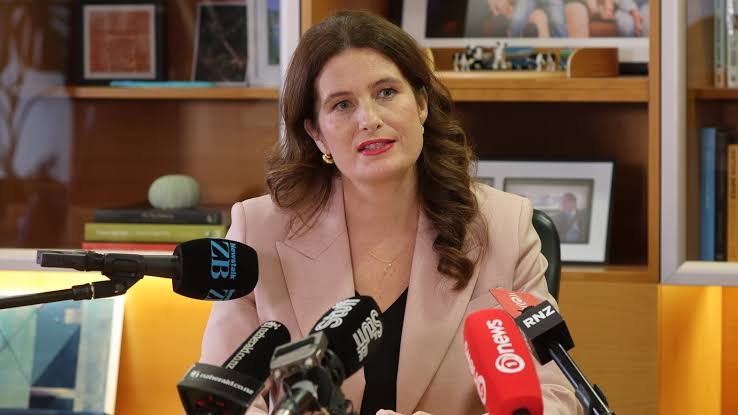
Finance and Economic Growth Minister Nicola Willis was blunt about why the previous version failed: migrants had invested just $70 million since 2022, against $2.2 billion in the two years before Covid.
The reform worked. By May 2026, Immigration New Zealand had received 730 applications representing nearly 2,400 people, with a potential pipeline of NZ$4.26 billion — against a mere 116 applications and NZ$70 million under the scheme it replaced. Immigration Minister Erica Stanford called the numbers proof the country is “open for business,” with investors bringing “not just capital, but global experience, expertise, and networks.”
The detail that should matter most to Canberra: the single largest source of applicants isn’t China, isn’t Hong Kong, isn’t Europe — it’s the United States, with 222 applications, more than double the next-largest source.
New Zealand has built a faster, cheaper, English-test-free front door to Asia-Pacific precisely as wealthy Americans started looking for one. James Hall of ANZ Migrate has argued Australia’s delay in reintroducing an investment visa has simply let other countries “attract wealthy migrants” in the meantime — pointing directly at New Zealand as the beneficiary.
There’s a sharper twist: Australia may inherent USA/NZ citizens, without the benefits
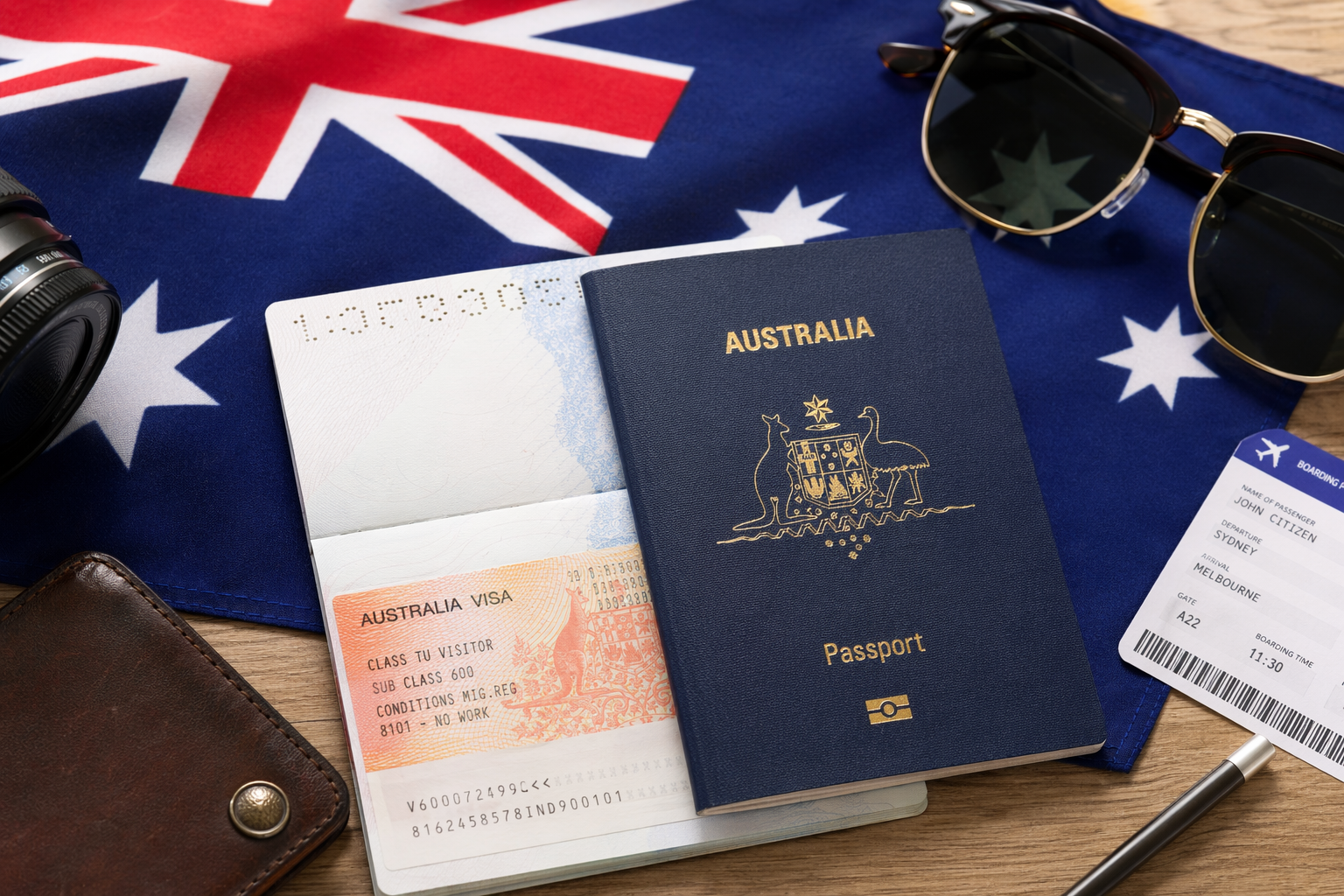
Under the Trans-Tasman Travel Arrangement, a New Zealand resident can live, work and access healthcare in Australia indefinitely, no separate visa required. An American investor who books NZ$5–10 million for a Growth-category AIP visa — spending as little as three weeks a year in the country — walks away with a practical, if informal, right to eventually settle in Australia too. New Zealand banks the headline investment figure, while Australia needs to find more beds.
Australia’s SIV Loss. Nothing has replaced it.
The story starts with what Australia gave up. From its 2012 launch to June 2020, the Significant Investor Visa (SIV) — the closest thing Australia ever had to a golden visa, requiring a minimum $5 million investment for a pathway to permanent residency — granted 2,349 visas and drew A$11.745 billion into complying Australian investments, according to Department of Home Affairs figures. The money was real.
The economics behind it, on the government’s own review, weren’t compelling enough to save it: the Business Innovation and Investment Program (BIIP) review found business and investor migrants generated significantly lower lifetime fiscal benefits than Australia’s skilled migration program, with some BIIP streams delivering a negative net fiscal contribution altogether.
Treasury modelling suggested swapping investment visas for additional skilled migrants would improve fiscal outcomes by roughly A$3 billion over the following decade — a finding that shaped the program’s permanent closure to new applicants in July 2024.
Immigration Minister Tony Burke has made no secret of his view since. “If you believe in the integrity of the program, you don’t reintroduce cash for visas,” he said, echoing the Productivity Commission’s own conclusion that there was simply “no case for retaining this category of permanent visa.”
The original SIV’s real flaw wasn’t the $5 million price tag — it was where that money went
Much of it sat in prescribed, largely passive investment vehicles rather than operating businesses, letting investors clear the threshold without ever building anything that employed Australians.
Today’s wave of mobile American wealth looks different for Australia’s Green gain
Family offices setting up regional headquarters, capital chasing AI and technology plays, climate-tech and renewable energy funding, venture investment, and interest in critical minerals processing as supply chains reroute around China. That is a different customer to the one the old SIV was built for.
New Zealand banked the headline investment number. The bigger prize of active capital that builds something, may still be Australia’s to design for, if it moves before the moment passes.
Sources: Nick Lichtenberg, Fortune (11 July 2026); SBS News; IMI Daily; Immigration New Zealand; Beehive.govt.nz (NZ Government); b2bnews.co.nz.
Check out and signup for any of our 6 Media Communications training programs: FNGN CLIMAX©MEDIA COMMS ACADEMY
Future Now Green News is a forward-thinking media platform dedicated to spotlighting the people, projects, and innovations driving the green & blue economy across Australia, Asia and Pacific region. Our mission is to inform, inspire, and connect changemakers through thought leadership and solutions-focused storytelling in sustainability, clean energy, regenerative tourism, climate action, and future-ready industries.