


INDONESIA is often viewed through the lens of tourism, particularly Bali. But beyond the beaches lies one of Southeast Asia’s fastest-evolving business environments, where regulation, sustainability and local partnerships are reshaping opportunities for domestic entrepreneurs and foreign investors alike.
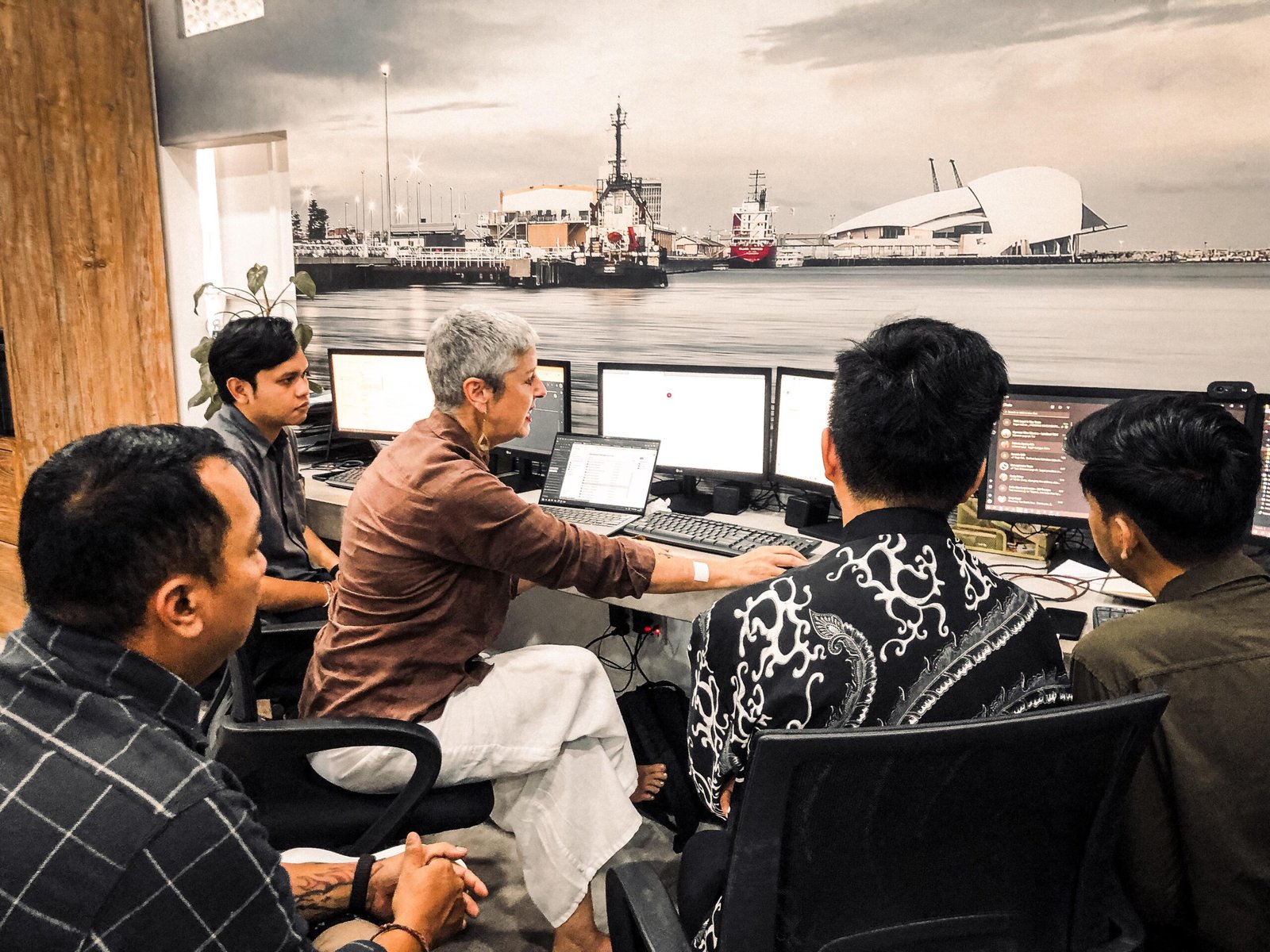
Few understand that landscape better than Tracy Wilkinson, founder of TraceWorthy Consulting in Bali. Four decades of business experience with three in Australia and more than a decade in Indonesia, Tracy has seen the region’s transformation firsthand – advising businesses on legal structures, compliance, governance, investment and commercial strategy across Indonesia and Bali Island.
In this exclusive interview with Future Now Green News, Tracy shares why Indonesia’s biggest opportunities lie beyond tourism, how sustainability is becoming a commercial imperative, and why success ultimately depends on understanding both the law and the culture behind it.
Building Businesses That Matter
FN: You’ve advised entrepreneurs across Indonesia. Which project has been the most rewarding?
One project stays with me because it demonstrates how the right business model can create lasting social impact.
Two young Indonesian developers approached us with an idea for a mobile application that would help mothers measure their babies so childhood stunting could be identified early. Indonesia has made remarkable progress reducing stunting: for children under five it is down from 27.7 per cent in 2019, to 19.8 per cent in 2024. The target is 14.2 per cent by 2029. But early detection remains essential because intervention during the first 1,000 days of life can permanently improve a child’s health and development.
The challenge wasn’t the technology.
It was the business model.
The developers wanted the application to be free, but without sustainable income there would never be enough funding to maintain and improve it over time.
Rather than providing cash, we helped redesign the commercial model. Carefully selected advertisers—including baby product companies operating within strict ethical guidelines—pre-funded the platform, allowing it to operate sustainably while protecting the integrity of maternal health messaging.
The Indonesian Government later supported its rollout, and the programme evolved beyond anything we had anticipated. Egg farmers became part of the initiative by supplying nutritious food to breastfeeding mothers, strengthening both maternal and infant health while supporting local micro-enterprises.
Today, midwives encourage mothers to use the application, with growth data flowing directly to community health clinics to improve planning and early intervention.
You’re not simply helping build a business. You are helping build something that continues creating value long after you’ve stepped away.
For me, that’s what meaningful consulting looks like.
Indonesia’s Changing Investment Landscape
FN: What are you working on today, and how is Indonesia’s business environment changing?
TraceWorthy Consulting advises both Indonesian entrepreneurs and foreign investors on strategy, legal structures, governance, finance, compliance and immigration.
Indonesia’s regulatory landscape is changing rapidly.
Much of that change is designed to protect micro, small and medium enterprises—the backbone of the Indonesian economy—from inappropriate competition by larger businesses. At the same time, regulators are taking a much closer look at foreign investment structures, particularly in sectors where overseas participation is restricted.
That has fundamentally changed our work.
We’re increasingly helping businesses regularise existing operations, restructure investments or, where necessary, exit arrangements that no longer comply with current regulations. Many foreign-owned property and accommodation businesses are now discovering that structures established several years ago simply don’t meet today’s requirements.
One current client is developing an innovative senior living community designed specifically for Indonesia’s ageing population. Our role extends well beyond compliance. We’re helping design the commercial model, governance framework, ownership structures, legal agreements and long-term expansion strategy.
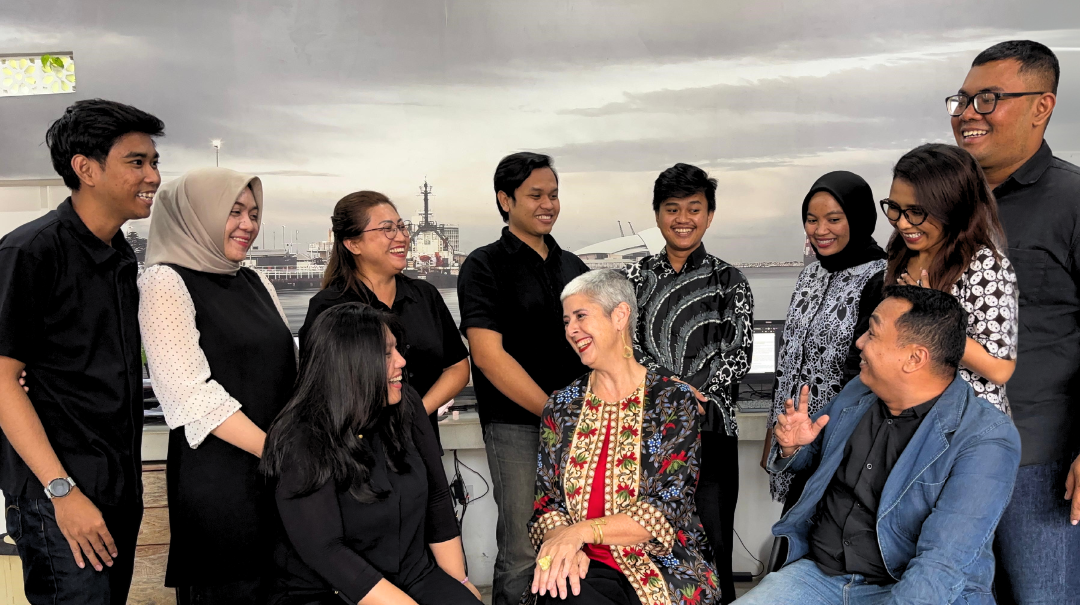
That’s the kind of work we enjoy most.
We provide the legal and commercial foundations that allow entrepreneurs to focus on solving much bigger societal challenges.
Lessons in Resilience
FN: What’s been your greatest challenge doing business in Indonesia?
People often imagine life in Bali as sunsets and cocktails.
The reality is very different.
Doing business here requires discipline, resilience and an unwavering commitment to compliance.
Several years ago, my company became the subject of an investigation triggered through a competitor. Although we had always operated within the law, I ultimately found myself deported and temporarily banned from re-entering Indonesia.
It was one of the most difficult periods of my life.
Eighty per cent of our clients left almost overnight. Revenue collapsed, yet I had made a commitment that none of my staff would lose their jobs because of what had happened.
Instead of dwelling on the situation, I focused on rebuilding.
When I eventually returned to Bali, we rebuilt the company, regained our clients and emerged stronger than before.
That experience reinforced something I now tell every investor.
“Indonesia rewards patience, integrity and adaptability. Success isn’t simply about understanding the regulations; it’s about respecting the culture, building trusted relationships and recognising that resilience is often your greatest competitive advantage”.
Beyond Tourism: Where the Opportunities Really Are
FN: Many people associate Bali with tourism. Are investors overlooking bigger opportunities?
Absolutely.
Most foreign investors first experience Indonesia as tourists, so naturally they invest in tourism. The problem is that Bali is only one small part of an economy with more than 280 million people.
Indonesia offers enormous opportunities in healthcare, education, manufacturing, agriculture, waste management, technology and infrastructure, yet many investors never look beyond villas, cafés and hospitality.
Our focus has always been Indonesia rather than simply Bali.
We actively encourage clients to explore sectors where investment creates lasting economic value and where local communities benefit directly.
Partnerships between foreign investors and Indonesian enterprises can be incredibly successful, but only when both sides understand each other’s expectations, culture and regulatory responsibilities.
One organisation I greatly admire is Sungai Watch.
Its founders recognised that relying solely on charitable donations would always limit impact. By transforming recovered plastic into commercial products, they’ve built a circular business model where revenue helps fund environmental restoration.
That’s the future.
Businesses capable of generating both commercial returns and measurable environmental outcomes will increasingly define Indonesia’s next phase of growth.
Why Sustainability Is Becoming Good Business
FN: How are sustainability policies creating new business opportunities?
Indonesia’s sustainability agenda is far more ambitious than many people outside the country realise.
Bali has introduced some of Indonesia’s strongest policies on plastic reduction, waste separation, recycling and renewable energy. Businesses are now expected to manage waste responsibly, report their activities and adopt more sustainable operating practices – otherwise face high fines and public shaming.
The challenge isn’t the legislation. It’s the infrastructure.
Waste management systems are still developing, creating a significant gap between policy ambitions and operational reality. From a commercial perspective, that’s where opportunity exists.
Every new compliance requirement creates demand for better recycling systems, organic waste processing, alternative packaging, reporting technology and circular economy services. Waste is no longer simply something to dispose of. It’s becoming a valuable raw material. Indonesia’s most innovative entrepreneurs understand that.
Foreign investors bring capital and technology while Indonesian entrepreneurs contribute local knowledge, regulatory understanding and market insight. The businesses that combine those strengths will be the ones that succeed.
Personally, I’d invest in those businesses long before I’d build another beach club.
Editor’s Note
As Indonesia accelerates its transition towards a more sustainable, innovation-driven economy, businesses capable of combining commercial discipline with environmental and social impact are likely to be among the country’s strongest long-term performers. As Tracy Wilkinson’s experience demonstrates, success in Indonesia is rarely about finding shortcuts—it’s about understanding the market, respecting the regulations and building partnerships that create value for everyone involved.
MORE ABOUT TRACY’s SERVICES >> www.traceworthy.com
Check out and signup for any of our 6 Media Communications training programs: FNGN CLIMAX©MEDIA COMMS ACADEMY
Future Now Green News is a forward-thinking media platform dedicated to spotlighting the people, projects, and innovations driving the green & blue economy across Australia, Asia and Pacific region. Our mission is to inform, inspire, and connect changemakers through thought leadership and solutions-focused storytelling in sustainability, clean energy, regenerative tourism, climate action, and future-ready industries.